 Arrival airport
 Airport drive
 Reservation demand
 Best season
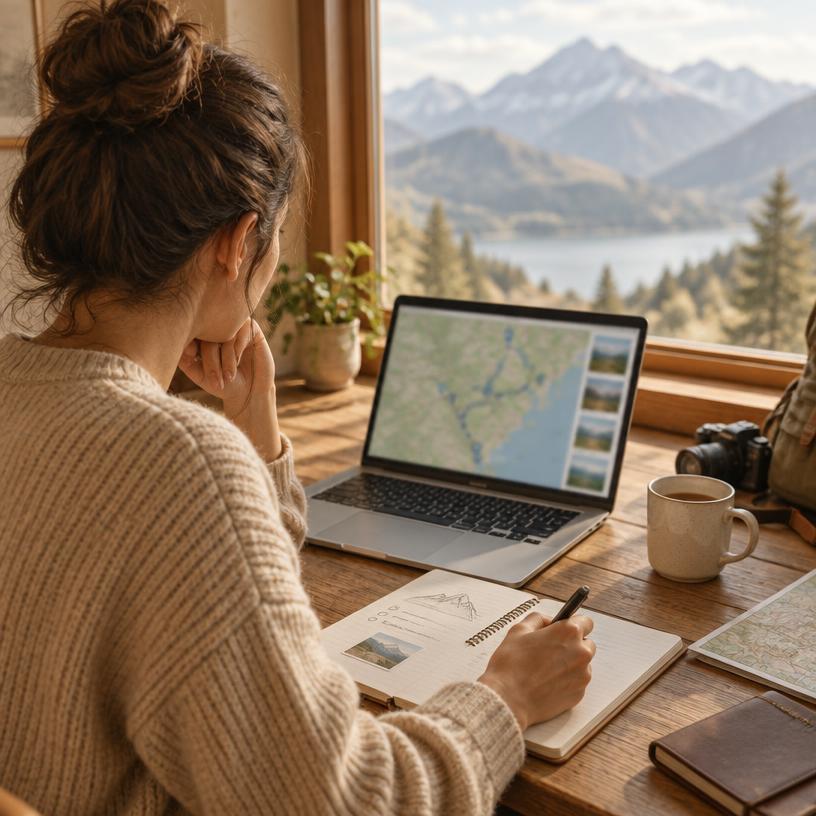
The Outer Banks rewards a mix of beach time and short, purposeful outings rather than a race between every landmark. You can walk broad dunes, explore aviation history, watch shorebirds, or paddle sheltered water while keeping one town as your base. For a two- to four-day visit, choose activities close together and leave room for wind, traffic, and the simple pleasure of an unplanned hour beside the ocean.
 Step 1
Start with Beaches and Lighthouse Landscapes
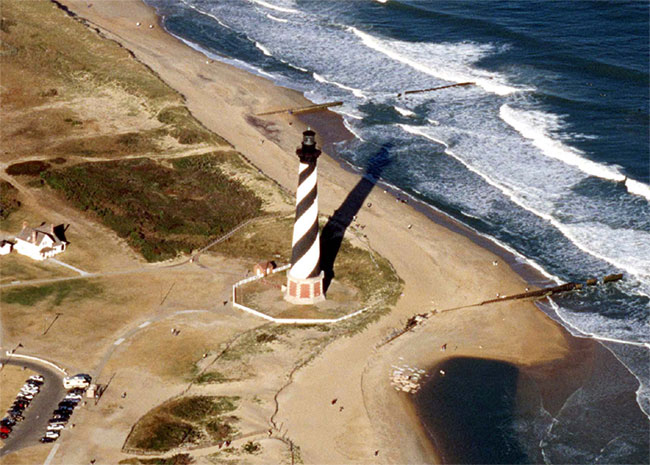
Make Cape Hatteras National Seashore a centerpiece if you want wide beaches and a less built-up coastal landscape. Bodie Island Lighthouse pairs naturally with a drive south from Nags Head, while the Cape Hatteras Lighthouse grounds provide a landmark stop near Buxton. Farther north, Currituck Beach Lighthouse fits a Corolla-focused day.
Treat lighthouse climbing as an optional activity, not a guaranteed part of the trip: access, restoration work, seasonal schedules, and ticket requirements can change. Check the relevant official site before going. Ordinary beach visits generally do not need a general entry permit, but activities such as off-road driving have separate permit requirements and access restrictions.
 Step 2
Walk the Dunes and Drive NC Highway 12
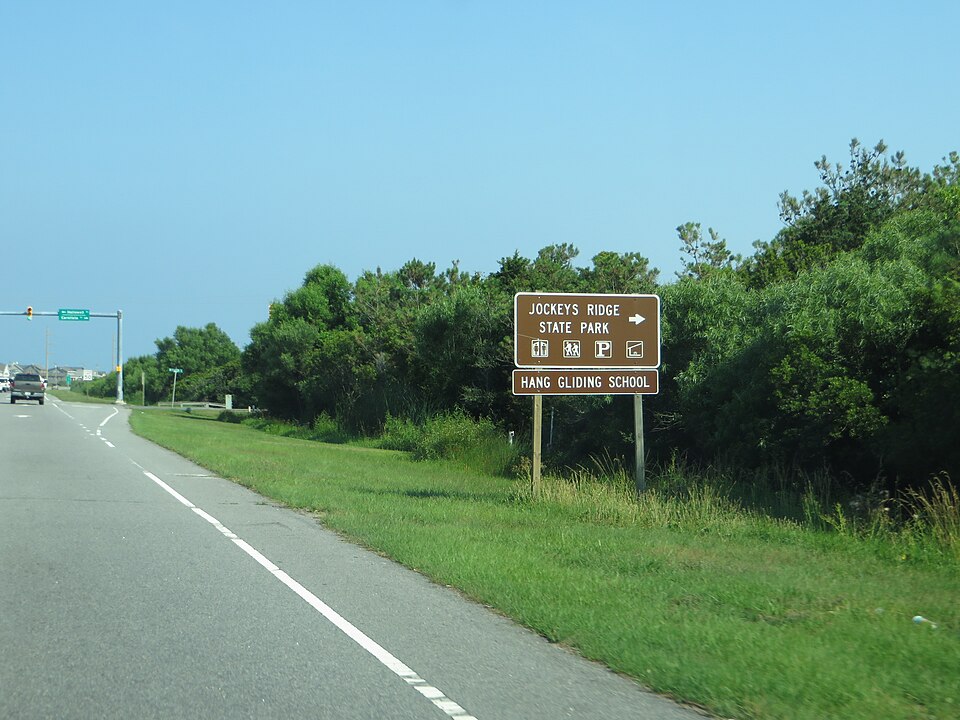
Jockey's Ridge State Park in Nags Head offers a memorable introduction to the islands' shifting sand landscape. Walking on loose sand takes more effort than a paved stroll, and exposed dunes can become hot in strong sun. Choose a cooler part of the day, carry water, and follow the park's current guidance about routes and protected areas.
For a scenic drive, follow NC Highway 12 south toward Hatteras Island, stopping only at designated parking areas and beach accesses. Pea Island National Wildlife Refuge adds opportunities for birdwatching and short walks. Check official park, refuge, and road updates first, since storms, flooding, and wildlife closures can change an otherwise straightforward route.
 Step 3
Watch Wildlife or Get onto the Water
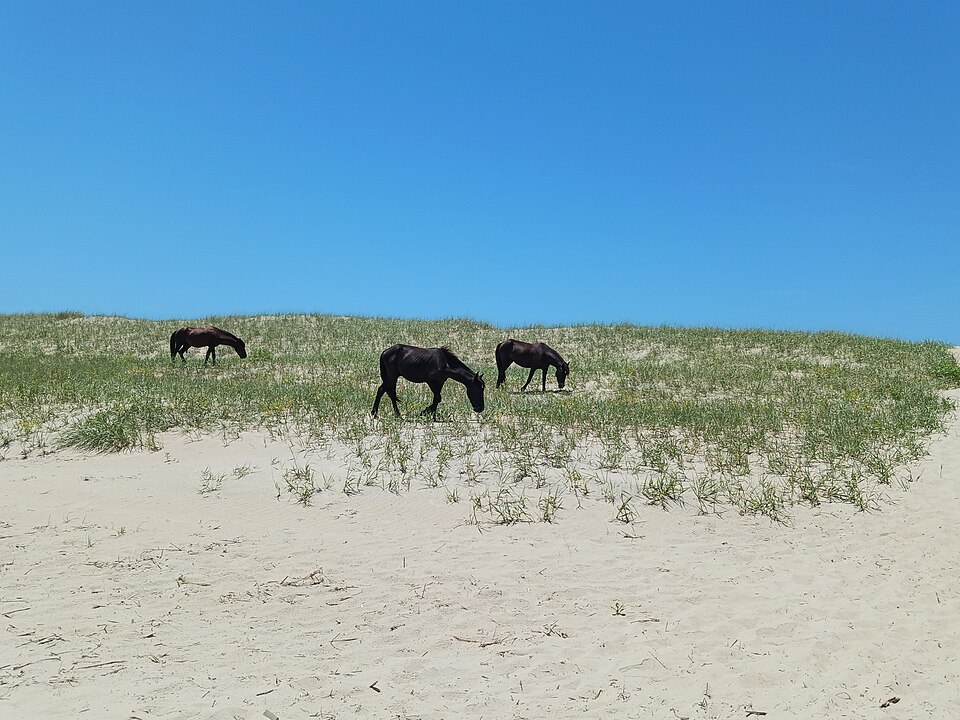
The Corolla area's free-roaming horses are a distinctive wildlife sight, but they are not an invitation to approach, feed, or follow animals across private property. Observe from the required distance and consider a guided outing if you are unfamiliar with beach-driving conditions. A rental car should not be assumed suitable or permitted for sand travel.
For water time, consider a guided kayak outing on the sound or a surf lesson matched to your experience. Soundside water can look sheltered yet become difficult in wind, so ask about conditions before launching and wear an appropriate life jacket. Birdwatching from established overlooks offers a rewarding alternative when paddling conditions are poor.
 Step 4
Build a Kid-Friendly Day around One Main Stop
The Wright Brothers National Memorial in Kill Devil Hills gives families a concrete place to connect early flight with the landscape where it happened. Pair the visitor exhibits and outdoor grounds with a short beach visit rather than adding a long drive to the same day. Check the NPS website for current access and ranger-program information.
Younger children may enjoy sand play and spotting crabs or birds more than a full sightseeing circuit. Choose established beach accesses with the facilities your family needs, and verify seasonal lifeguard coverage rather than assuming it is available everywhere. Pack snacks, shade, water, and dry clothes, and keep enough flexibility to leave when everyone has had enough.
Step 5Keep a Rainy-Day Plan on Roanoke Island
For an ordinary rainy day, the North Carolina Aquarium on Roanoke Island is a useful indoor option, with exhibits focused on aquatic environments and wildlife. Manteo also offers a compact town setting for a meal and a waterfront walk if the weather clears. Verify current admission arrangements and any reservation requirements on official attraction websites.
Closer to the central beaches, indoor exhibits at the Wright Brothers National Memorial can anchor a shorter outing when open. A rainy-day plan is different from a severe-weather plan: do not drive long distances just to preserve your schedule during flooding, strong winds, or tropical weather. Follow official advisories and keep your lodging plans flexible.
Quick answers about Outer Banks
What are the top things to do in Outer Banks?
Highlights include Start with Beaches and Lighthouse Landscapes, Walk the Dunes and Drive NC Highway 12, Watch Wildlife or Get onto the Water, Build a Kid-Friendly Day around One Main Stop.
How much time do you need to see Outer Banks?
Plan 4–6 days to cover the main sights at a comfortable pace.
When is the best time for activities in Outer Banks?
May – June, September – October usually offers the widest choice of open activities and tours.
Airport car & SUV rentals

- ✓ Compare suppliers at ORF
- ✓ Free cancellation on many rates
Standard car rentals at ORF
Est. from $45/day · typical rate
Pick your dates and vehicle class.
Compare rates at ORF
- ✓ Compare suppliers at ORF
- ✓ Free cancellation on many rates
SUV rentals at ORF
Est. from $55/day · typical rate
Pick your dates and vehicle class.
Compare rates at ORFViator
Tours & experiences near Outer Banks
Explore guided activities around Outer Banks. Check the meeting point, dates and availability on Viator before booking.
Open tour listings separately