 Arrival airport
 Airport drive
 Reservation demand
 Best season
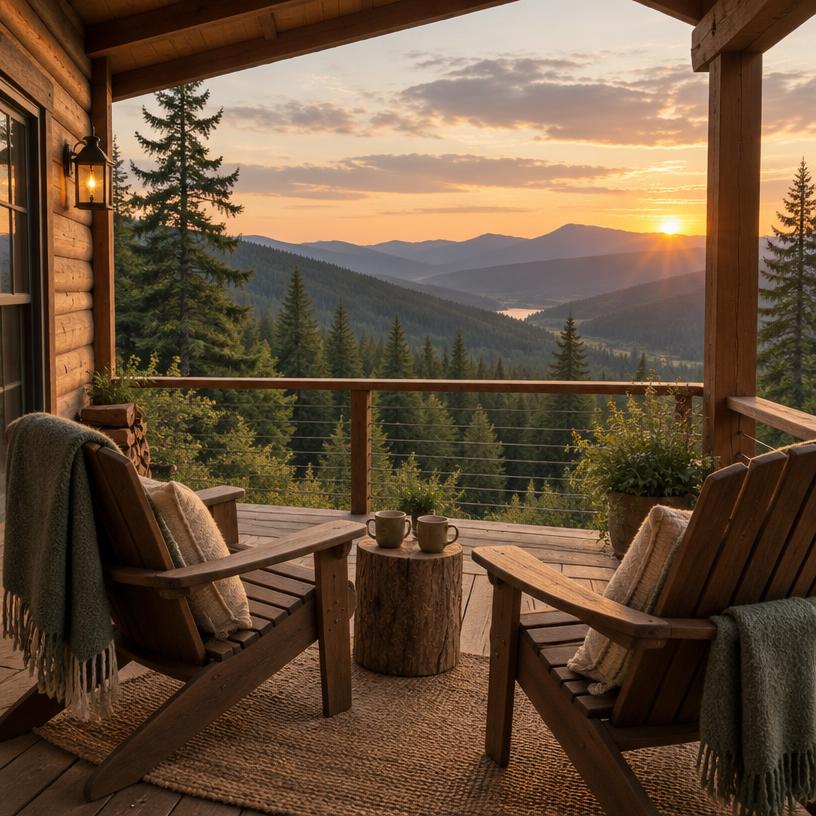
Outer Banks glamping is less about expecting a safari tent on an empty beach and more about finding a comfortable outdoor-oriented stay near the coast. Depending on current listings, that might mean a campground cabin, a furnished RV, or another ready-to-use accommodation. Look closely at the actual setup: air-conditioning, bathroom access, shade, and distance from the beach matter more here than the word glamping in a listing.
 Step 1
What Glamping Looks Like along This Coast
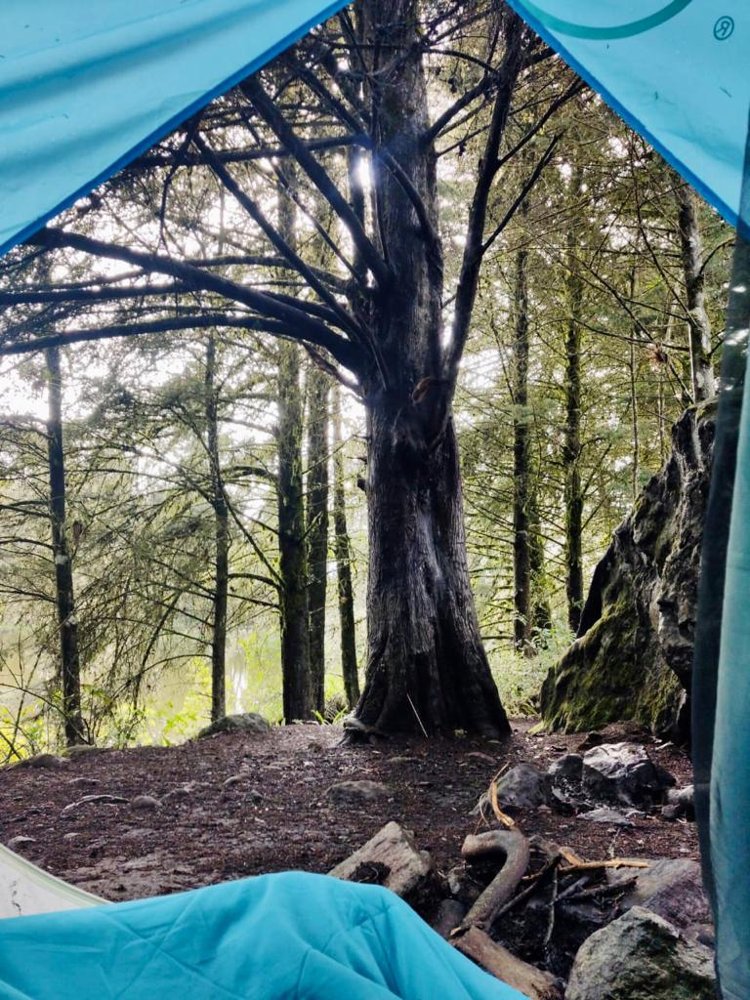
Treat glamping as a broad search category rather than a standardized lodging type. Around the Outer Banks, look for campground cabins, furnished rental units, and stationary RV stays where available. Do not assume a tent-style listing sits directly on the sand, has a private bathroom, or includes bedding and cooking equipment. Photographs and amenity lists deserve a close read.
Ask whether the unit has climate control, screened windows, drinking water, and an indoor place to sit during rain. Confirm whether bathrooms are private or shared and whether linens, cleaning fees, or equipment rentals cost extra. Coastal exposure makes a solid weather plan especially important; attractive outdoor furniture is not a substitute for clear storm and cancellation policies.
 Step 2
Where to Search: Central Beaches, Hatteras, and Nearby Areas
Start around Kitty Hawk, Kill Devil Hills, and Nags Head if you want convenient access to groceries, aviation history, and the dunes at Jockey's Ridge. Search both these towns and nearby campground listings rather than assuming glamping units are available in every neighborhood. Manteo and the Roanoke Island area are also worth considering if you prefer a different base and accept a drive to ocean beaches.
For a beach-focused stay farther south, look around Rodanthe, Waves, Salvo, Avon, Buxton, and the villages toward Hatteras. Longer distances between activities make location important. Mainland areas near the northern approach may broaden your search, but compare real driving routes and bridge traffic before treating them as equivalent to an island stay.
 Step 3
Choose a Season and Reserve with Weather in Mind
May through June and September through October are useful starting points for a comfortable outdoor-oriented stay. Spring evenings can be cool, while early fall may retain summer heat and humidity. July and August bring strong demand and make dependable cooling especially valuable in small cabins, tents, or stationary RVs. Winter requires careful confirmation that the property operates and the unit is heated.
For summer and holiday dates, start searching several months ahead. Compare total estimated costs, minimum stays, and cancellation terms rather than nightly rates alone. Hurricane season runs June through November, so ask how evacuation orders and weather disruptions are handled. Check official park and NPS sites for nearby campground reservations and current coastal conditions.
Step 4Pack for Sand, Wind, Sun, and Insects
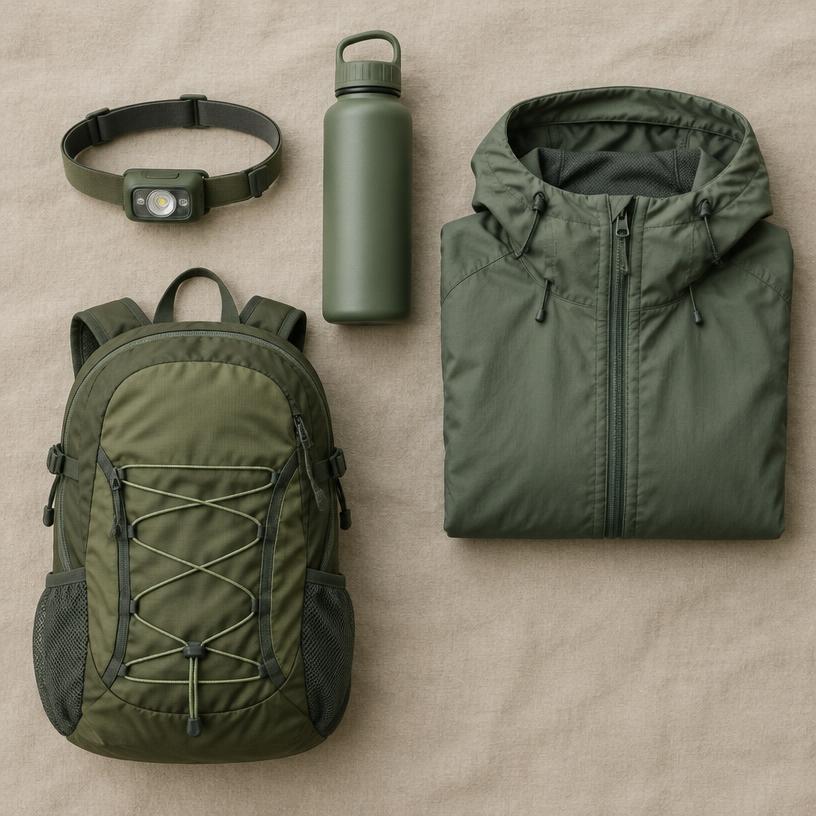
Bring breathable daytime clothing, a warm layer, and a windproof or rain shell even when the forecast looks pleasant. Sun protection, insect repellent, reusable water bottles, and a headlamp are useful for evenings around campgrounds. Sand travels indoors easily, so add a small brush, quick-drying towels, and a separate bag for wet swimsuits and sandy shoes.
Use the accommodation's inventory to decide whether to pack bedding, pillows, cookware, dish soap, and a cooler. Confirm refrigerator capacity rather than arriving with more food than it can hold. Leave delicate or unsecured outdoor decorations at home, and follow property instructions for awnings and loose gear in wind. Check local fire rules before planning any outdoor cooking fire.
Step 5Glamping vs. Tent Camping vs. an RV Stay
Glamping reduces setup and equipment needs, making it appealing for short trips or travelers flying into Norfolk. In exchange, furnished stays often cost more than basic tent sites, and the comforts vary widely. Tent camping puts you closer to outdoor conditions and generally requires more gear, weather flexibility, and tolerance for wind, heat, insects, and shared facilities.
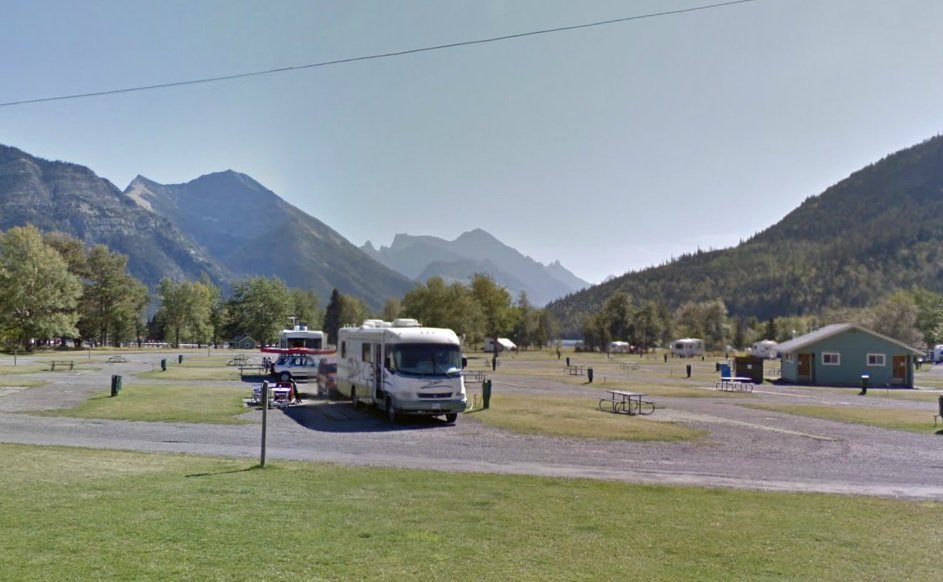
An RV offers familiar sleeping and cooking space, but driving, hookups, site dimensions, and parking require planning. Renting a stationary RV avoids towing without guaranteeing hotel-style space or amenities. Compare rough total costs after fees, linens, vehicle expenses, and equipment needs. For national seashore camping, verify facilities and reserve through the official NPS-linked system rather than assuming hookups or walk-in availability.
Quick answers about Outer Banks
When is the best time to go glamping near Outer Banks?
May – June, September – October offers the most comfortable glamping weather near Outer Banks.
How do you get to glamping near Outer Banks?
Fly into ORF, about 2 h 10 min away by car, then drive — most sites need a car.
Do glamping sites near Outer Banks sell out?
Yes, popular sites often book out months ahead in peak season, so reserve early.
Airport car & SUV rentals
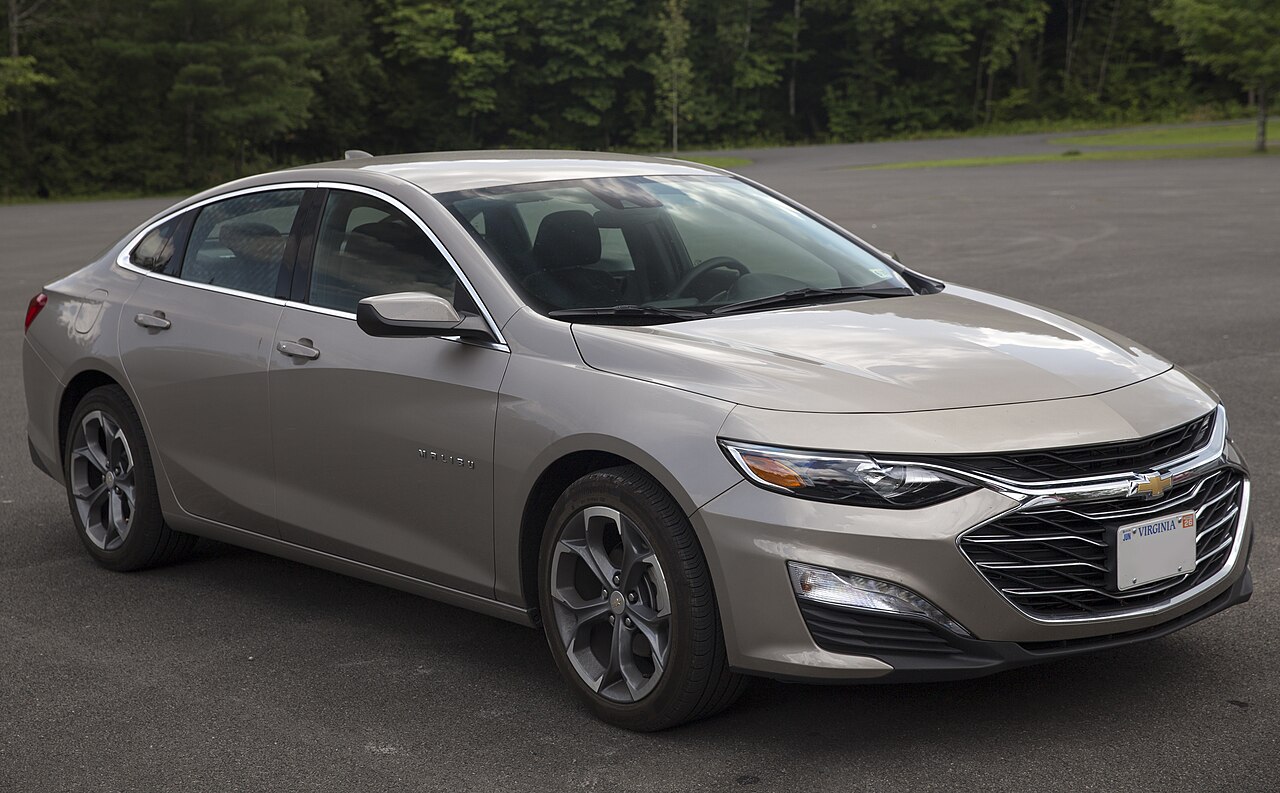
- ✓ Compare suppliers at ORF
- ✓ Free cancellation on many rates
Standard car rentals at ORF
Est. from $45/day · typical rate
Pick your dates and vehicle class.
Compare rates at ORF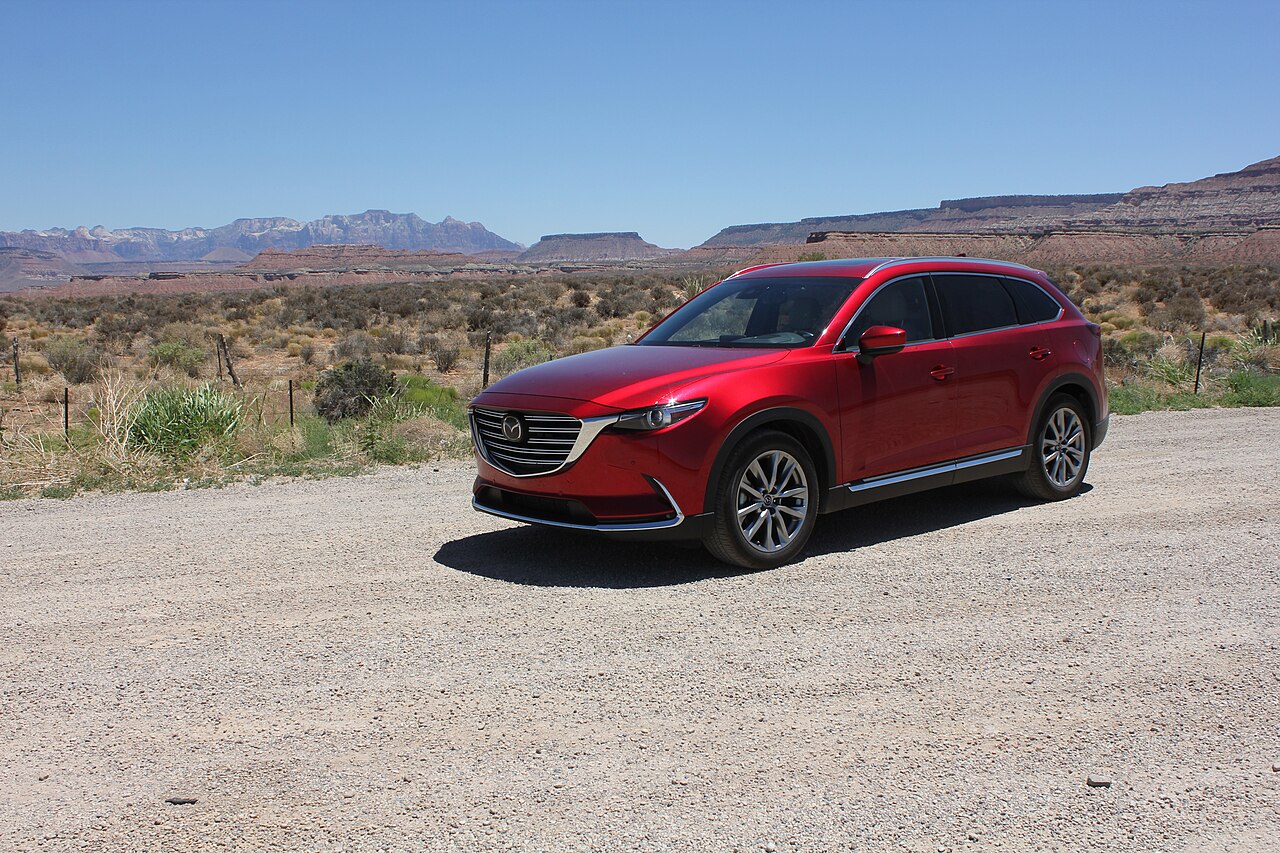
- ✓ Compare suppliers at ORF
- ✓ Free cancellation on many rates
SUV rentals at ORF
Est. from $55/day · typical rate
Pick your dates and vehicle class.
Compare rates at ORFViator
Tours & experiences near Outer Banks
Explore guided activities around Outer Banks. Check the meeting point, dates and availability on Viator before booking.
Open tour listings separately