 Arrival airport
 Airport drive
 Reservation demand
 Best season


The best time to visit the Outer Banks depends on whether you want warm-water swimming, quieter beaches, or long days exploring lighthouses and dunes. May through June and September through October offer appealing combinations of outdoor weather and manageable crowds, though conditions vary. These North Carolina barrier islands are exposed to wind and coastal storms, so build flexibility into a two- to four-day visit rather than planning every hour.
 Spring
: Dunes, Wildlife, and Quieter Beaches
Spring suits travelers who prefer walking and sightseeing to a swimming-focused vacation. March and April can feel chilly beside the ocean, especially in wind, while May usually brings more comfortable beach-walking weather. Ocean water often stays cool even when the afternoon air feels warm. Bring layers for lighthouse grounds, soundside paths, and sunset stops.
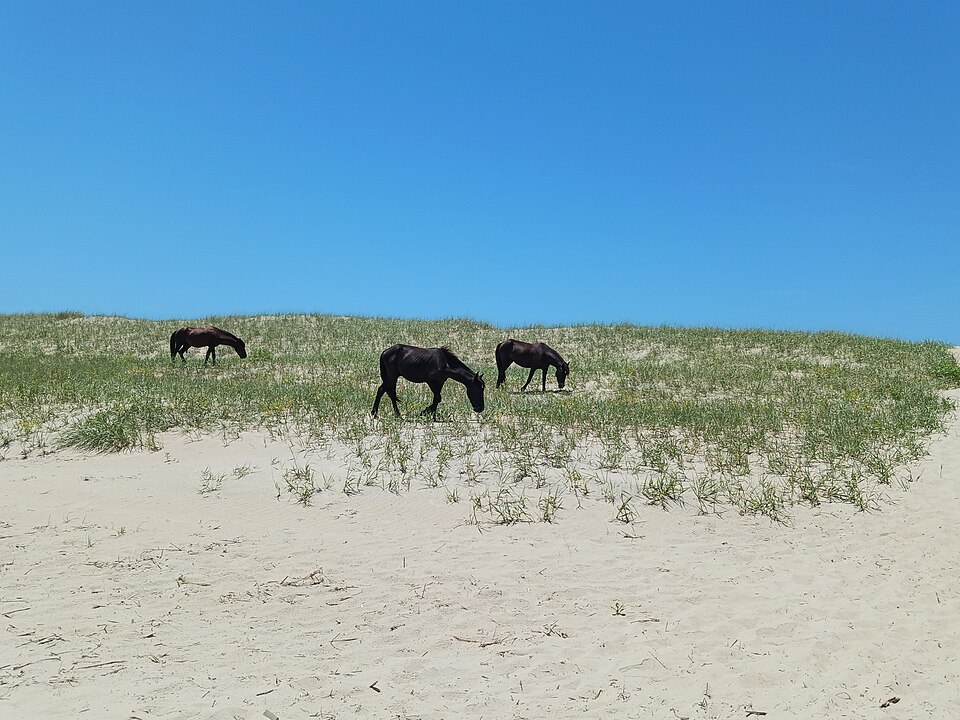
Crowds generally increase around school breaks and holiday weekends, but many spring weekdays feel less busy than summer. Migrating birds add interest around marshes and refuges. Check official refuge and NPS updates before choosing trails or beach access points, since wildlife protection measures can affect where visitors may walk.
 Summer
: Warm Beach Days and Peak Demand
June through August is the classic beach-vacation season, with warm weather, long daylight hours, and the broadest seasonal visitor services. Early June can offer a useful compromise before the busiest school-vacation weeks. July and August bring heavier traffic, fuller parking areas, and stronger competition for family lodging and campgrounds.
Plan outdoor walks early, keep shade and drinking water handy, and leave room for afternoon thunderstorms. Ocean conditions change daily; follow posted beach flags and local guidance rather than assuming calm-looking water is suitable for swimming. Summer also falls within Atlantic hurricane season, which runs from June through November, making flexible plans and forecast checks important.
 Fall
Fall: Warm Water Early, More Uncertainty Later
September often retains summer warmth, and the ocean may stay inviting after the busiest vacation weeks have passed. October is generally better suited to beach walks, birding, scenic drives, and unhurried lighthouse visits than to counting on swimming every day. Bring a windproof layer for exposed beaches and soundside overlooks.
Fall is not automatically a quiet, storm-free bargain. Tropical systems can disrupt roads, ferry service, beach access, and lodging plans, while popular weekends still draw visitors. Review cancellation terms before booking, monitor official forecasts, and check the Cape Hatteras National Seashore website for current conditions. Keep a mainland alternative in mind if weather makes an island stay impractical.
WinterWinter: Solitude, Wind, and Limited Services
Winter offers a different Outer Banks experience: empty stretches of sand, dramatic skies, and time to notice birds and changing shorelines. It works well for travelers who enjoy scenic drives and brisk walks rather than swimming or a packed schedule of seasonal attractions. Cold wind can make an otherwise mild-looking forecast feel uncomfortable on the beach.
Some restaurants, lodging properties, tours, and visitor facilities reduce service or close seasonally. Confirm essential stops before traveling, especially farther south. Coastal storms can also affect NC Highway 12 and ferry operations. Choose a comfortable lodging base, pack warm layers, and avoid making your entire itinerary depend on one outdoor activity or ferry crossing.
 Step 5
When to Reserve and How to Avoid Crowds
For summer, holiday weekends, and larger vacation rentals, start looking several months ahead; desirable properties may require longer stays than a short road trip allows. Spring and fall often provide more flexibility, but waterfront lodging, furnished cabins, and popular campgrounds can still fill. Check each property's minimum stay, fees, and cancellation policy before comparing rough trip costs.
Weekend rental turnover can create substantial bridge and highway traffic. If your schedule allows, consider a weekday arrival and group activities by area instead of repeatedly driving between Corolla and Hatteras Island. Use official park and NPS websites for current campground reservations, beach-access rules, lighthouse access, and closures before finalizing your plans.
More ways to book Outer Banks
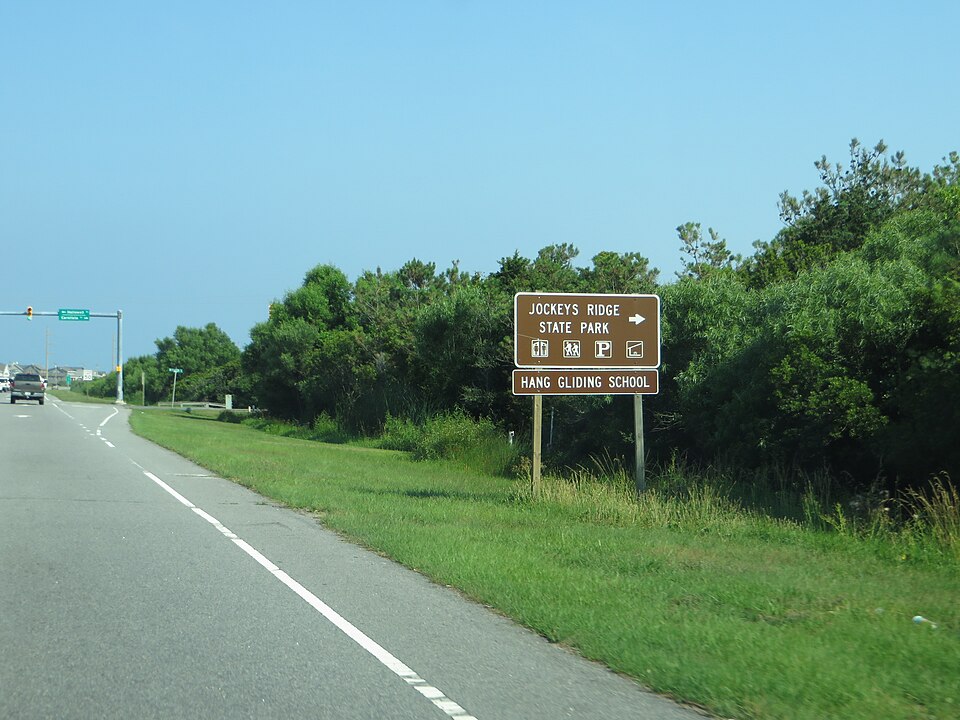
Jockey's Ridge Sunset Hang Gliding
Same dunes the Wright brothers used — beginners fly on day one.
Varies (estimate)
Quick answers about Outer Banks
What month is best to visit Outer Banks?
Most visitors find May – June, September – October the best window for Outer Banks, with the most reliable weather and access.
When should you avoid visiting Outer Banks?
Outside May – June, September – October, weather and seasonal closures can limit roads, trails and services. Check current conditions before booking.
Airport car & SUV rentals

- ✓ Compare suppliers at ORF
- ✓ Free cancellation on many rates
Standard car rentals at ORF
Est. from $45/day · typical rate
Pick your dates and vehicle class.
Compare rates at ORF
- ✓ Compare suppliers at ORF
- ✓ Free cancellation on many rates
SUV rentals at ORF
Est. from $55/day · typical rate
Pick your dates and vehicle class.
Compare rates at ORFViator
Tours & experiences near Outer Banks
Explore guided activities around Outer Banks. Check the meeting point, dates and availability on Viator before booking.
Open tour listings separately