 Arrival airport
 Airport drive
 Reservation demand
 Best season

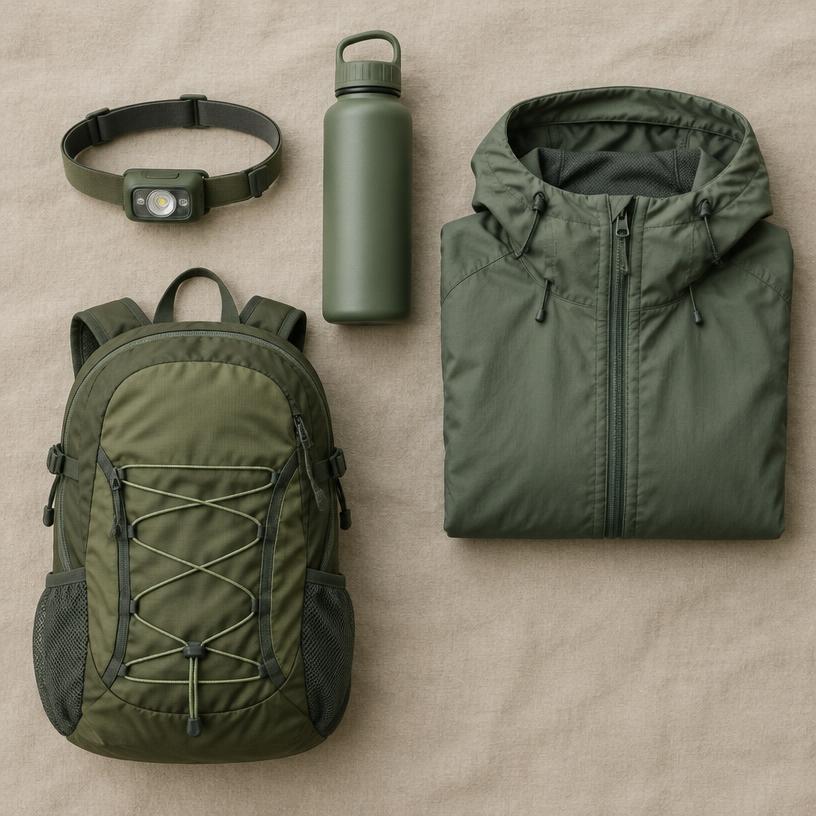
Use this Big Sur itinerary as a flexible framework, not a promise that every stretch of Highway 1 or every park trail will be open. Monterey Regional Airport is the nearest airport, making a north-side arrival straightforward when roads are accessible. Three days gives you a comfortable mix of redwoods and coastline; trim the final sightseeing day for a weekend, or add a fourth for a slower pace.
Day 1: Arrive From Monterey and Settle In
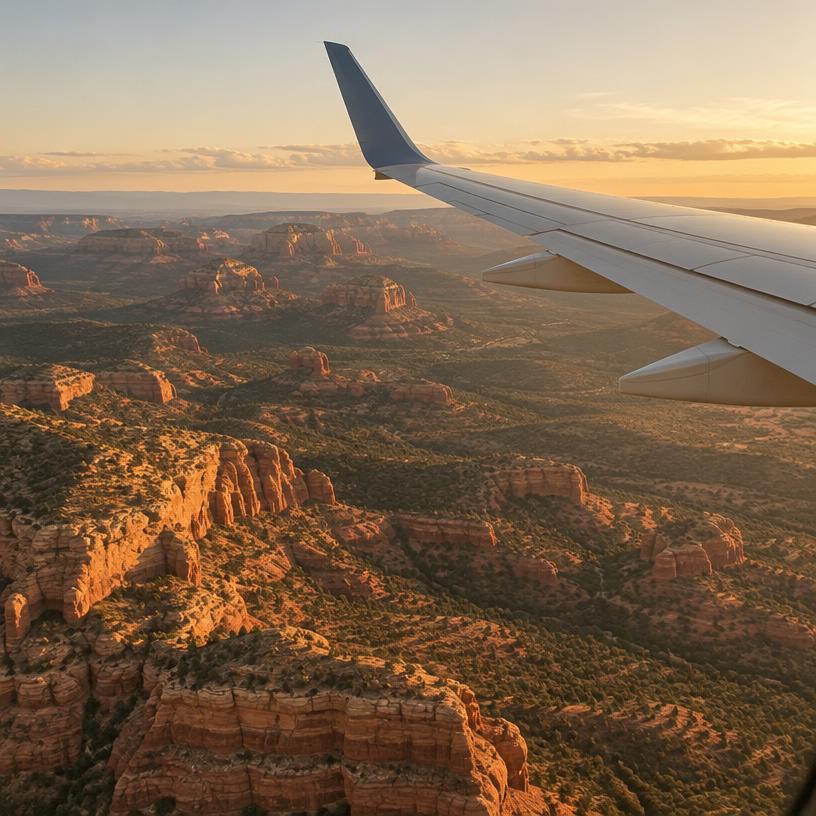
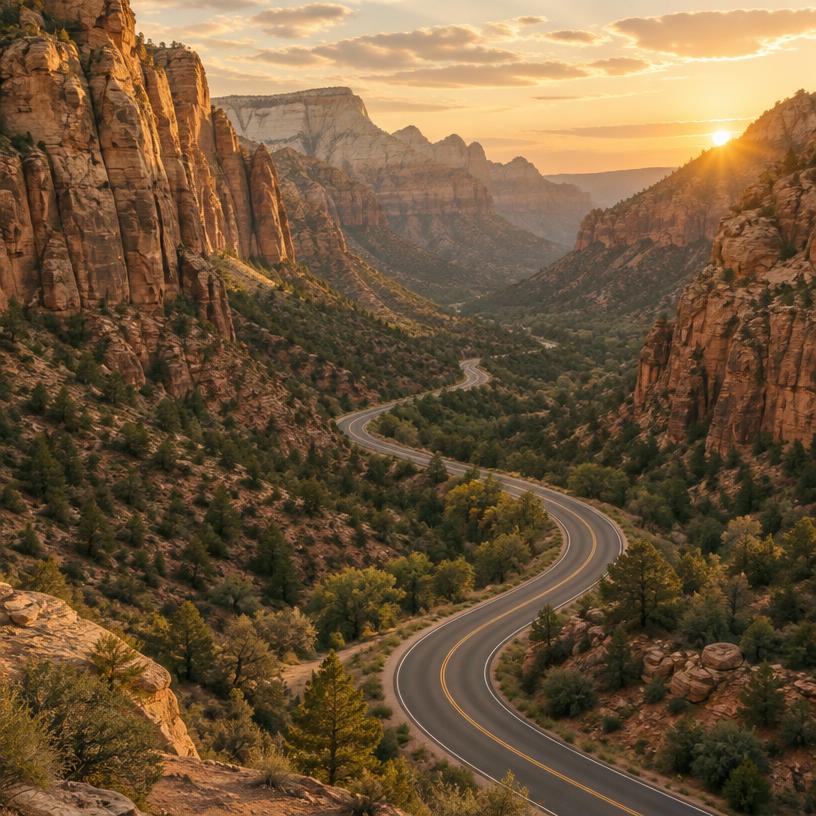
Fly into Monterey Regional Airport (MRY), pick up your vehicle, and buy groceries or other essentials before heading down the coast. The starting airport-drive estimate is 32.6 miles and 61 minutes, but your actual lodging location, traffic, stops, and road conditions can change that substantially. Do not treat an hour as the full travel allowance for arrival day.
If daylight and access permit, make one or two legal viewpoint stops along Highway 1, including the Bixby Creek Bridge area if parking is available. Continue to your reserved accommodation and keep the evening simple. Arriving before dark makes it easier to find unfamiliar entrances and get oriented on a winding road.
Day 2: Redwoods, River Scenery, and an Easy Afternoon
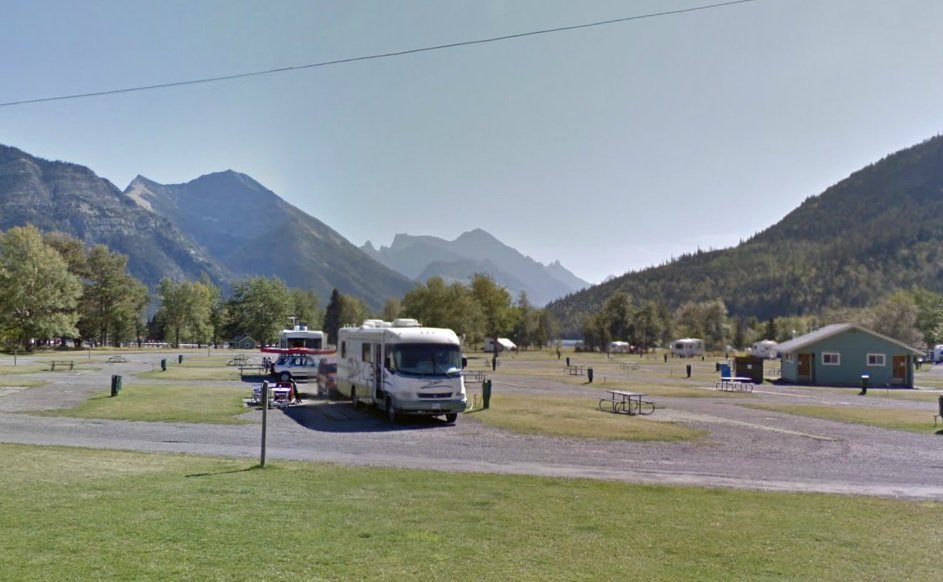
Spend the morning at Pfeiffer Big Sur State Park, choosing an open trail that matches your group’s energy and current conditions. A shorter redwood walk leaves time to appreciate the forest instead of rushing back to the car. Carry lunch or plan food stops in advance, because dining options are spread out along the coast.
In the afternoon, consider Pfeiffer Beach if access and parking allow, or choose another nearby legal overlook. The beach and state park are separate destinations, so check directions carefully. Keep the evening close to your lodging. For a two-day trip, shorten the afternoon and leave a generous buffer for the drive back toward Monterey.
Day 3: Explore More of the Coast, If Roads Are Open
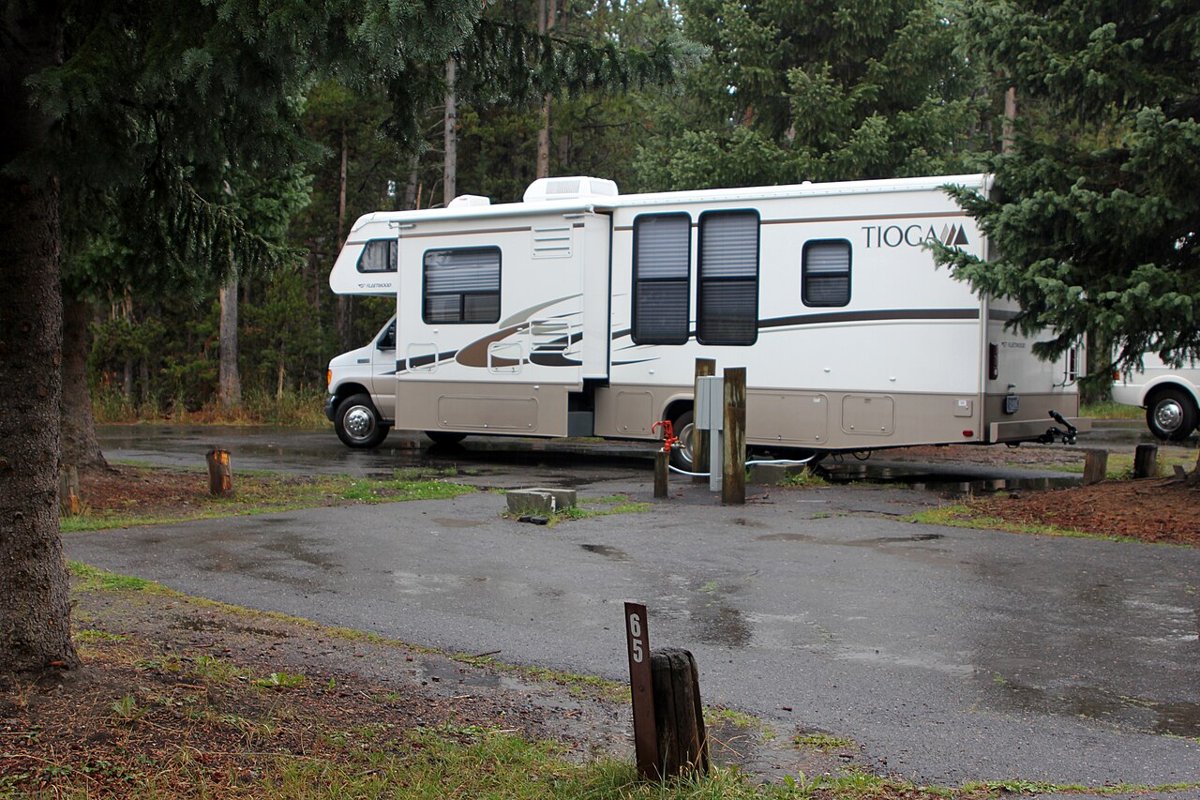
Check Caltrans and official park alerts before breakfast, then decide whether a farther-south outing makes sense. Julia Pfeiffer Burns State Park and the McWay Falls setting are a possible focus when the road and relevant viewing areas are open. Add only a few stops so the day remains about enjoying the landscape rather than racing between landmarks.
If southern access is disrupted, use the day for an available trail at Andrew Molera State Park or another open northern destination instead. Check trail details, including any river crossings, before committing. Return with plenty of daylight and fuel, and do not expect an inland shortcut around a coastal closure to be quick.
Day 4: Add a Slow Morning or a Monterey Stop
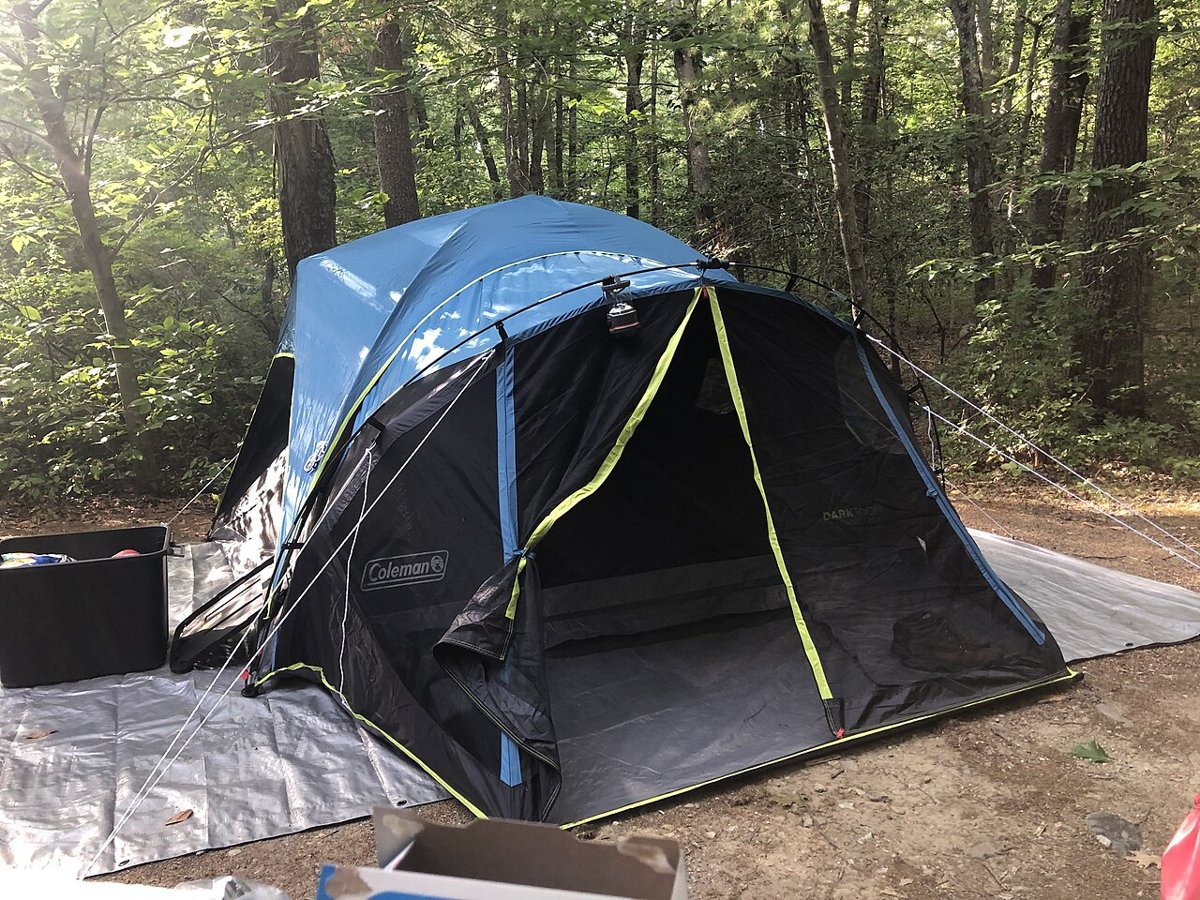
An optional fourth day gives you room to revisit a viewpoint that was fogged in, take another short forest walk, or simply enjoy breakfast without packing in a hurry. Choose an outing close to your accommodation and on the correct side of any road closure. A lighter final day is especially useful if you have an afternoon or evening flight.
Head north with a comfortable time buffer. If your schedule permits, stop in Carmel-by-the-Sea or Monterey for a walk or meal before returning the vehicle. Avoid adding a timed attraction unless the travel margin is generous. Winding roads, parking delays, and weather can all make the return slower than the map suggests.
 Step 5
Reservations, Budget, and Road-Trip Logistics
Reserve lodging first, then check the official park sites for current conditions, day-use requirements, and campground reservations. Keep a screenshot or offline copy of confirmations and download maps before leaving reliable service. Fuel up before long coastal stretches, carry water and snacks, and build your route around confirmed access rather than a complete north-to-south drive.
For early budgeting, roughly $190 per person per day is a starting estimate, not a quote. Your actual costs depend heavily on lodging, sharing arrangements, meals, and vehicle expenses; glamping or a solo stay can raise the total considerably. Keep flights and rental-car quotes separate, and leave room for parking, park entry, and unexpected route changes.
Quick answers about Big Sur
How many days should a Big Sur itinerary be?
A 2–4 days itinerary covers the main sights without rushing.
Which airport should you fly into for Big Sur?
The closest airport is MRY, about 1 h 1 min away by car.
How much does a Big Sur trip cost?
Budget about $190 per person per day, excluding flights (a typical estimate; prices vary by season).
Airport car & SUV rentals
- ✓ Compare suppliers at MRY
- ✓ Free cancellation on many rates
Standard car rentals at MRY
Est. from $45/day · typical rate
Pick your dates and vehicle class.
Compare rates at MRY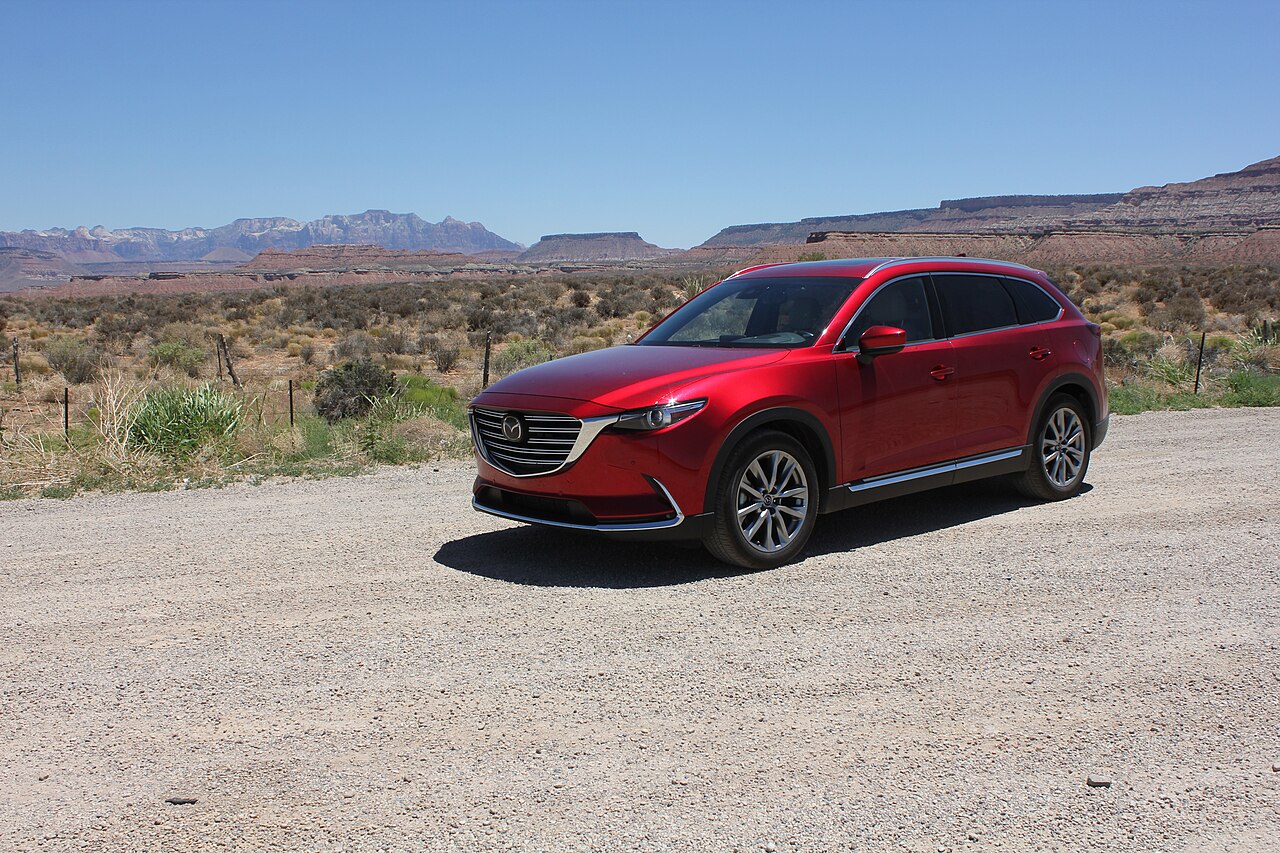
- ✓ Compare suppliers at MRY
- ✓ Free cancellation on many rates
SUV rentals at MRY
Est. from $55/day · typical rate
Pick your dates and vehicle class.
Compare rates at MRYViator
Tours & experiences near Big Sur
Explore guided activities around Big Sur. Check the meeting point, dates and availability on Viator before booking.
Open tour listings separately