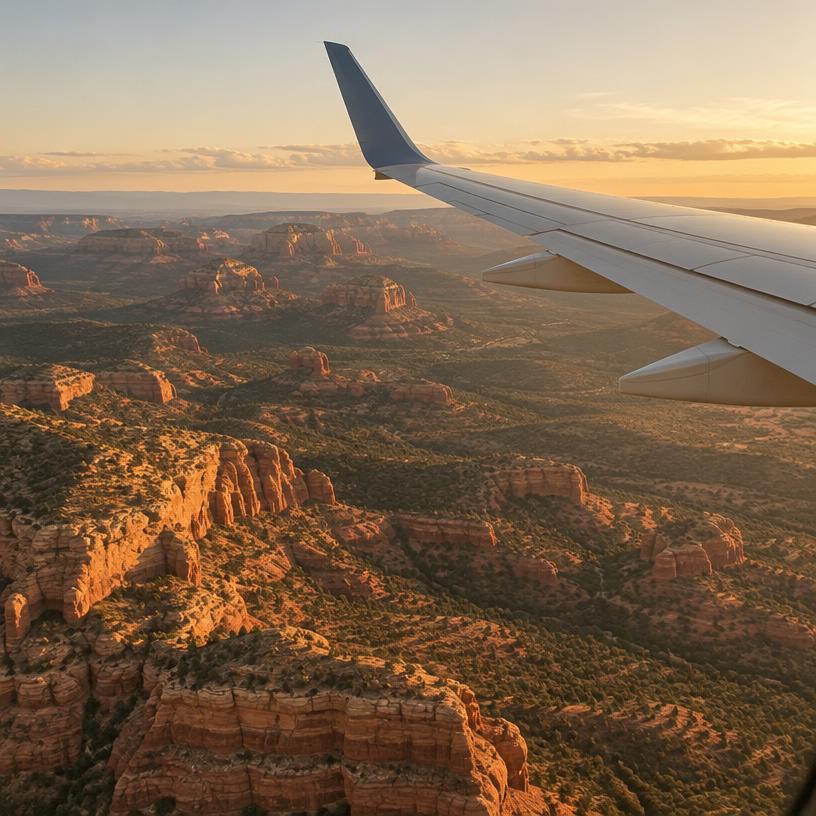
 Arrival airport
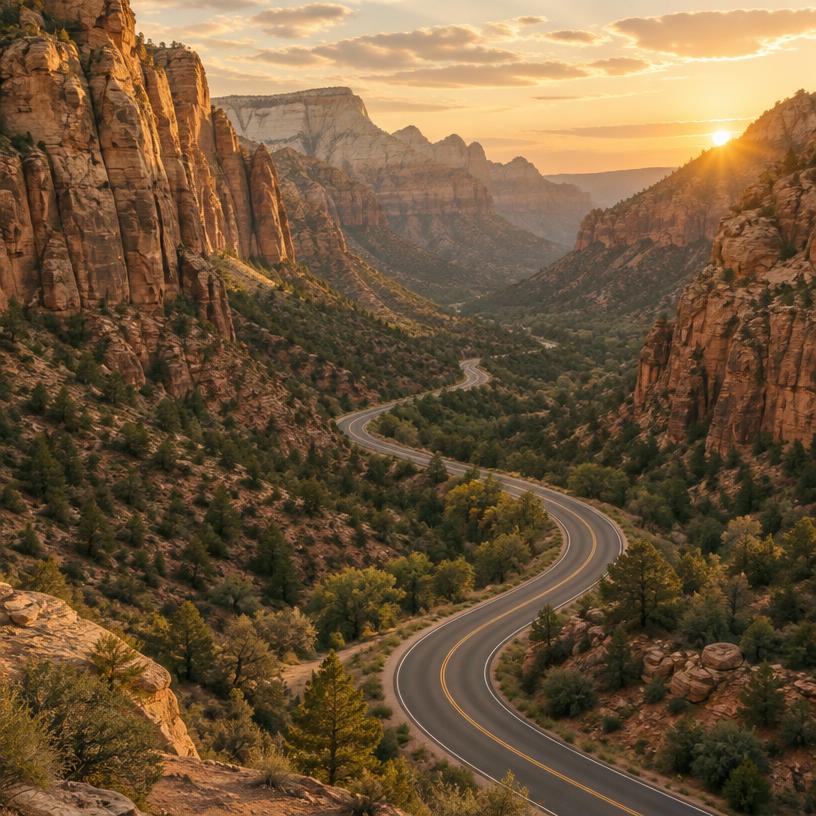 Airport drive
 Reservation demand
 Best season
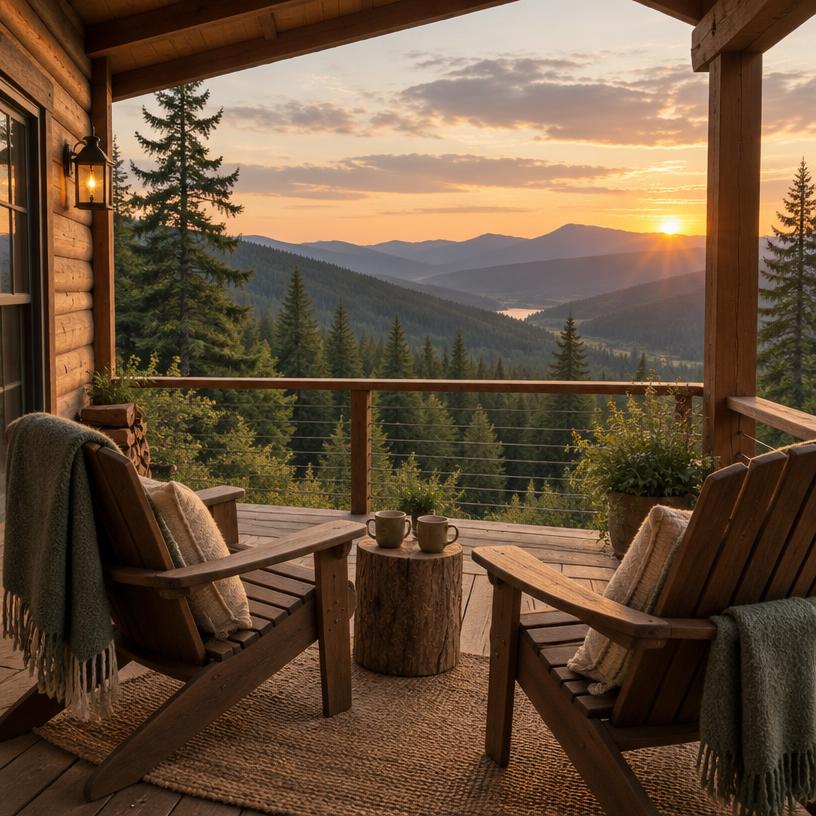
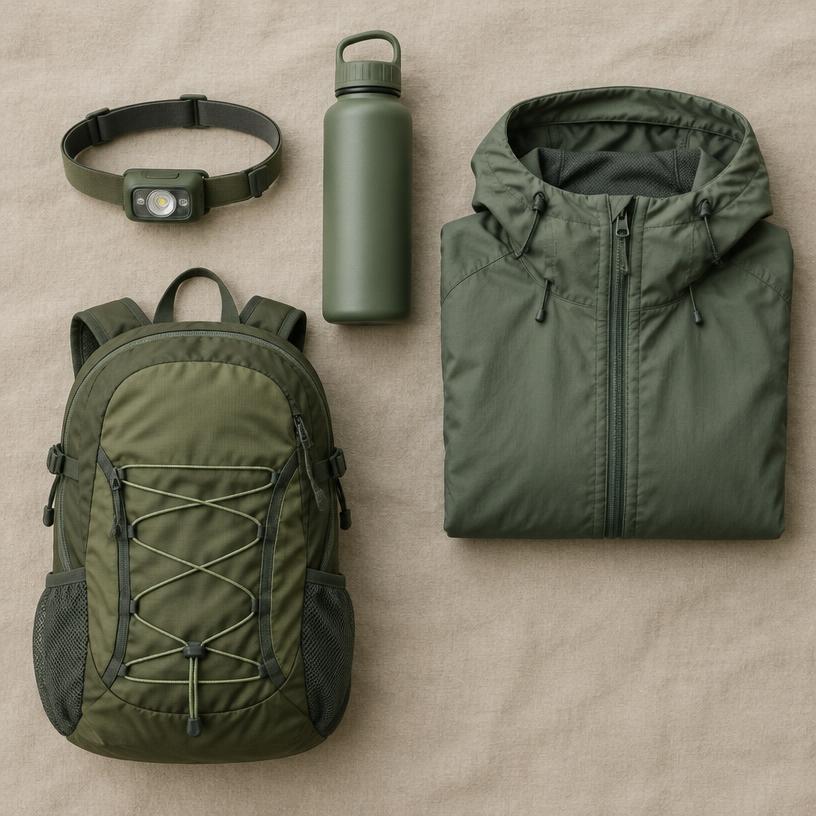
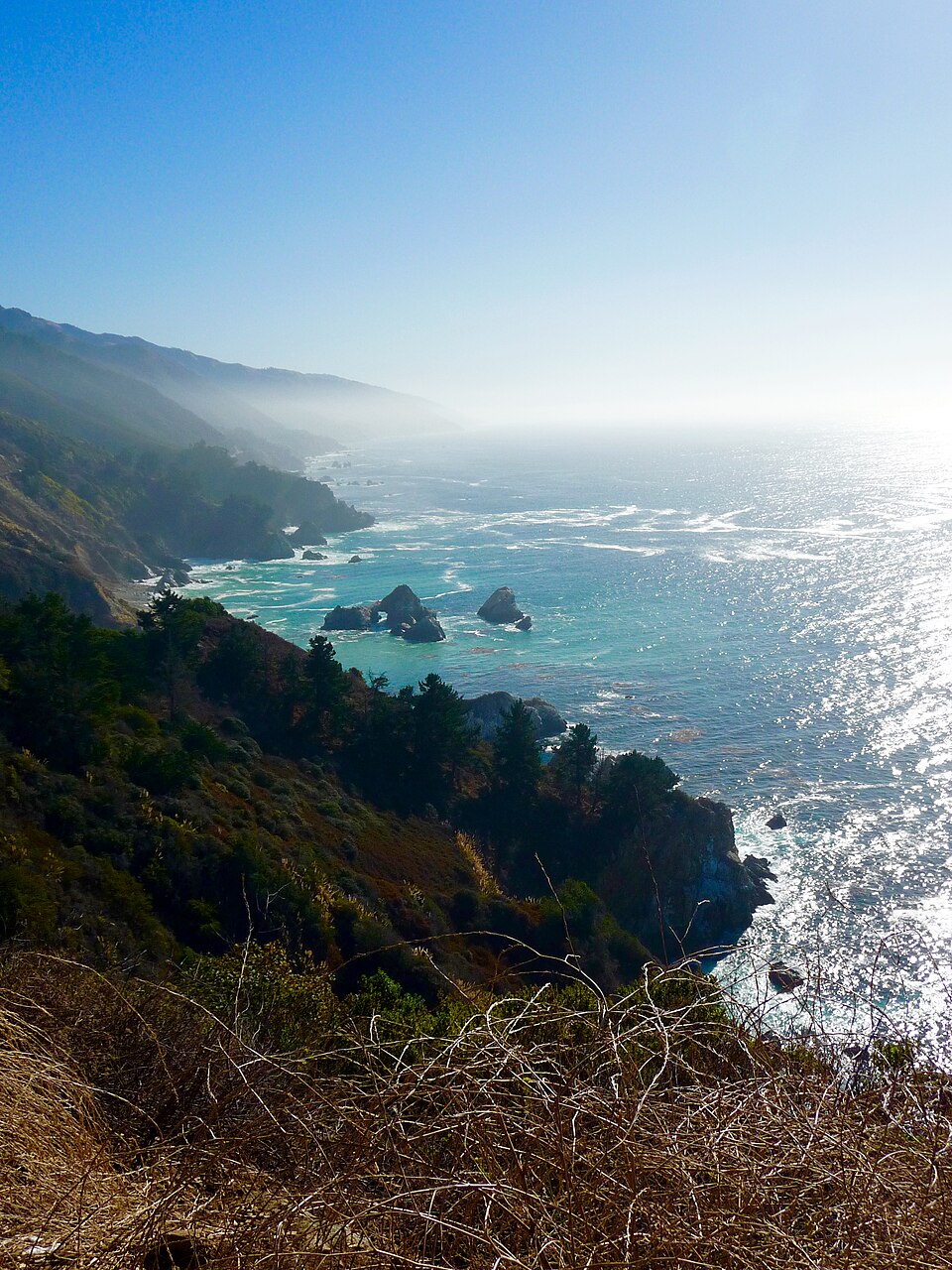
The best time to visit Big Sur is usually April through June or September through October, when coastal walks and redwood hikes fit comfortably into a two- to four-day trip. Spring brings greener hillsides, while early fall often offers a pleasant balance of weather and visitor numbers. Still, fog, rain, and Highway 1 conditions matter more than the calendar alone, so build some flexibility into your plans.
 Spring
: Green Hills and Longer Hiking Days
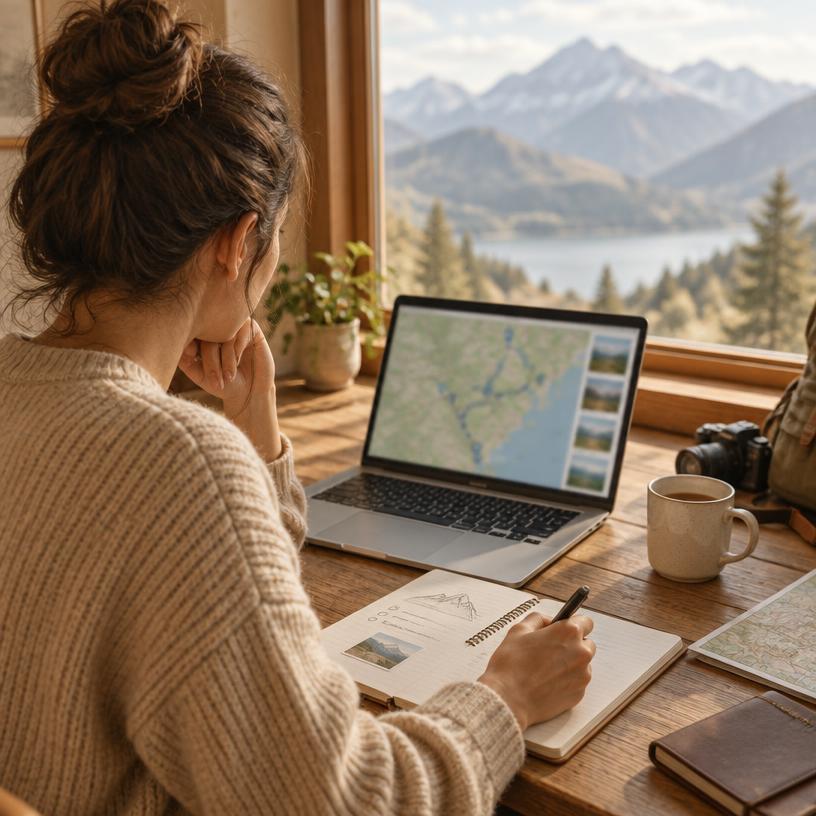
April through June is a rewarding stretch for exploring Big Sur’s mix of coastal bluffs and shaded forest. Hillsides are often green after winter rain, and wildflowers may brighten open areas, although bloom timing varies. Days get longer, making it easier to combine a morning hike with an unhurried scenic drive.
Spring is not a promise of dry trails or clear ocean views. Rain can linger, and damaged trails or roads may remain closed after winter storms. Bring a rain shell and shoes with traction, and check California State Parks and Caltrans before choosing stops. Weekdays outside holiday periods generally offer a quieter experience than weekends.
 Summer
: Long Days, Busy Stops, and Coastal Fog
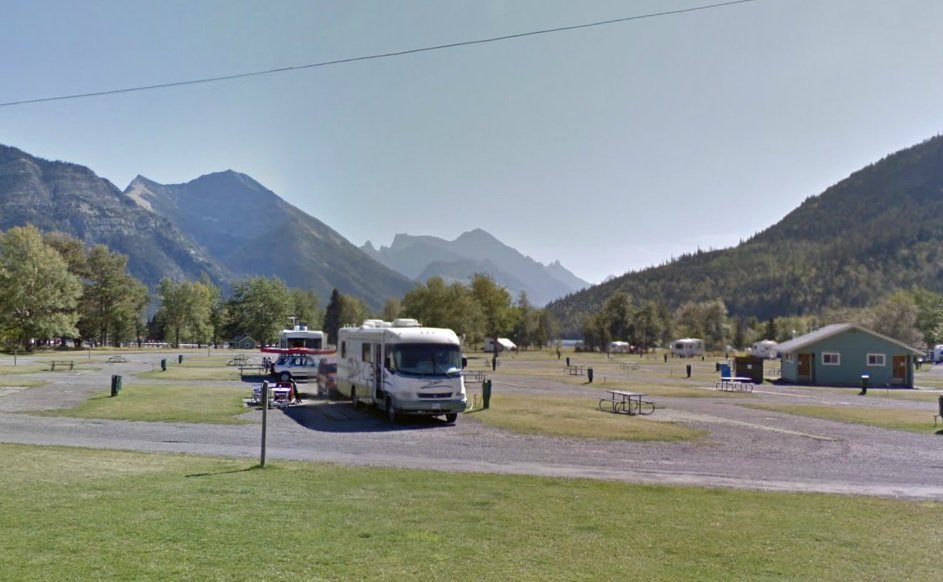
Summer offers long daylight hours and a familiar California road-trip rhythm, but Big Sur’s coast is not reliably hot or sunny. Marine fog can obscure viewpoints, especially early in the day, while inland trails may feel considerably warmer. Dress in layers rather than planning around beach weather.
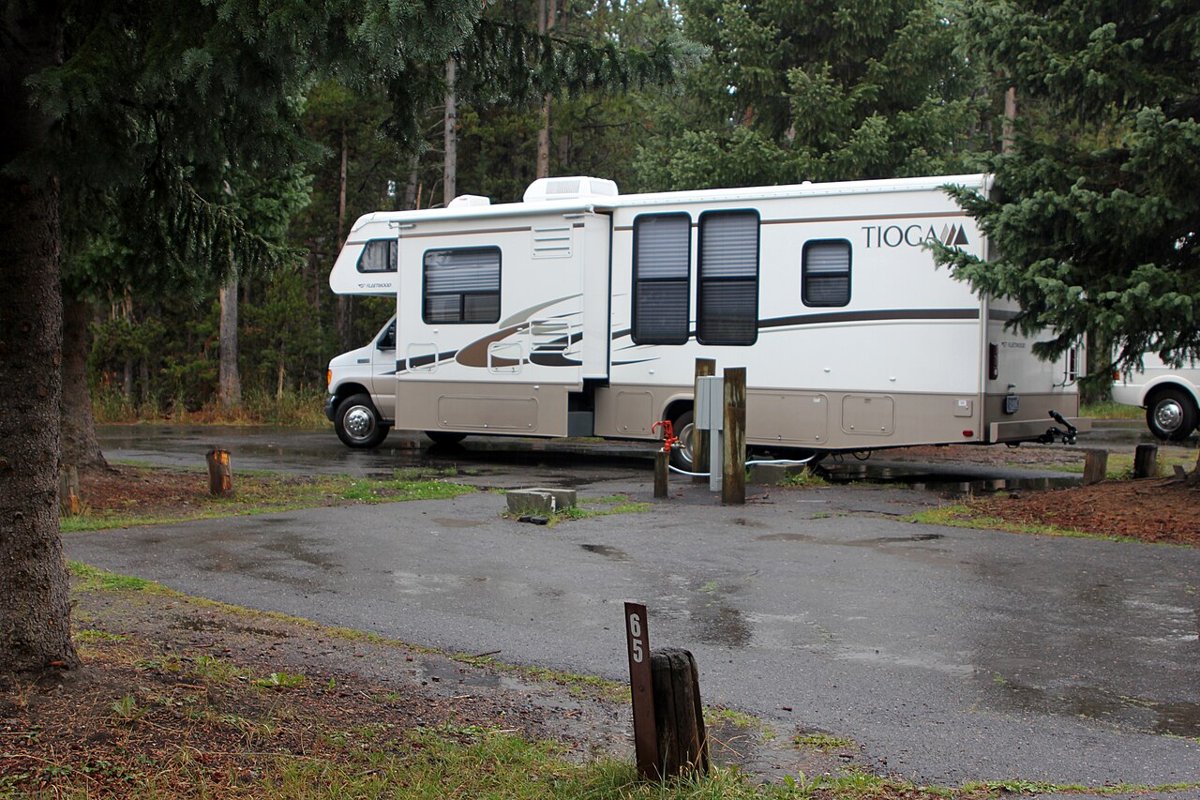
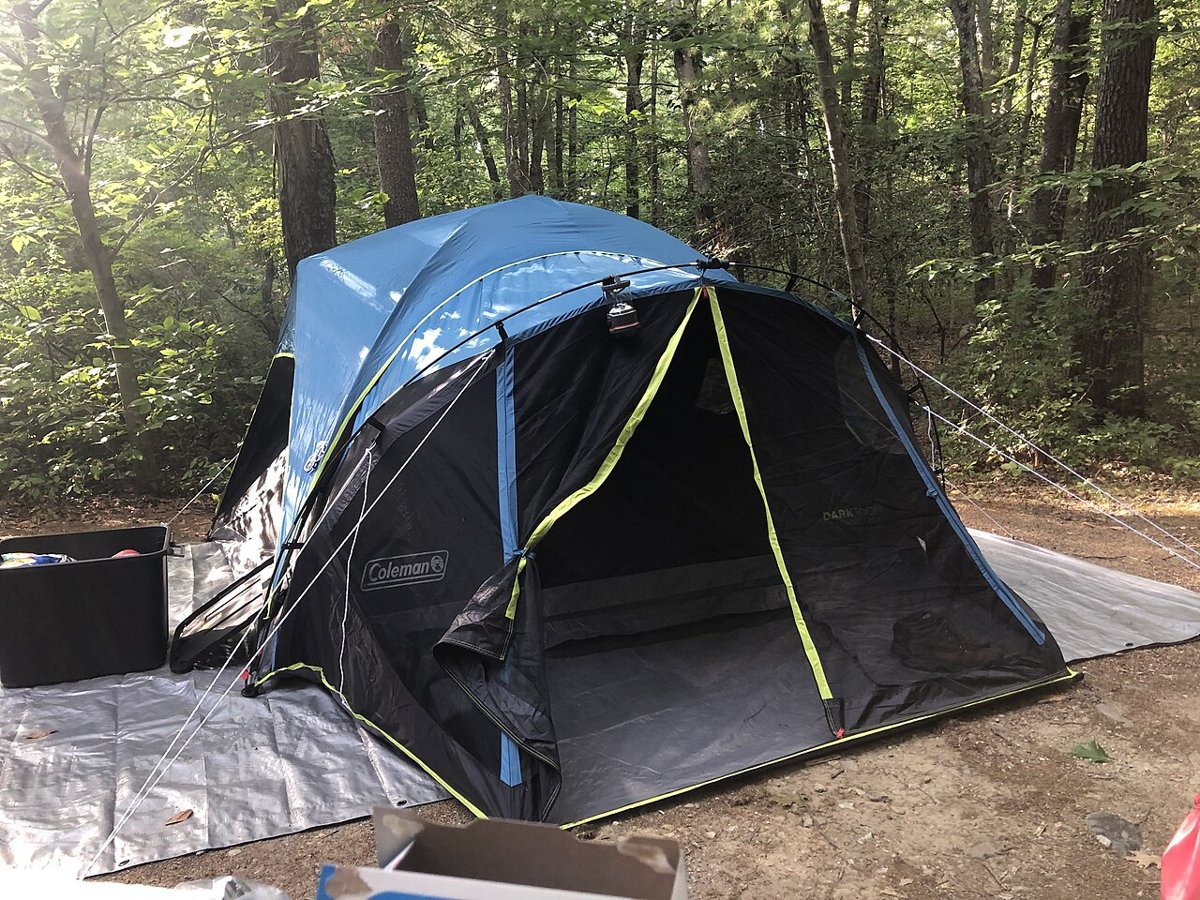
This is a busy season for campgrounds, lodging, roadside parking, and popular park entrances. Reserve overnight stays as early as the official booking window allows, and start sightseeing early. If a turnout is full, continue to another legal stopping place rather than waiting in the roadway. Give each day breathing room so traffic and changing visibility do not derail the trip.
 Fall
Fall: A Strong Choice for a Slower Road Trip
September and October often make an appealing window for a Big Sur getaway. The summer travel rush eases after Labor Day, particularly midweek, and early fall can bring clearer coastal views. Warm spells remain possible, so carry drinking water even when the morning starts cool.
Fall also brings shorter days, possible wildfire-related restrictions, and eventually the return of rain. Do not treat this season as a guarantee of clear skies or open trails. Book weekend lodging well ahead, then review park alerts and road conditions closer to departure. Plan your longest walk earlier in the day and leave sunset viewing as a flexible extra rather than a deadline.
 Winter
: Dramatic Scenery With More Uncertainty
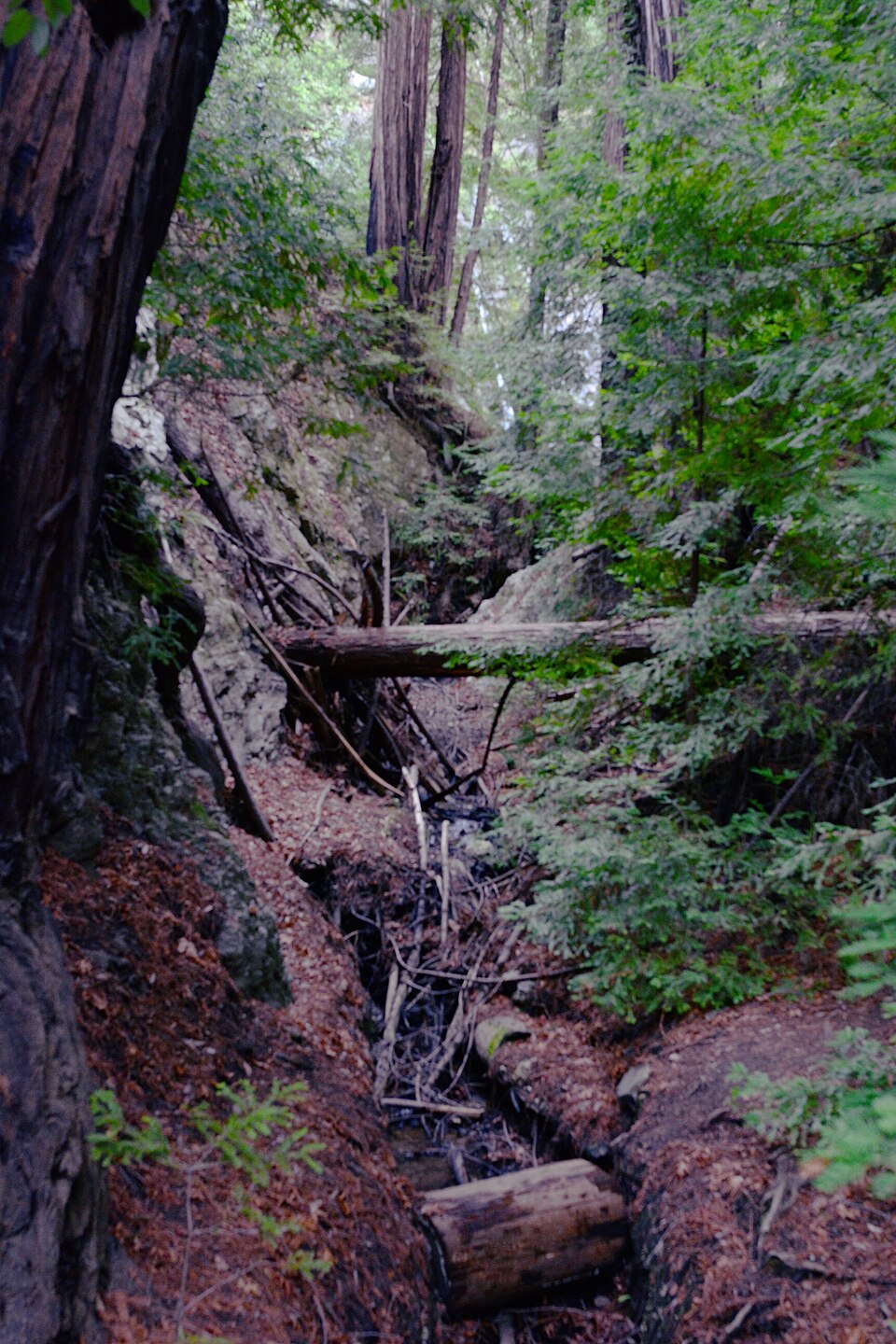
Winter can be beautiful in Big Sur, with quiet forest walks between storms and powerful surf viewed from well back on established overlooks. It is also the season when rain, landslides, and road damage can most disrupt a coastal itinerary. A closure may prevent a through-drive on Highway 1, even if parts of the region remain accessible.
Choose flexible reservations and a lodging base you can reach using currently open roads. Avoid scheduling a tight airport connection after a long coastal drive. During heavy weather, skip exposed trails and beaches. Check official park notices and Caltrans updates before departure and again before driving; do not rely solely on a navigation app.
 Step 5
Crowds, Reservations, and Choosing Your Dates
For a balanced first visit, aim for two to four days in late spring or early fall, ideally including weekdays. Summer weekends and holidays draw heavier demand, but popular campgrounds and distinctive lodging can fill during other seasons too. Once your dates are firm, prioritize the overnight reservation before building a detailed sightseeing schedule.
Booking windows differ by campground and accommodation, so check the official California State Parks reservation information or the property’s own site rather than assuming one universal release date. Review cancellation terms, parking arrangements, and any separate day-use reservations. Before traveling, confirm current conditions on official park sites and check Caltrans for Highway 1 access.
More ways to book Big Sur
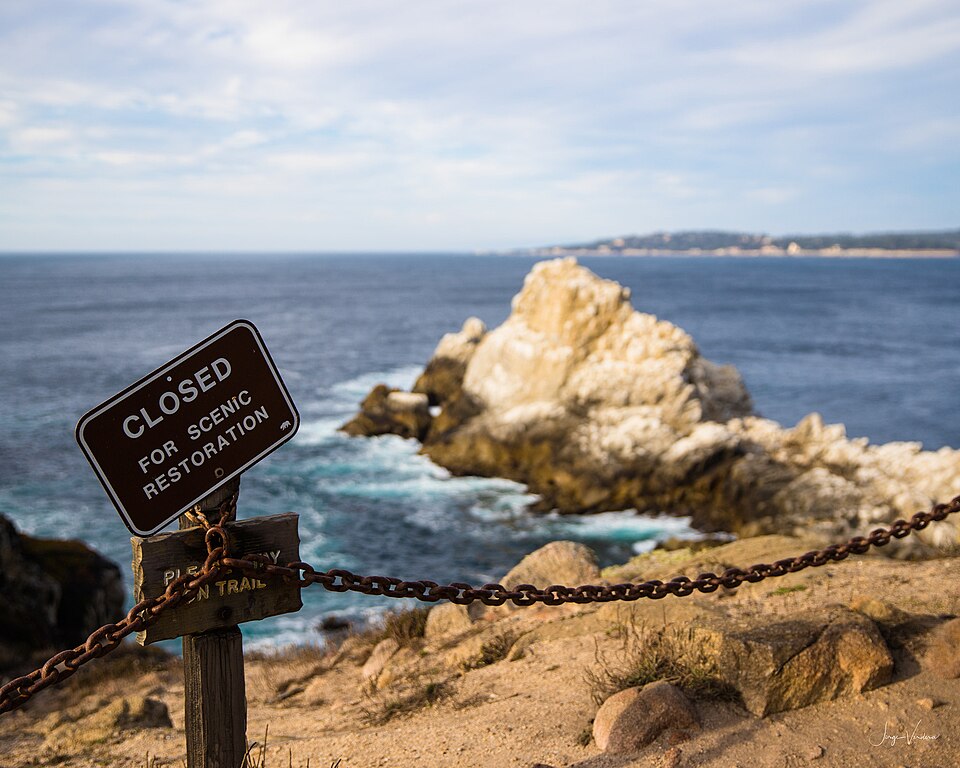
Point Lobos Coastal Hike
Wildlife you can actually see from the trail, not through glass.
Varies (estimate)
Quick answers about Big Sur
What month is best to visit Big Sur?
Most visitors find April – June, September – October the best window for Big Sur, with the most reliable weather and access.
When should you avoid visiting Big Sur?
Outside April – June, September – October, weather and seasonal closures can limit roads, trails and services. Check current conditions before booking.
Do you need to book Big Sur in advance?
Not always, but booking ahead is recommended for Big Sur, especially in peak season.
Airport car & SUV rentals

- ✓ Compare suppliers at MRY
- ✓ Free cancellation on many rates
Standard car rentals at MRY
Est. from $45/day · typical rate
Pick your dates and vehicle class.
Compare rates at MRY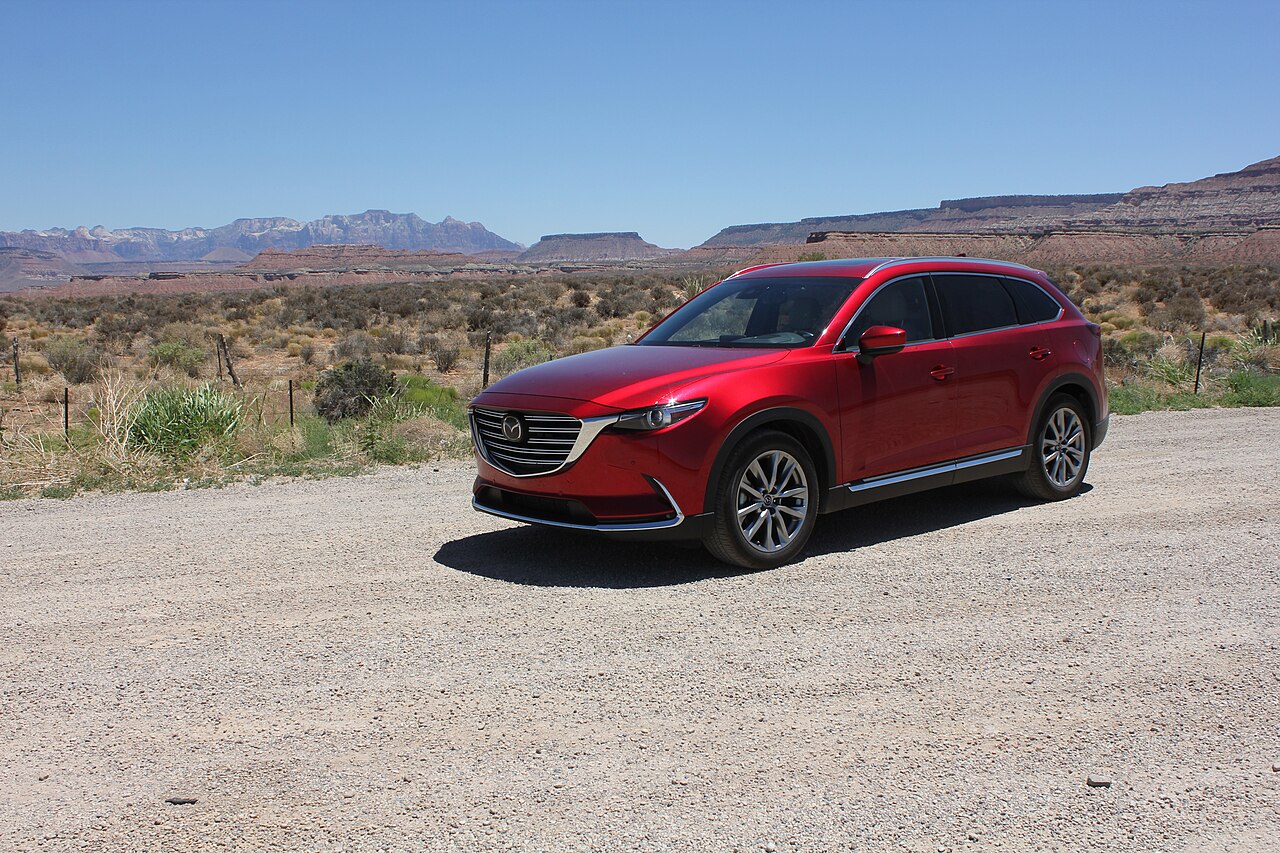
- ✓ Compare suppliers at MRY
- ✓ Free cancellation on many rates
SUV rentals at MRY
Est. from $55/day · typical rate
Pick your dates and vehicle class.
Compare rates at MRYViator
Tours & experiences near Big Sur
Explore guided activities around Big Sur. Check the meeting point, dates and availability on Viator before booking.
Open tour listings separately