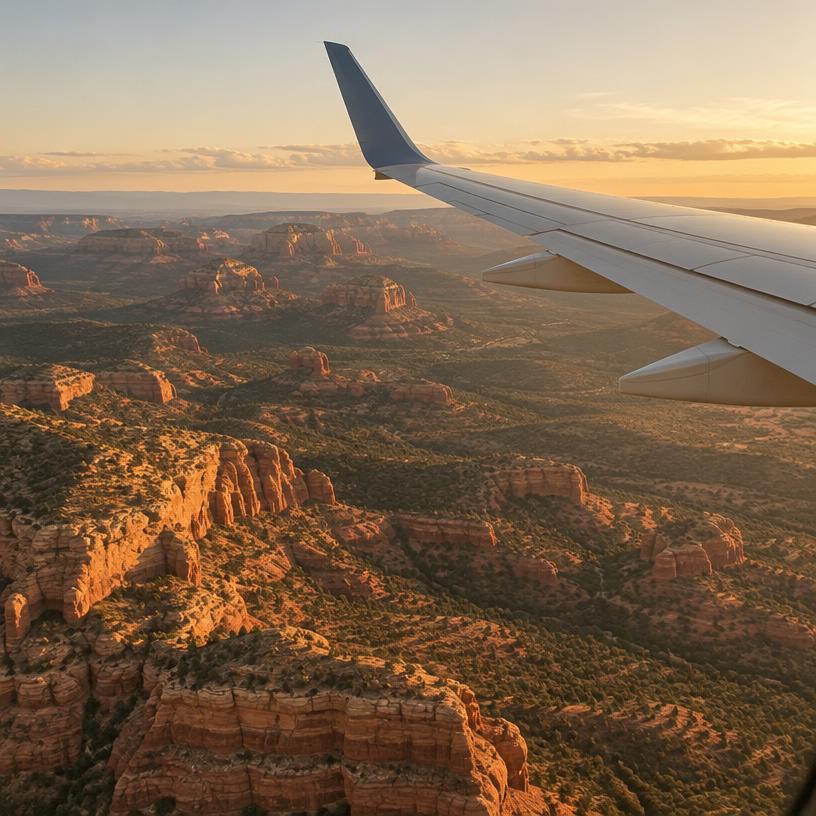
 Arrival airport
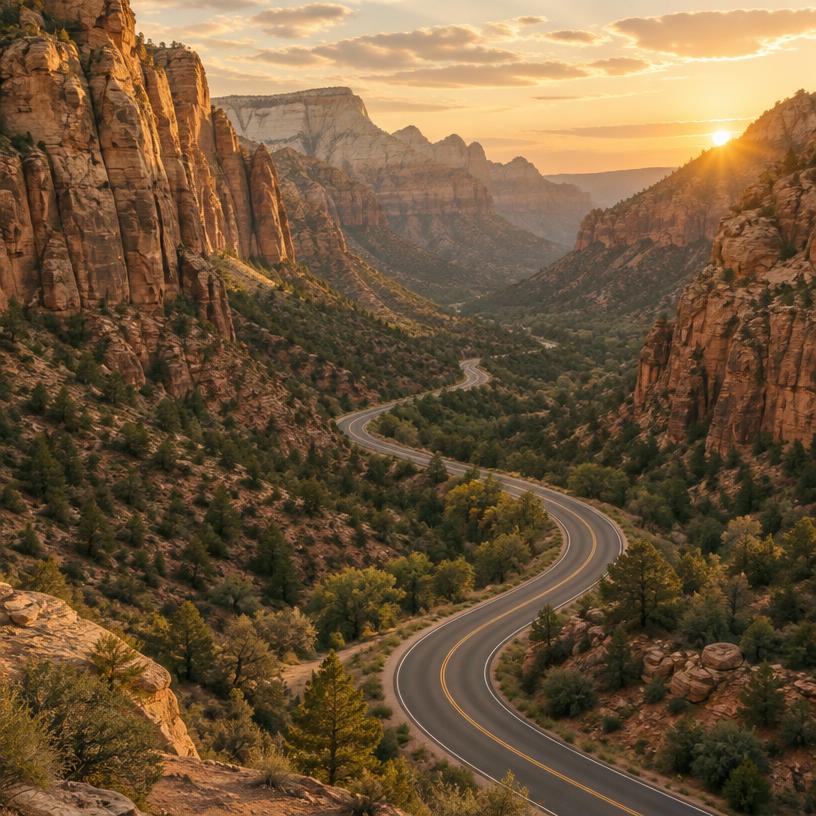 Airport drive
 Reservation demand
 Best season
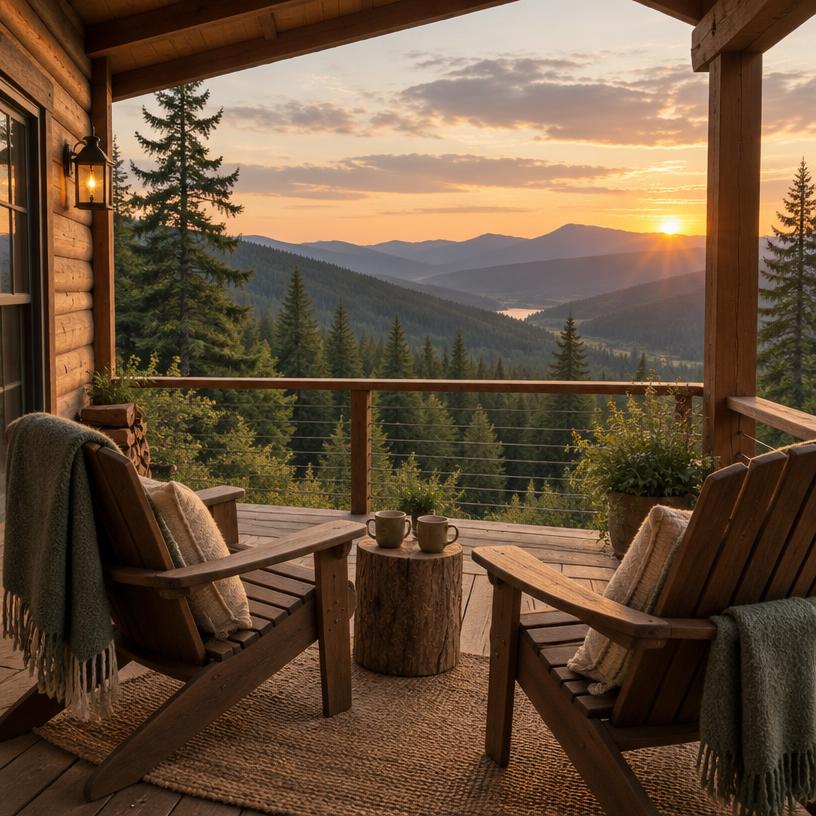
Big Sur glamping puts a softer landing between days of coastal driving and forest walking, whether that means a furnished tent, a simple cabin, or another nature-focused stay. Comfort levels vary widely, especially when it comes to bathrooms, heat, and cooking. For a two- to four-day trip, choose your location around the roads and parks you can actually reach, then check exactly what your reservation includes.
 Step 1
What Glamping Looks Like Around Big Sur
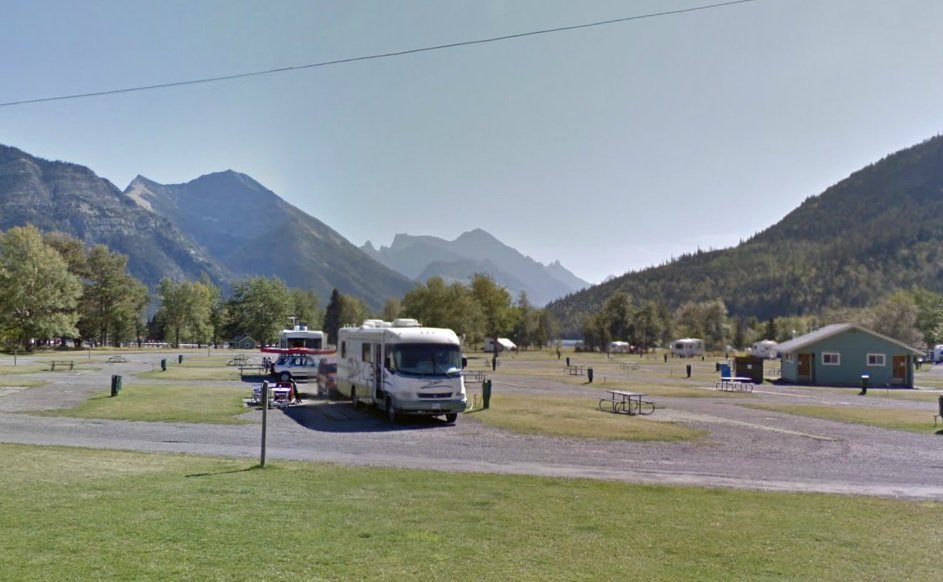
Around Big Sur, glamping generally means sleeping close to the outdoors without bringing a complete camping setup. Options may include furnished canvas tents, rustic cabins, and other prepared accommodations. The label itself does not establish a standard: one stay might include a private bathroom and heat, while another relies on shared facilities and extra blankets.
Before booking, confirm the bed setup, linens, electricity, bathroom distance, drinking water, and cooking arrangements. Ask whether the unit is weatherproof or simply sheltered, and review any minimum-stay rules. Expect glamping to cost more than a basic campsite in many cases, but compare the total estimated stay cost rather than assuming every furnished tent is a budget option.
 Step 2
Where to Look: Big Sur, Carmel, and Nearby Bases
Start with the Big Sur valley and nearby Highway 1 corridor if your priority is spending less time driving to redwood walks and central coastal stops. Staying within the region can make an early start easier, but accommodations are scattered and availability can be limited. Check the exact location rather than relying on a listing’s broad use of “Big Sur.”
Carmel-by-the-Sea, Carmel Valley, and the Monterey area offer alternative bases to investigate for cabins, campgrounds, or outdoor-oriented stays. These areas generally mean more driving to Big Sur, and inland Carmel Valley has a different climate from the foggy coast. Confirm that your chosen property and sightseeing plans sit along currently accessible routes.
 Step 3
Choose a Season and Reserve With Weather in Mind
April through June and September through October are appealing windows for a glamping trip, with good opportunities to combine outdoor time and a comfortable place to retreat. Summer brings stronger demand and coastal fog, while spring can still bring rain. Even during warmer months, evenings may feel cool in shaded canyons or near the ocean.
Reserve popular weekends early, following the accommodation’s actual booking calendar, and read cancellation terms carefully. For winter stays, verify heating, wet-weather access, and the property’s approach to storm-related disruptions. Before departure, check official California State Parks pages for nearby recreation conditions and Caltrans for Highway 1 access. Do not assume a confirmed room means every approach road is open.
 Step 4
Pack for Damp Mornings and Simple Outdoor Living
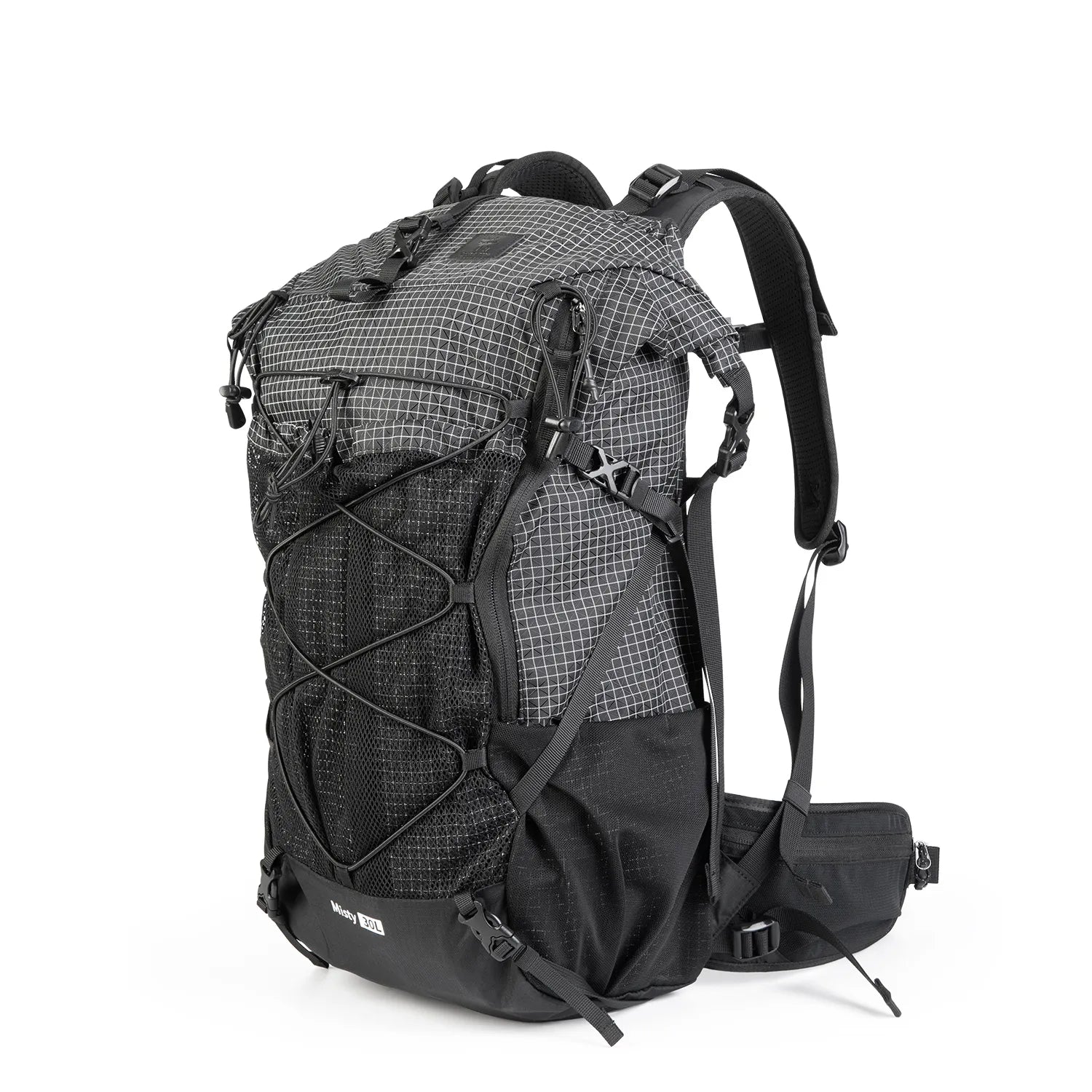
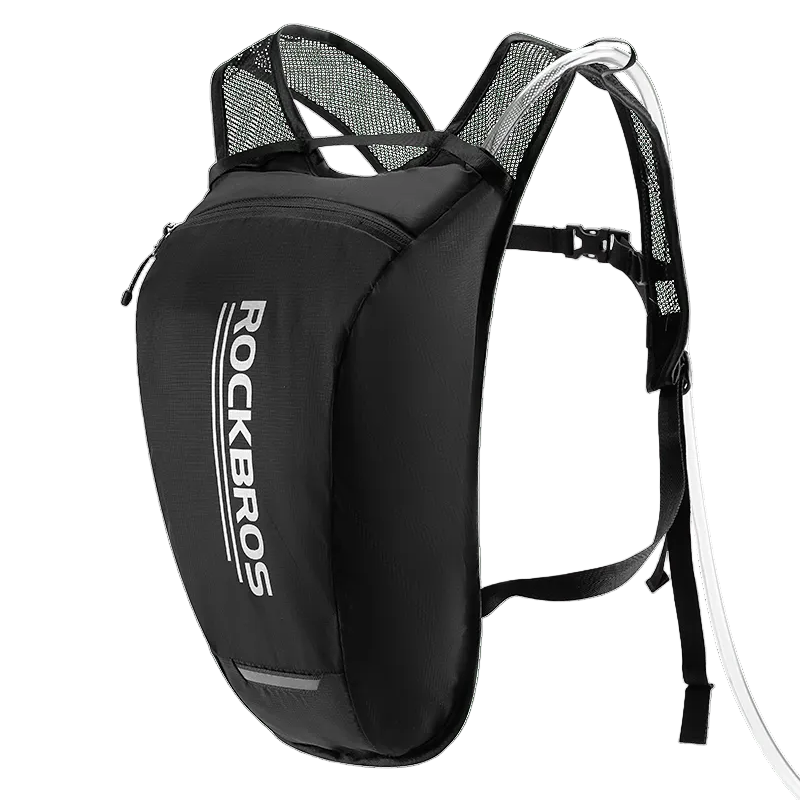
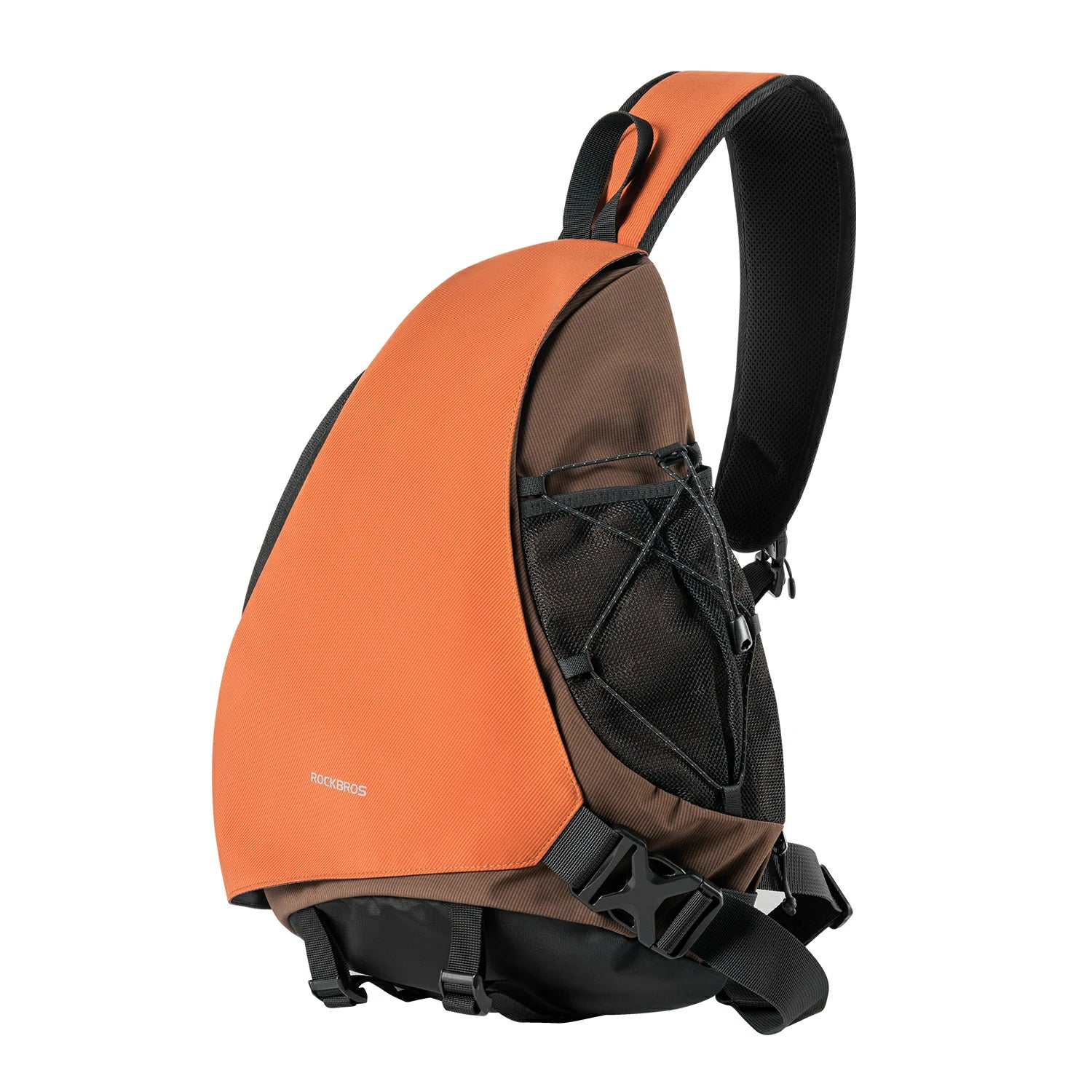
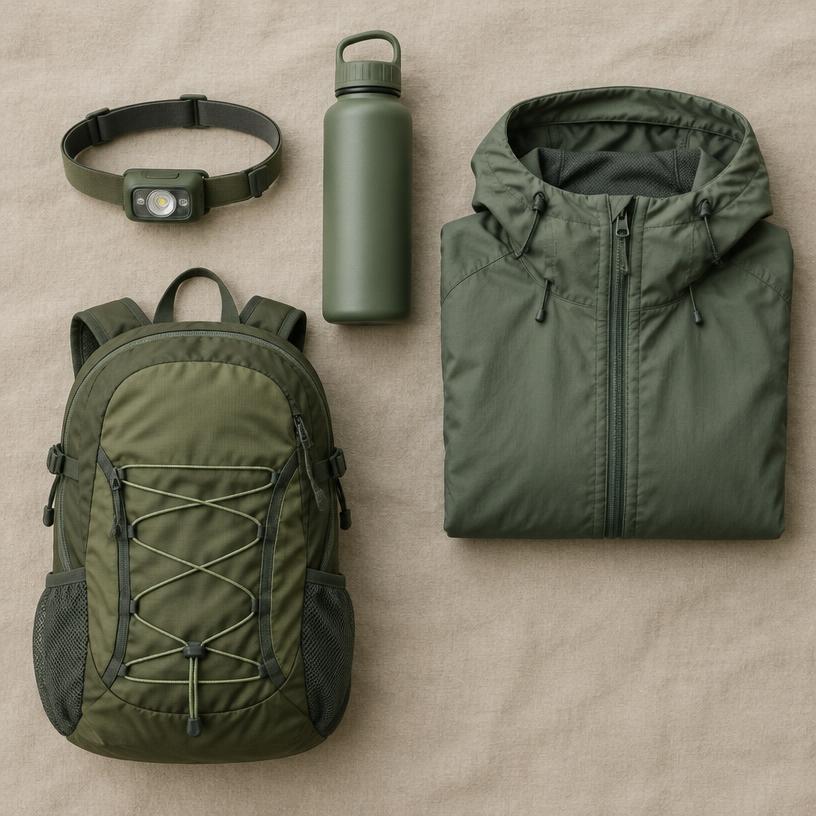
Bring layered clothing, a rain shell, warm socks, and comfortable walking shoes with useful traction. A headlamp is handy for paths between your unit and shared facilities, even if the accommodation has electricity. Pack a reusable water bottle, sun protection, toiletries, and any towels or bedding that the property does not supply.
Download maps and reservation details before arrival, and bring a charged power bank. If you plan to cook, confirm the actual equipment and current fire restrictions rather than assuming a grill or campfire will be available. Store food according to property and park rules, never inside an unsecured tent. Earplugs can help with nearby campers, road noise, or unfamiliar nighttime sounds.
Step 5Glamping vs. Tent Camping vs. an RV
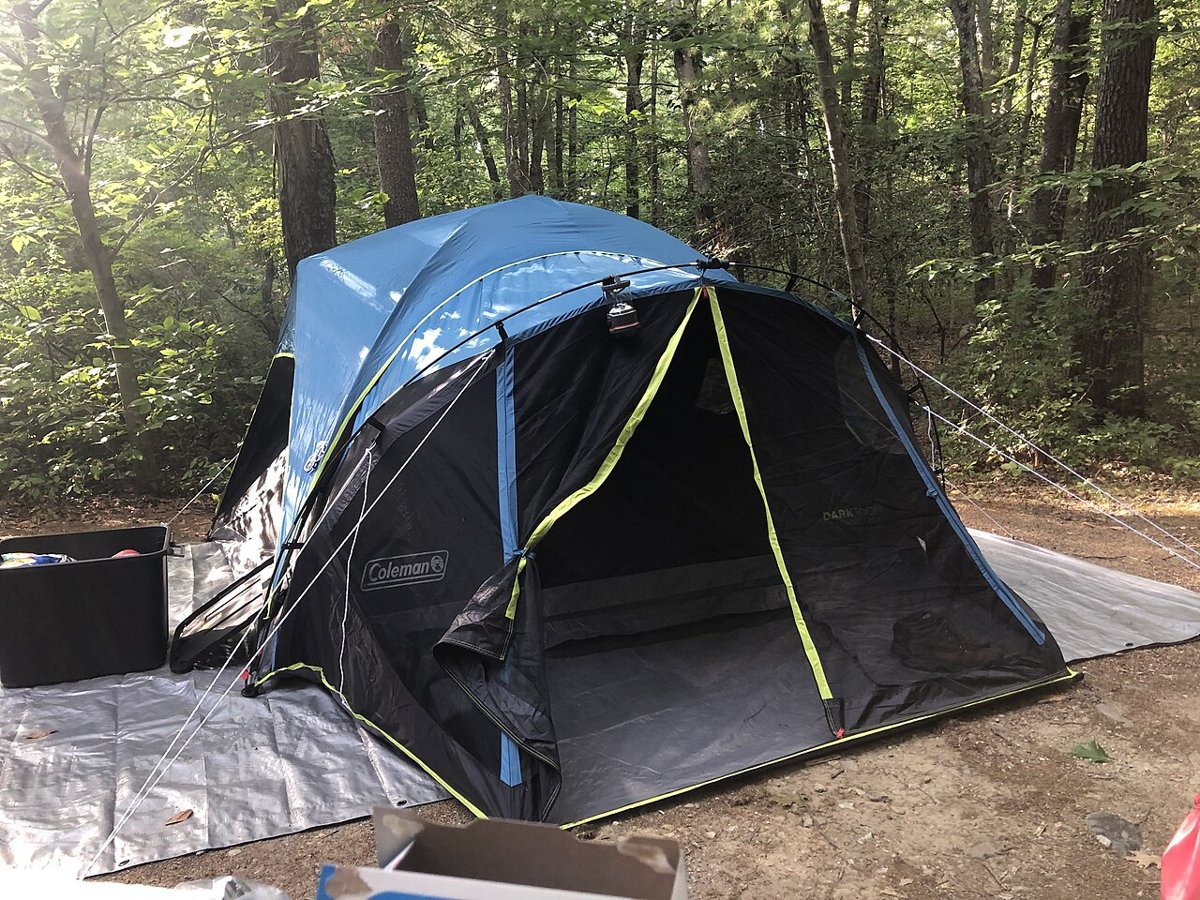
Choose glamping if you want less setup and a real bed, while accepting that bathrooms, kitchens, or insulation may still be basic. Tent camping usually requires more gear and weather preparation, but can offer a lower-cost stay; campsite fees and equipment expenses vary. Check official campground reservation details, site dimensions, and amenities before booking either style.
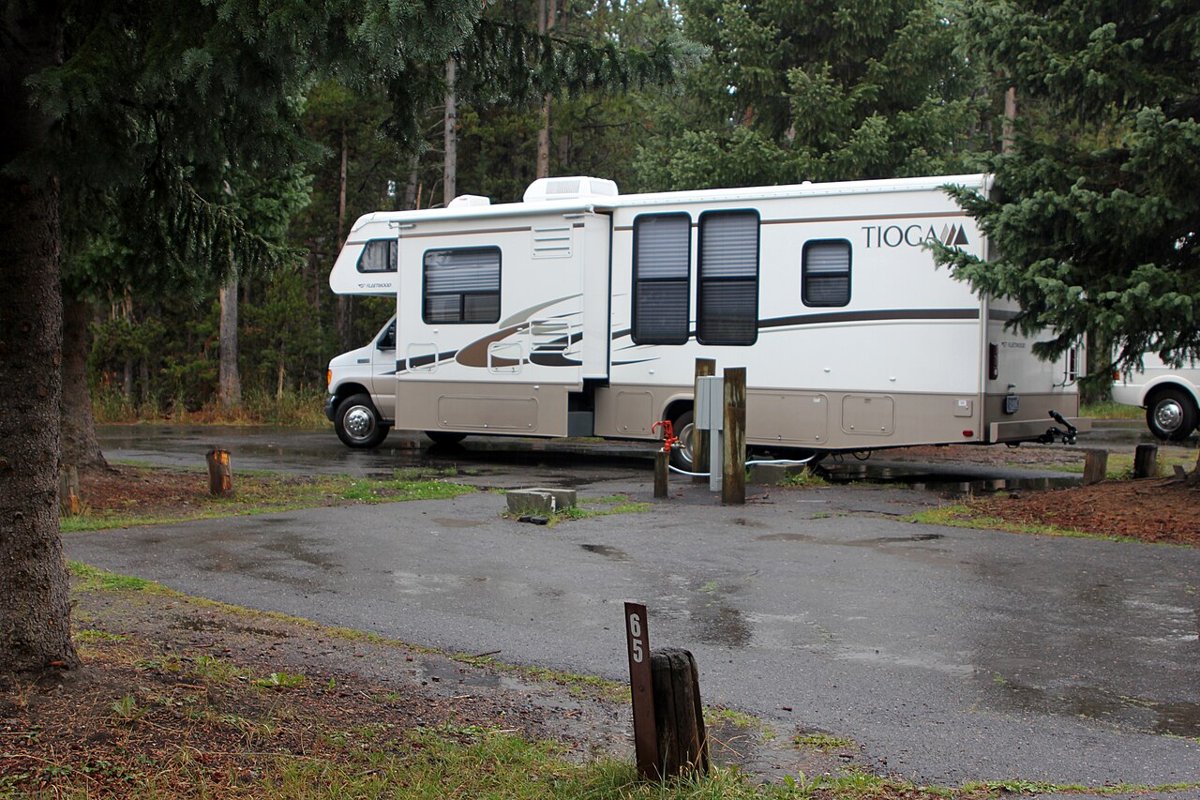
An RV gives you a mobile sleeping space, but Big Sur’s winding roads, restricted parking, and campground size limits require careful planning. Confirm vehicle-length limits, hookups, and access directly with the campground, and check road restrictions. Do not assume roadside overnight parking is permitted. Compare total rough costs, including vehicle rental, fuel, supplies, and campground charges, rather than nightly rates alone.
Quick answers about Big Sur
When is the best time to go glamping near Big Sur?
April – June, September – October offers the most comfortable glamping weather near Big Sur.
How do you get to glamping near Big Sur?
Fly into MRY, about 1 h 1 min away by car, then drive — most sites need a car.
Do glamping sites near Big Sur sell out?
Yes, popular sites often book out months ahead in peak season, so reserve early.
Airport car & SUV rentals
- ✓ Compare suppliers at MRY
- ✓ Free cancellation on many rates
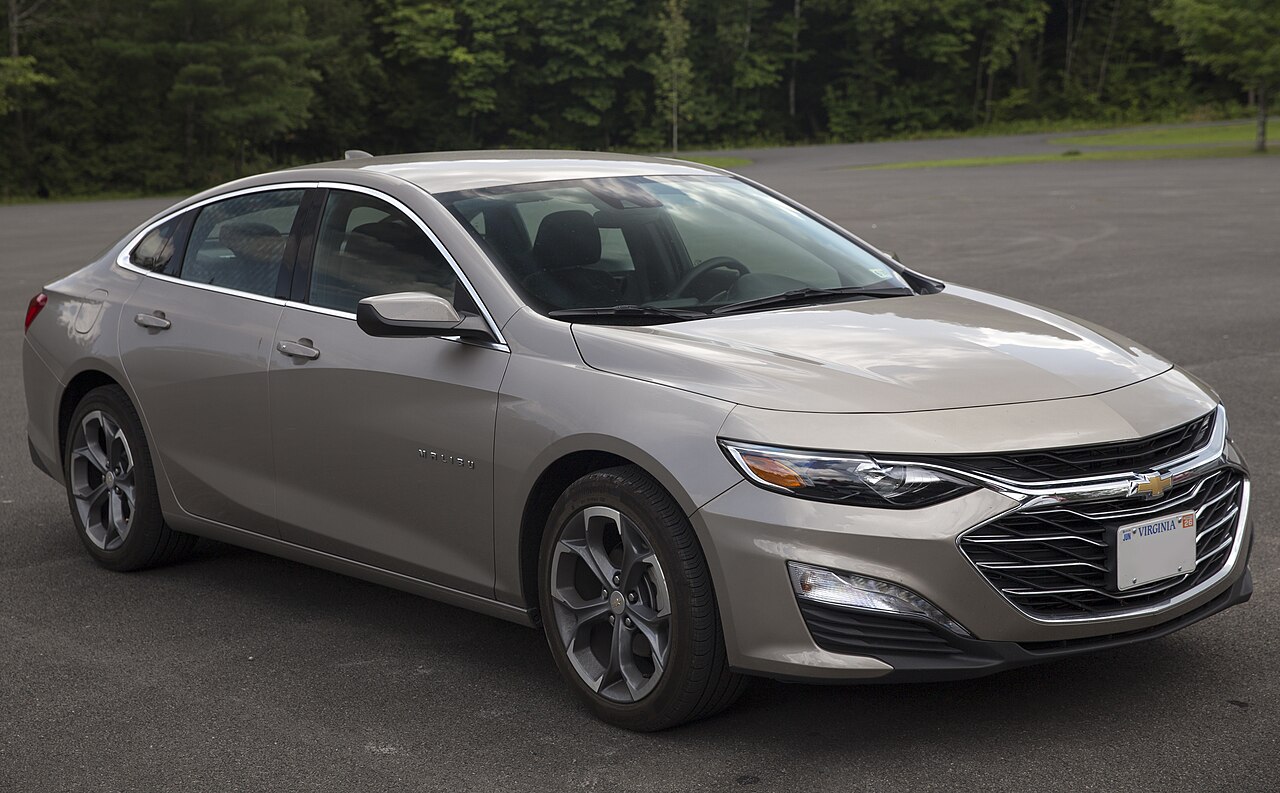
Standard car rentals at MRY
Est. from $45/day · typical rate
Pick your dates and vehicle class.
Compare rates at MRY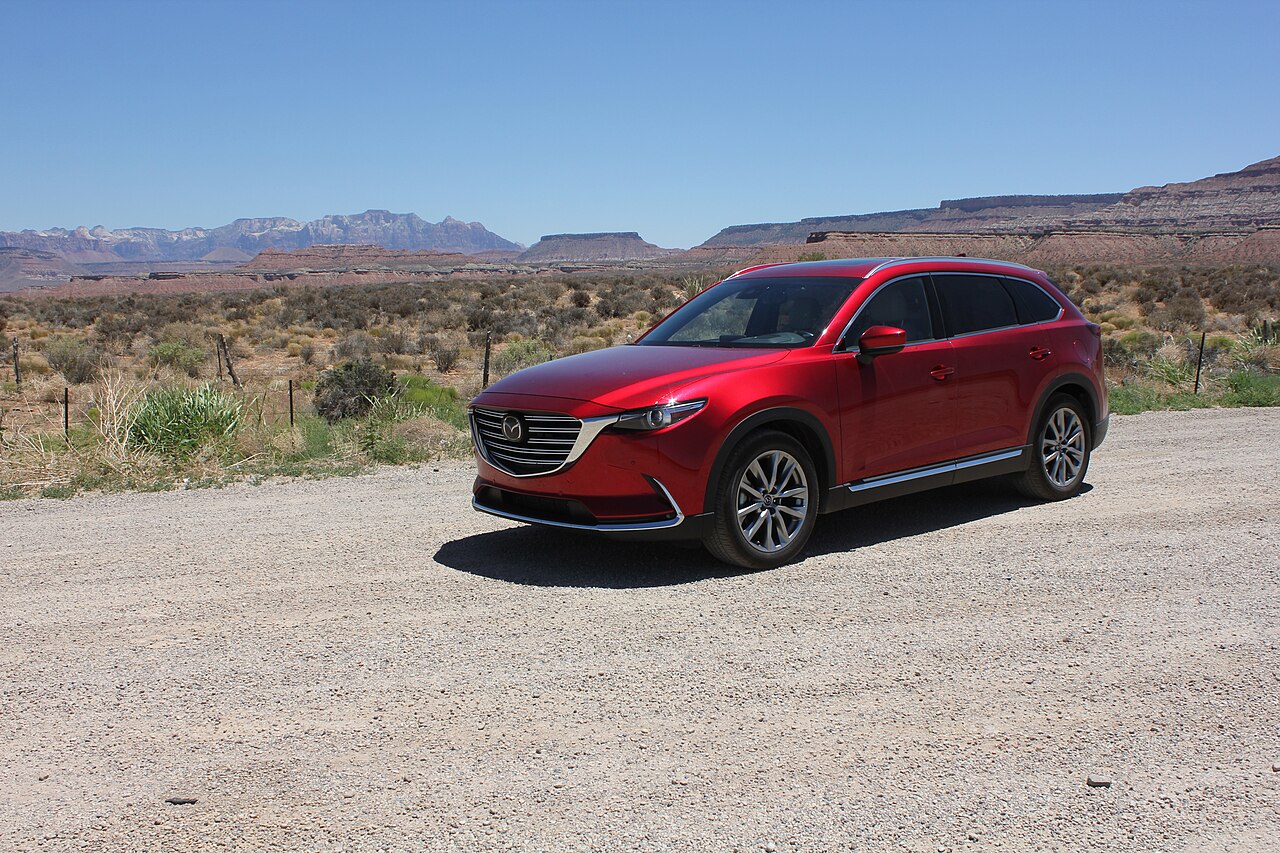
- ✓ Compare suppliers at MRY
- ✓ Free cancellation on many rates
SUV rentals at MRY
Est. from $55/day · typical rate
Pick your dates and vehicle class.
Compare rates at MRYViator
Tours & experiences near Big Sur
Explore guided activities around Big Sur. Check the meeting point, dates and availability on Viator before booking.
Open tour listings separately