 Arrival airport
 Airport drive
 Reservation demand
 Best season
Delaware Water Gap offers more than a single overlook: the national recreation area follows the Delaware River through a broad landscape of wooded ridges, waterfalls, historic places, and river access points. Although this guide starts with New Jersey, several worthwhile outings sit across the river in Pennsylvania. For a two- to four-day visit, pair one demanding hike with easier walks, a scenic drive, and time along the water.
 Step 1
Hike Mount Tammany or Mount Minsi
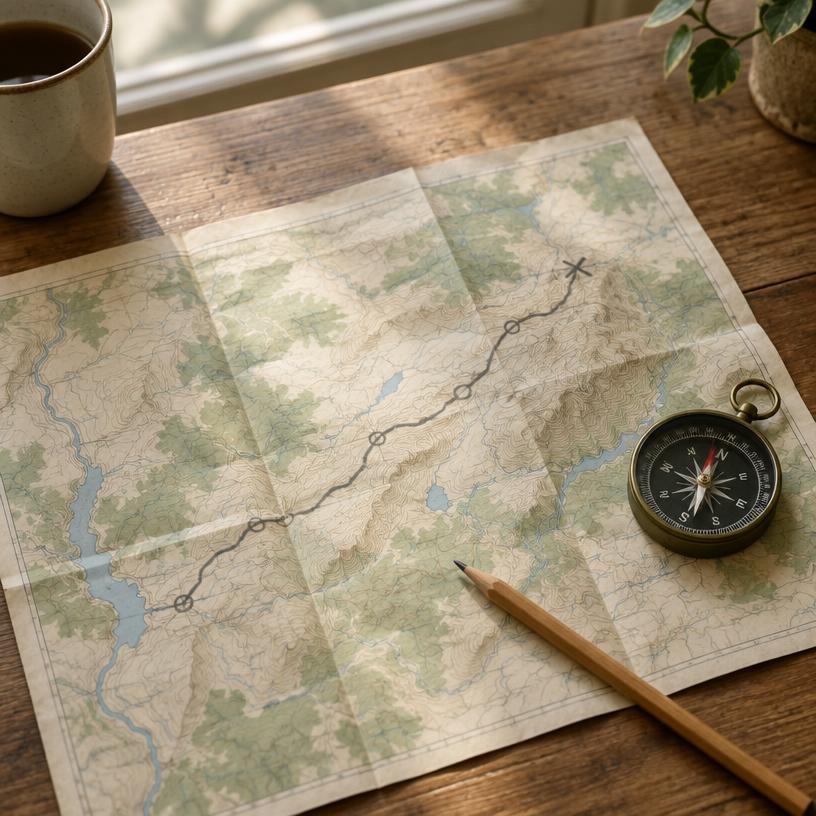
Mount Tammany is the signature New Jersey hike for views into the gap. Routes from the Dunnfield Creek area climb steep, rocky ground, so treat this as a substantial outing rather than a casual overlook stroll. Bring water, traction-minded footwear, and a downloaded trail map. Popular parking can fill quickly; use designated spaces and choose another destination if access is full rather than improvising roadside parking.
Across the river, Mount Minsi offers a Pennsylvania perspective on the same dramatic landscape. The Appalachian Trail passes through this area, making it possible to experience a short portion of the long-distance route without planning an overnight trek. For most first visits, choose one mountain rather than attempting both on the same day. Leave room for breaks and weather changes, and check the official NPS trail information before setting out, particularly after storms or during icy conditions.
 Fall
Visit Waterfalls and Walk the River Corridor
The Pennsylvania side holds several of the area's well-known waterfall destinations. Dingmans Falls is associated with a boardwalk approach, while Raymondskill Falls offers a different outing with uneven terrain and steps. These are separate stops, not neighboring viewpoints reached from one parking lot. Check current access arrangements before driving, since closures or seasonal traffic management can change how you reach them.
For a gentler counterpoint, explore a suitable section of the McDade Recreational Trail, which runs along the Pennsylvania side of the recreation area. Its changing surroundings include woods, fields, and river landscapes, but surfaces and grades vary by segment. Pick a trailhead based on the distance and terrain your group wants rather than assuming the entire route is flat. Keep waterfall viewing to designated trails and platforms, and do not plan on swimming at waterfall sites. Wet rock and stream edges demand careful footing.
 Step 3
Paddle, Picnic, and Watch for Wildlife
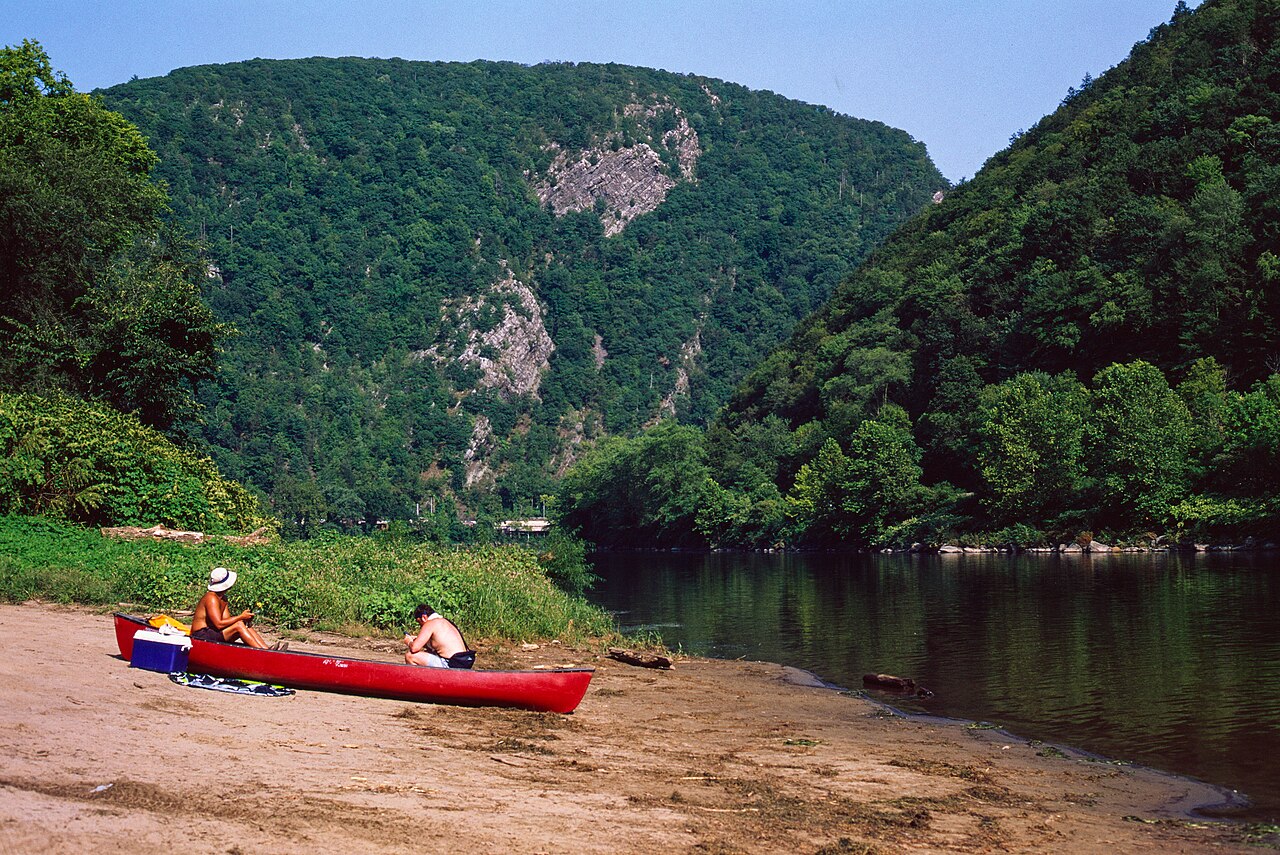
The Delaware River is central to the park experience, whether you paddle a planned stretch or simply spend an afternoon at a designated access area. A point-to-point paddling trip requires more preparation than a lakeside rental: you need an appropriate launch, a takeout, transportation between them, and an understanding of current river conditions. Established outfitters can help organize those logistics, but confirm exactly what equipment and transportation are included.
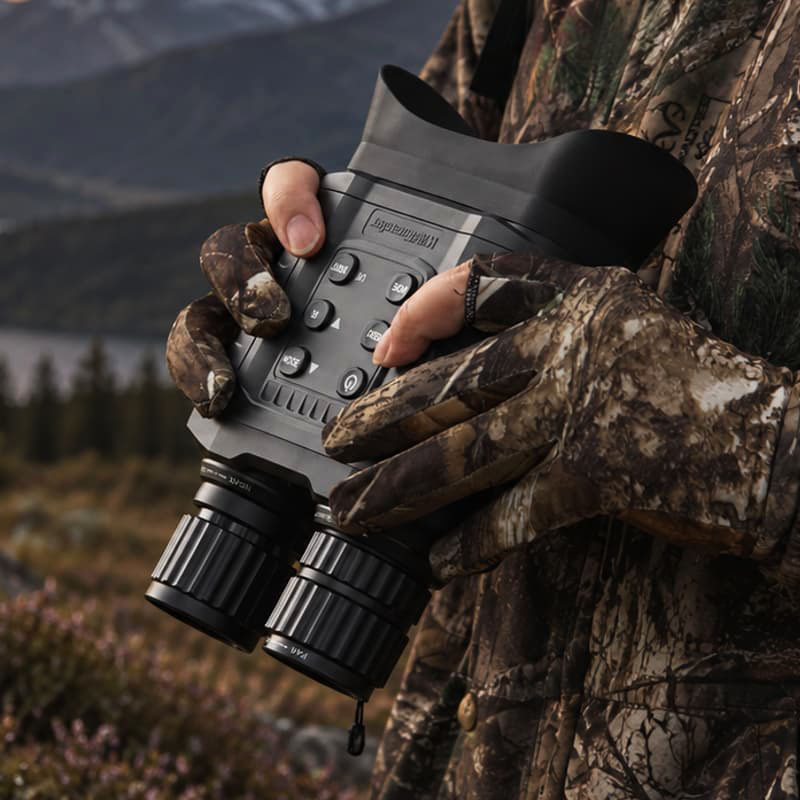
Wear a properly fitted life jacket and consult official river alerts before launching. For a land-based day, bring a picnic to an open recreation area and watch the river from shore. Bald eagles and other birds use this corridor, though sightings are never assured. Binoculars make wildlife viewing more rewarding without approaching animals. Black bears also live in the region, so secure food and scented items according to park or campground rules and never leave picnic scraps behind.
 Step 4
Take a Scenic Drive with Kid-Friendly Stops
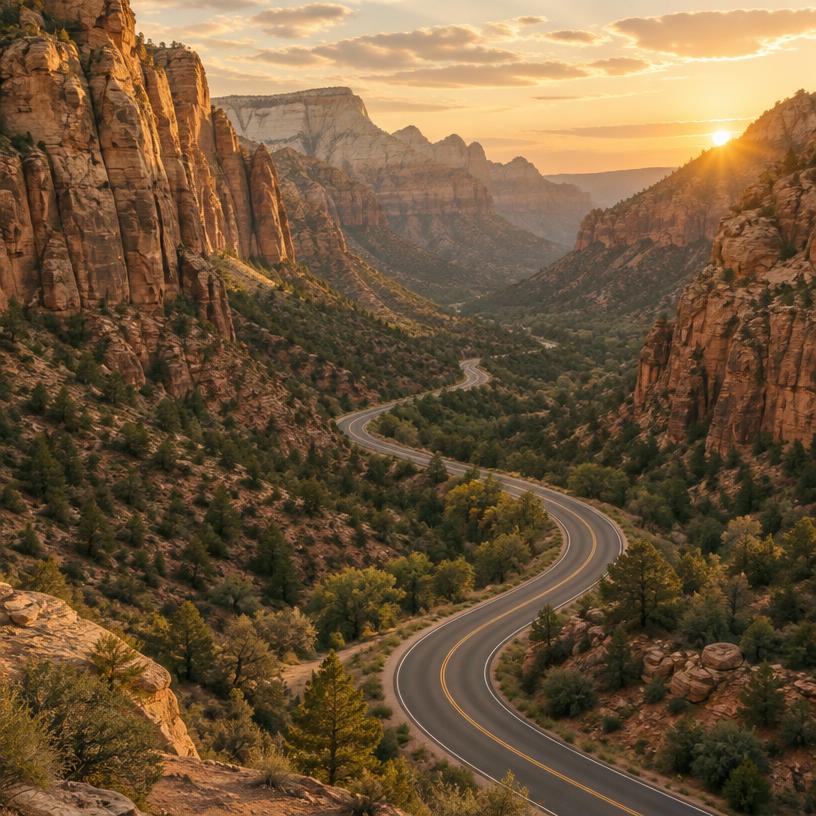
Old Mine Road follows parts of the New Jersey side of the park and connects a landscape of forest, river access, and historic sites. It is better approached as a slow exploratory drive than a fast through-route. Check for closures first, download directions, and select two or three stops rather than assuming every mapped road or facility will be open.
For families, alternate driving with short walks and a picnic instead of building the day around a steep summit. Millbrook Village provides an outdoor historic setting when grounds access is available, though building openings and programs are not something to assume. On the Pennsylvania side, the Dingmans Falls approach may suit a shorter family outing when open; verify its current accessibility details if using a stroller or mobility device. Bring snacks, spare layers, and a backup destination. Restrooms, drinking water, and visitor services are not available at every pullout.
Step 5Make a Realistic Rainy-Day Plan
Light rain can work for a brief woodland walk if there are no closure notices or hazardous conditions, but steep rock climbs and waterfall stairs are poor default choices during heavy rain. Rising streams and thunderstorms can also disrupt plans well beyond the period of active rainfall. Check current NPS alerts before deciding that a scenic drive or river outing is a suitable substitute.
For a mostly indoor day, shift to nearby communities such as Stroudsburg, East Stroudsburg, Milford, or Blairstown. Look for local history exhibits, shops, libraries, or a relaxed meal, checking individual venues for current hours rather than expecting park buildings to be open. Keep your plan geographically compact so you are not crossing the region repeatedly in bad weather. If conditions improve, finish with a short stop at an officially open river access area. Saving your main mountain hike for a clearer day usually creates a better trip.
Quick answers about Delaware Water Gap National Recreation Area
What are the top things to do in Delaware Water Gap National Recreation Area?
Highlights include Hike Mount Tammany or Mount Minsi, Visit Waterfalls and Walk the River Corridor, Paddle, Picnic, and Watch for Wildlife, Take a Scenic Drive with Kid-Friendly Stops.
How much time do you need to see Delaware Water Gap National Recreation Area?
Plan 2–3 days to cover the main sights at a comfortable pace.
When is the best time for activities in Delaware Water Gap National Recreation Area?
May – October usually offers the widest choice of open activities and tours.
Airport car & SUV rentals

- ✓ Compare suppliers at ABE
- ✓ Free cancellation on many rates
Standard car rentals at ABE
Est. from $45/day · typical rate
Pick your dates and vehicle class.
Compare rates at ABE
- ✓ Compare suppliers at ABE
- ✓ Free cancellation on many rates
SUV rentals at ABE
Est. from $55/day · typical rate
Pick your dates and vehicle class.
Compare rates at ABEViator
Tours & experiences near Delaware Water Gap National Recreation Area
Explore guided activities around Delaware Water Gap National Recreation Area. Check the meeting point, dates and availability on Viator before booking.
Open tour listings separately