 Arrival airport
 Airport drive
 Reservation demand
 Best season
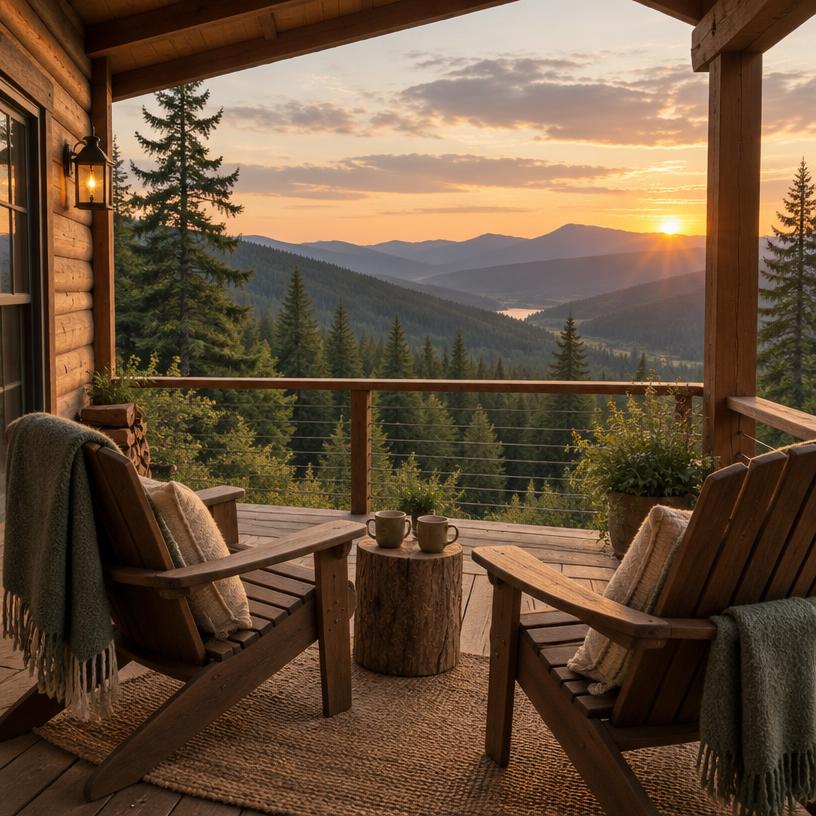
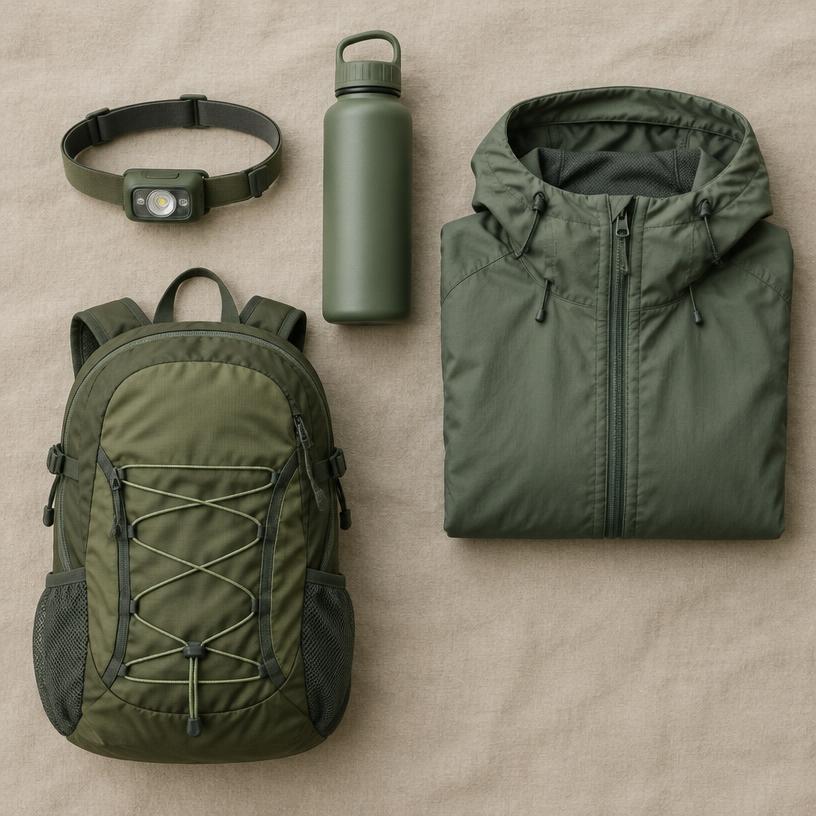
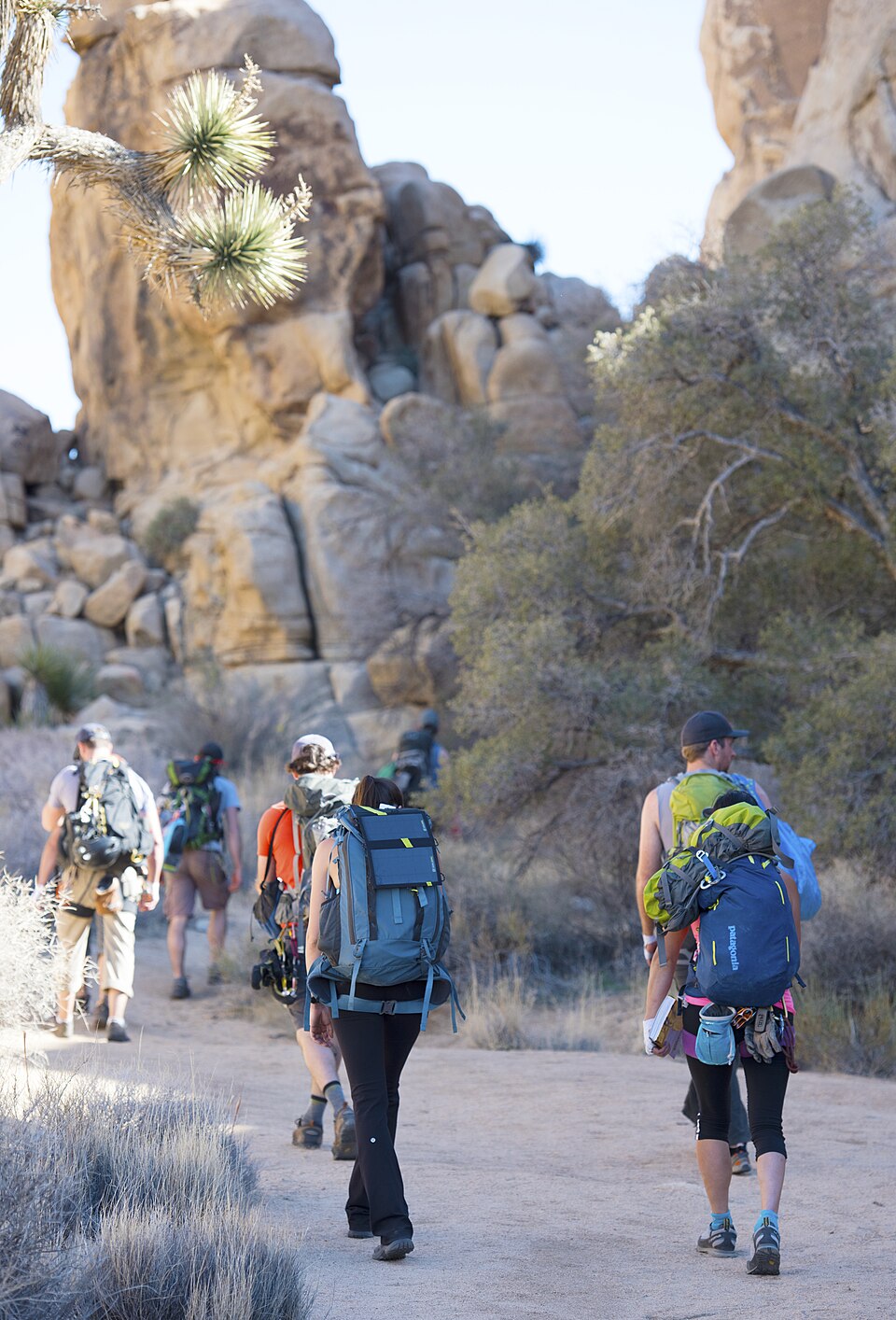
The most memorable things to do in Joshua Tree are often simple: walk between enormous boulders, notice how the desert changes with elevation and stay long enough to watch the stars emerge. A good visit combines a few established trails with scenic pullouts rather than trying to cover every corner of the park. Give yourself generous driving time, bring your own water and let the weather set the pace of each day.
 Step 1
Start with the Park's Signature Landscapes
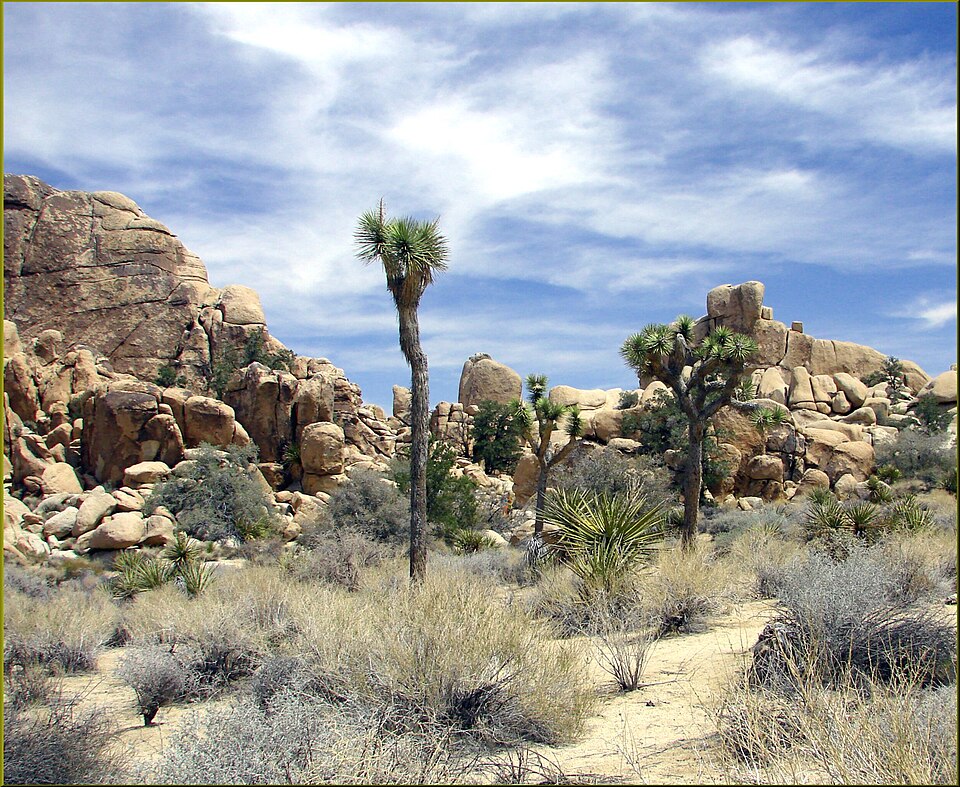
Hidden Valley is a natural introduction to Joshua Tree's boulder formations and desert vegetation. Its roughly one-mile loop offers a compact look at the scenery that draws visitors here, though the uneven trail still calls for sturdy footwear and water. Skull Rock is another recognizable stop, with nearby walking options if you want more than a quick roadside view.
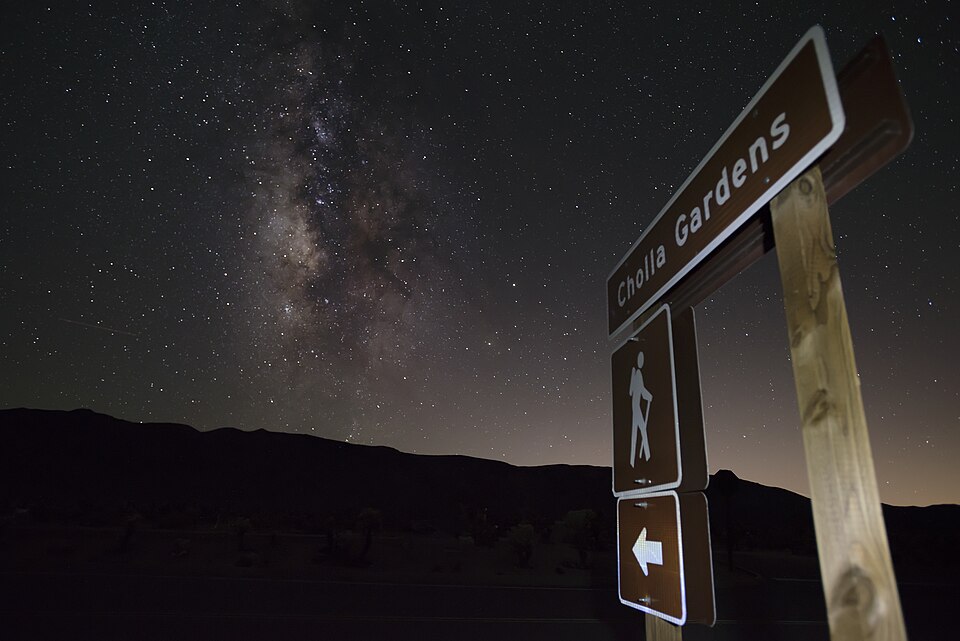
Keys View offers a broad overlook toward the Coachella Valley when visibility cooperates. Pair it with stops along Park Boulevard rather than crossing the park repeatedly. For stargazing, use an established campground or appropriate designated parking area after dark, keep lights low and bring a warm layer. Clear skies are never guaranteed.
 Step 2
Choose a Hike or Build a Scenic Drive
Barker Dam is a relatively short loop with rock formations and a glimpse of the area's human history. The reservoir may be dry, so treat any water as a seasonal possibility rather than the reason to go. For a more demanding outing, Ryan Mountain climbs steadily to a broad summit view and is better suited to cool conditions than hot afternoons.
A drive toward the Cholla Cactus Garden reveals a different desert landscape from the Joshua tree woodlands of the higher western park. Stay on designated routes and give cactus spines plenty of space. Distances between stops add up, so check a park map and group sights geographically. Review current trail and road conditions on the official NPS site.
 Step 3
Look for Wildlife, Not Swimming Spots
Joshua Tree is a place to observe desert life rather than seek out lakes or swimming holes. You may notice lizards, ravens, jackrabbits or other animals, particularly when temperatures are milder. Desert tortoises and bighorn sheep live in the region, but sightings are not something to build an itinerary around.
Watch from a distance, never feed wildlife and leave animals an unobstructed path. Keep food and trash secured, including at picnic stops and campsites. Natural water is scarce and important to wildlife; do not enter or disturb it. Bring drinking water with you and verify refill locations before setting out. A quiet pause along an established trail often reveals more activity than a hurried walk.
 Step 4
Keep Family Days Short and Hands-On
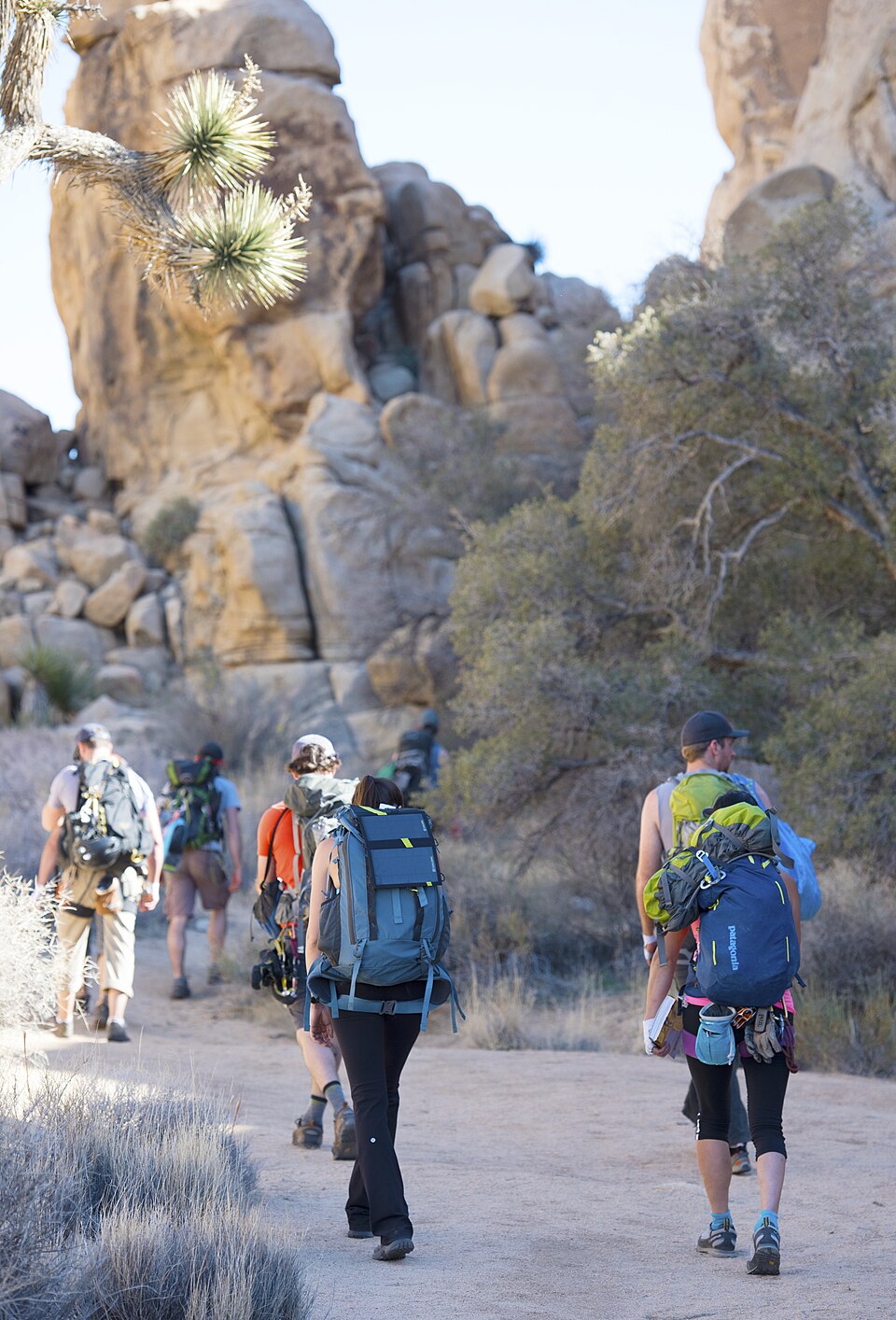
With kids, choose one short trail and several flexible stops instead of stacking multiple hikes. Hidden Valley can work well for families comfortable with uneven footing, while roadside viewpoints offer a break from walking. Boulders invite exploration, but scrambling is not the same as walking a trail: supervise closely and avoid climbs with exposed drops or uncertain ways down.
Ask at a visitor center about the park's Junior Ranger program and current family activities. Simple observation games also travel well: look for different cactus shapes, listen for birds or compare shaded and sunlit rock surfaces without disturbing plants or animals. Pack snacks, extra water, hats and layers, and turn back before tired children make the return walk difficult.
Step 5Have a Rainy-Day and Windy-Day Backup
Rain changes a desert visit quickly. Washes and low road crossings can flood, and thunderstorms may bring lightning, so do not treat wet weather as an automatic opportunity for uncrowded hiking. Never drive through floodwater. Check the official park website for alerts and ask rangers about conditions before committing to a route.
Visitor center exhibits are a useful indoor alternative when facilities are open. You can also slow down in the gateway communities of Joshua Tree, Yucca Valley or Twentynine Palms with a meal or locally available indoor activities; verify opening hours directly. Strong wind may also justify dropping exposed hikes or a campfire plan. Keep the day's schedule flexible rather than trying to salvage every outdoor stop.
Quick answers about Joshua Tree National Park
What are the top things to do in Joshua Tree National Park?
Highlights include Start with the Park's Signature Landscapes, Choose a Hike or Build a Scenic Drive, Look for Wildlife, Not Swimming Spots, Keep Family Days Short and Hands-On.
How much time do you need to see Joshua Tree National Park?
Plan 2–3 days to cover the main sights at a comfortable pace.
When is the best time for activities in Joshua Tree National Park?
October – April usually offers the widest choice of open activities and tours.
Airport car & SUV rentals

- ✓ Compare suppliers at PSP
- ✓ Free cancellation on many rates
Standard car rentals at PSP
Est. from $45/day · typical rate
Pick your dates and vehicle class.
Compare rates at PSP
- ✓ Compare suppliers at PSP
- ✓ Free cancellation on many rates
SUV rentals at PSP
Est. from $55/day · typical rate
Pick your dates and vehicle class.
Compare rates at PSPViator
Tours & experiences near Joshua Tree National Park
Explore guided activities around Joshua Tree National Park. Check the meeting point, dates and availability on Viator before booking.
Open tour listings separately