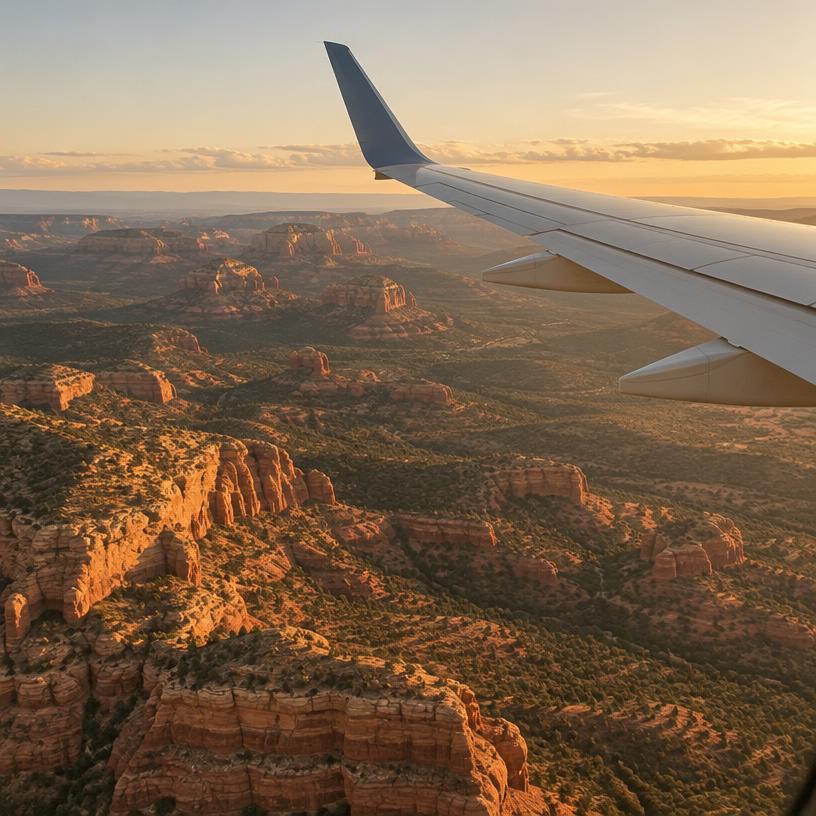
 Arrival airport
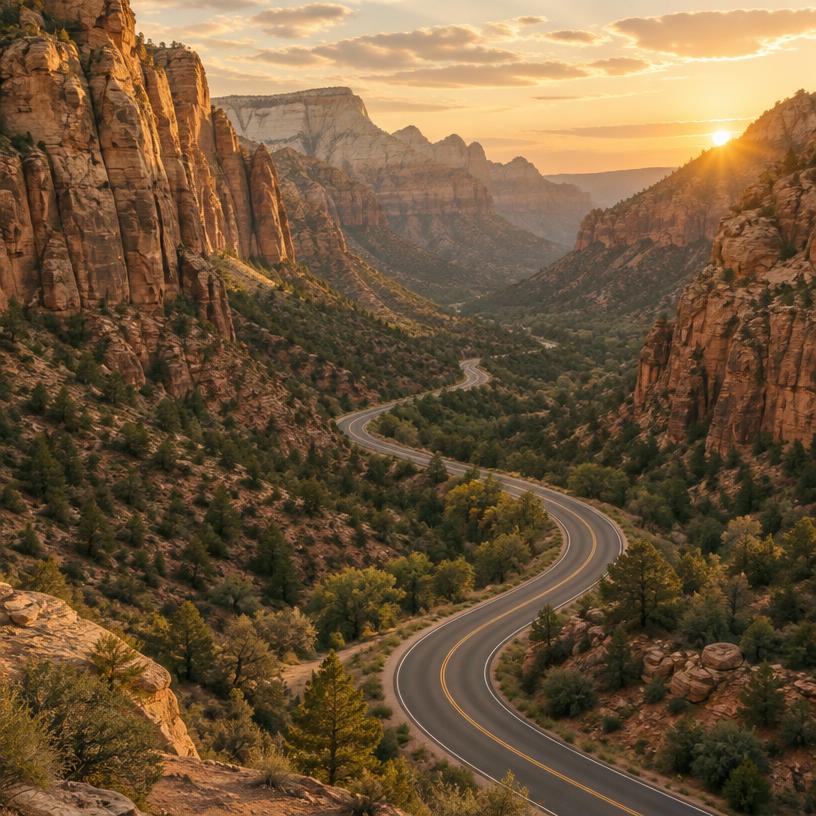 Airport drive
 Reservation demand
 Best season
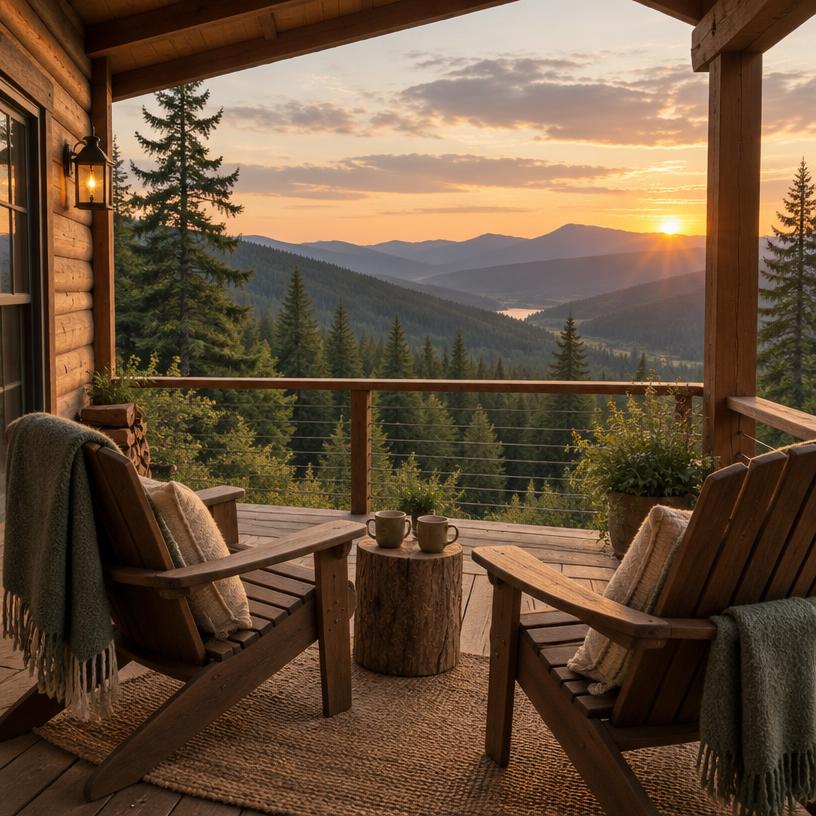
Joshua Tree glamping usually means staying outside the national park in a furnished tent, trailer, dome or other desert accommodation with more comforts than a basic campsite. The experience varies widely: one stay may have indoor plumbing and climate control, while another offers a bed but shared bathrooms and little protection from temperature swings. Choose the gateway area and practical amenities first, then let the photos help you narrow the options.
 Step 1
What Glamping Actually Looks Like Here
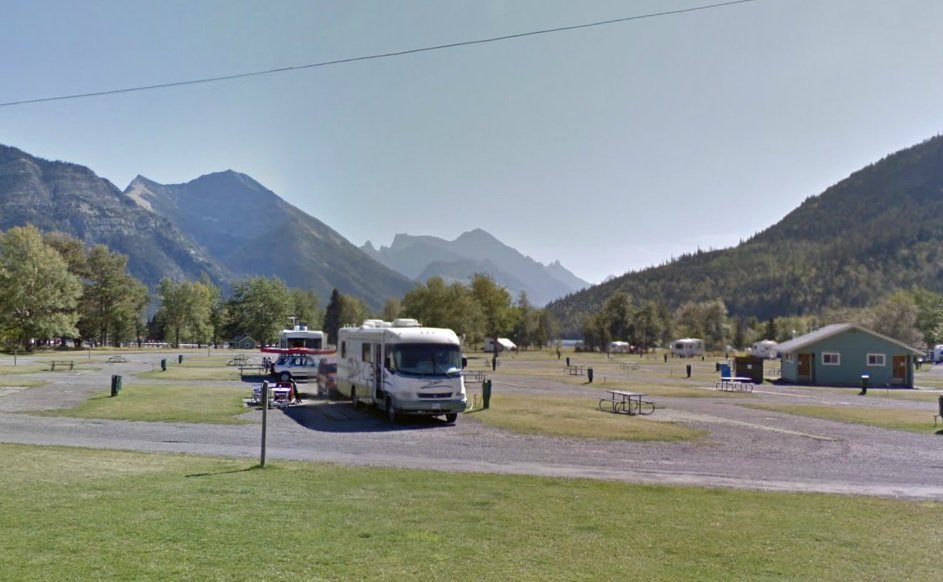
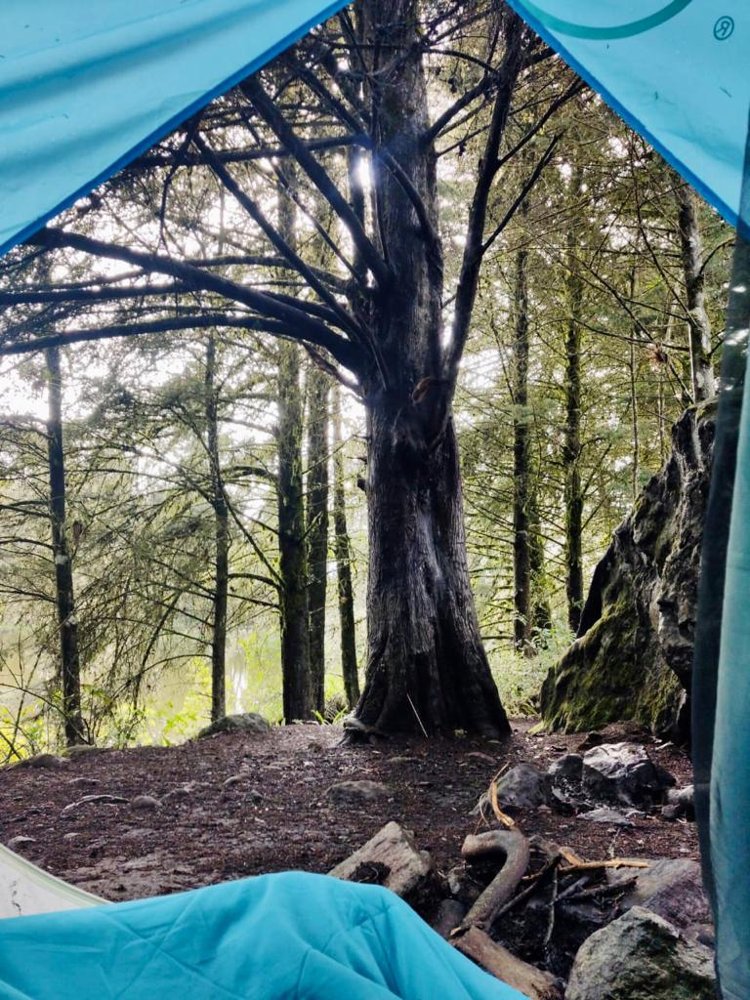
Around Joshua Tree, glamping is a broad lodging label rather than a consistent set of amenities. You might find furnished canvas tents, stationary trailers or compact structures arranged around outdoor seating. Do not assume a listing includes a private bathroom, running water, a kitchen, heating or air conditioning just because it has a real bed.
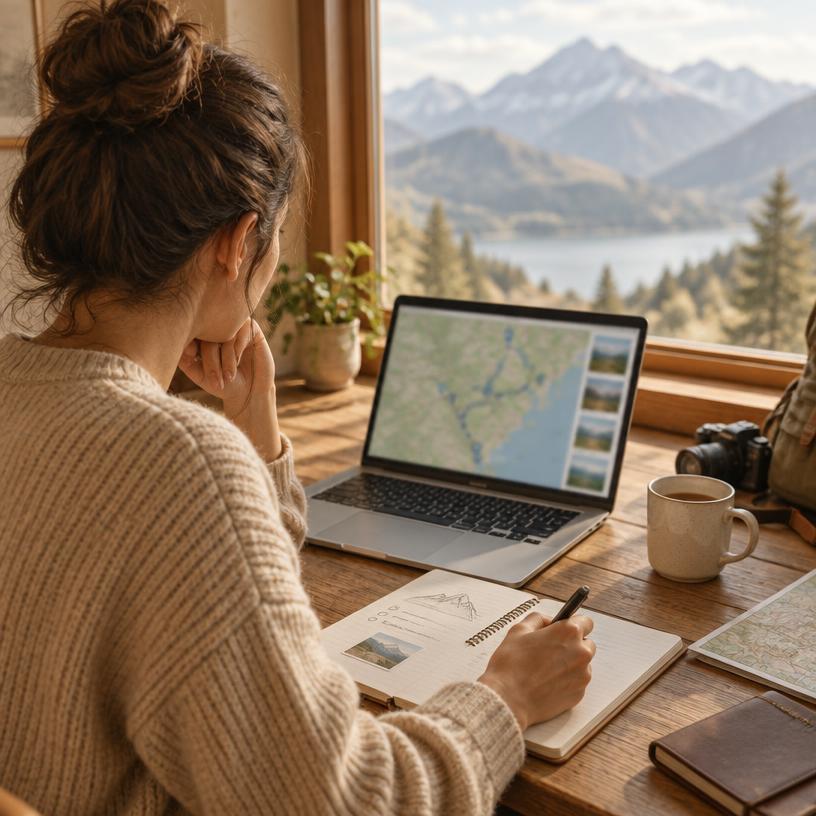
Before booking, confirm bathroom access, drinking-water availability, bedding, power outlets and temperature control. Ask whether the final approach is paved or unpaved and whether your vehicle is suitable. Check how close neighboring units are if privacy matters. Most glamping-style stays are outside park boundaries, so factor in the drive to an entrance and then the additional time to reach trailheads.
 Step 2
Choose a Gateway Area That Fits Your Plans
Joshua Tree is a convenient base for reaching the West Entrance and exploring the higher western park. Yucca Valley sits farther west and offers a practical supply stop, though your drive depends on the property's exact location. Twentynine Palms provides access to the North Entrance and can suit trips focused on the park's northern and central areas.
More spread-out desert areas, including those around Landers, may appeal if you want a quieter-feeling stay, but they can add substantial driving. Compare the actual route rather than judging proximity from a wide map view. Check road surfaces, after-dark arrival instructions and access to groceries. A remote-looking property is not necessarily close to the sights you plan to visit.
 Step 3
Book for the Season, Not Just the Setting
October through April is generally the most comfortable window for combining a glamping stay with daytime park exploration. Spring and fall weekends are popular, so start checking availability once your dates are settled. Winter can be appealing, but cold nights make reliable heating and suitable bedding more important than an attractive outdoor lounge area.
Summer requires much closer attention to cooling. A fan in a canvas tent is not equivalent to effective air conditioning in an insulated structure. Confirm what the accommodation actually provides and plan limited outdoor activity during hot weather. Wind can affect any season, especially for fabric shelters and exposed patios. Review cancellation terms and check the official NPS site for park conditions and campground reservation information.
Step 4Pack for Sun, Darkness and Temperature Swings
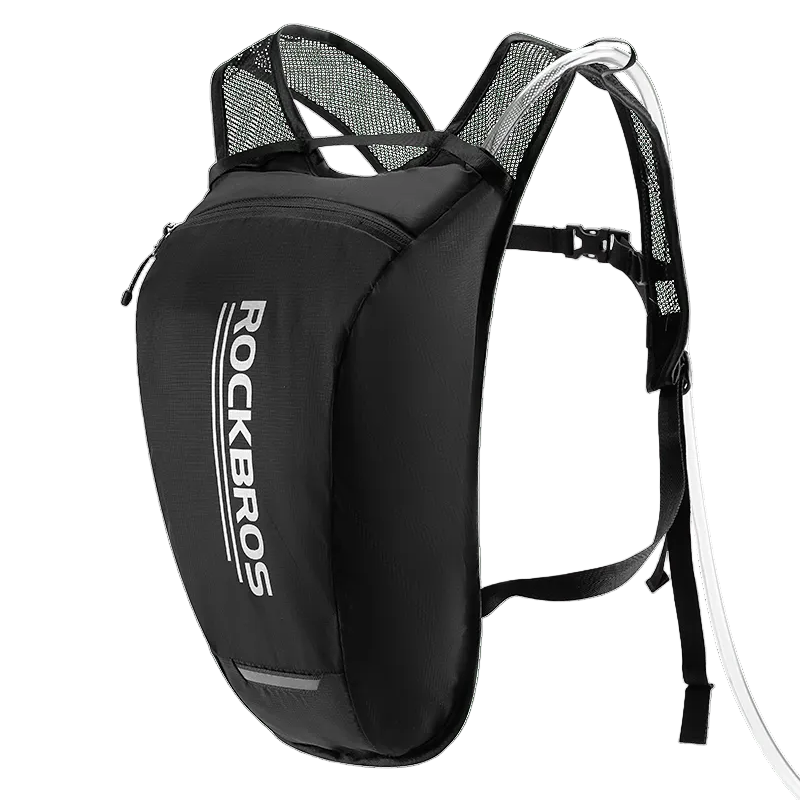
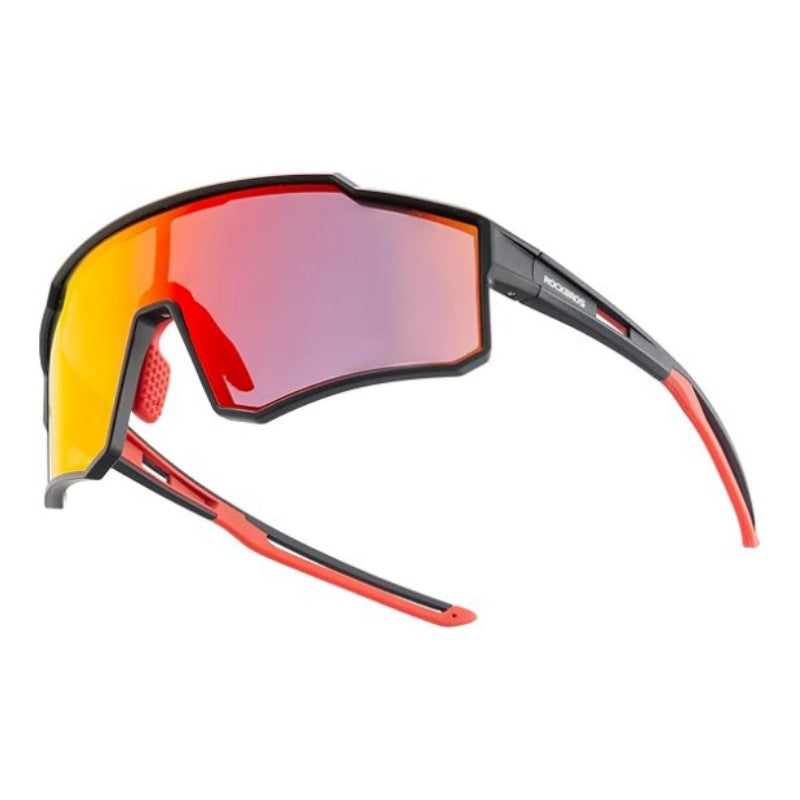
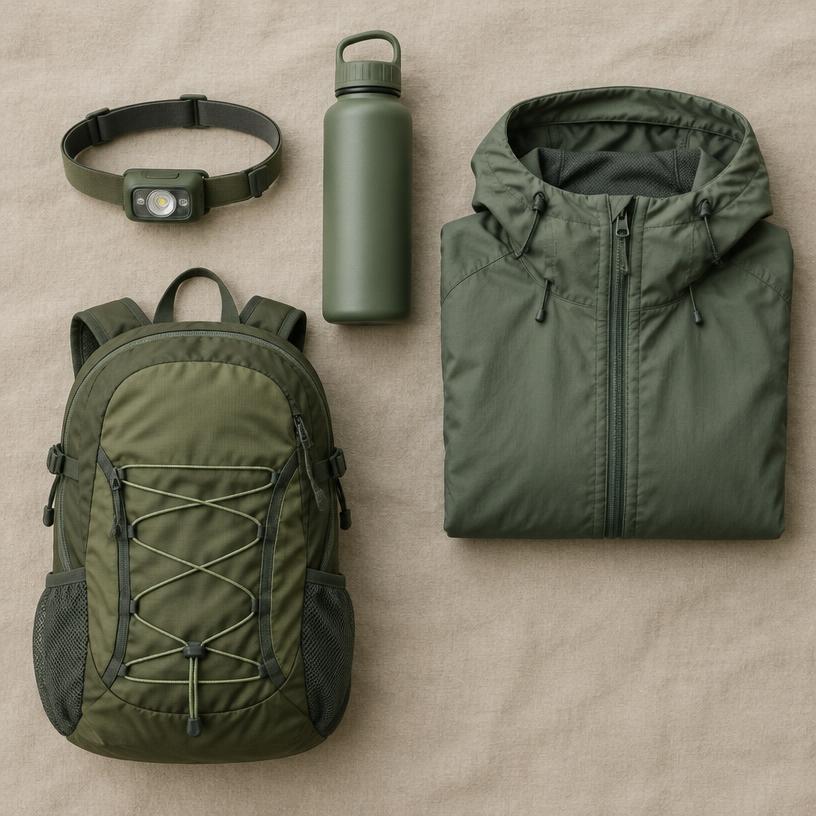
Bring refillable water containers, enough drinking water for your plans, sunscreen, sunglasses, a brimmed hat and comfortable closed-toe shoes. Add warm layers for evenings even when the daytime forecast looks mild. A headlamp is useful for walking between your unit, bathroom and vehicle without relying on a phone flashlight or bright outdoor lighting.
Download directions and maps before leaving reliable service. Confirm whether towels, cookware, bedding and toiletries are supplied so you avoid both gaps and unnecessary luggage. Pack simple food if restaurants are a long drive away, and keep it stored as the host instructs. Never assume a fire pit can be used: check property rules and current fire restrictions, and have a no-fire dinner plan.
Step 5Glamping vs. Tent Camping vs. an RV Stay
Glamping reduces the amount of equipment you need to bring, but it often costs more than a basic campsite and may still involve shared facilities. Tent camping offers a simpler setup close to park landscapes, provided you bring suitable gear and reserve where required. Campground amenities vary, so verify water and toilet facilities for the specific site.
An RV provides your own sleeping space and storage, but requires attention to vehicle length, parking and campsite compatibility. Do not assume national park campsites have hookups. Compare rough total costs rather than nightly rates alone: glamping may add cleaning charges, camping may require equipment, and RV travel adds rental and fuel expenses. Confirm reservations, access rules and current conditions through official park sources and your accommodation.
Quick answers about Joshua Tree National Park
When is the best time to go glamping near Joshua Tree National Park?
October – April offers the most comfortable glamping weather near Joshua Tree National Park.
How do you get to glamping near Joshua Tree National Park?
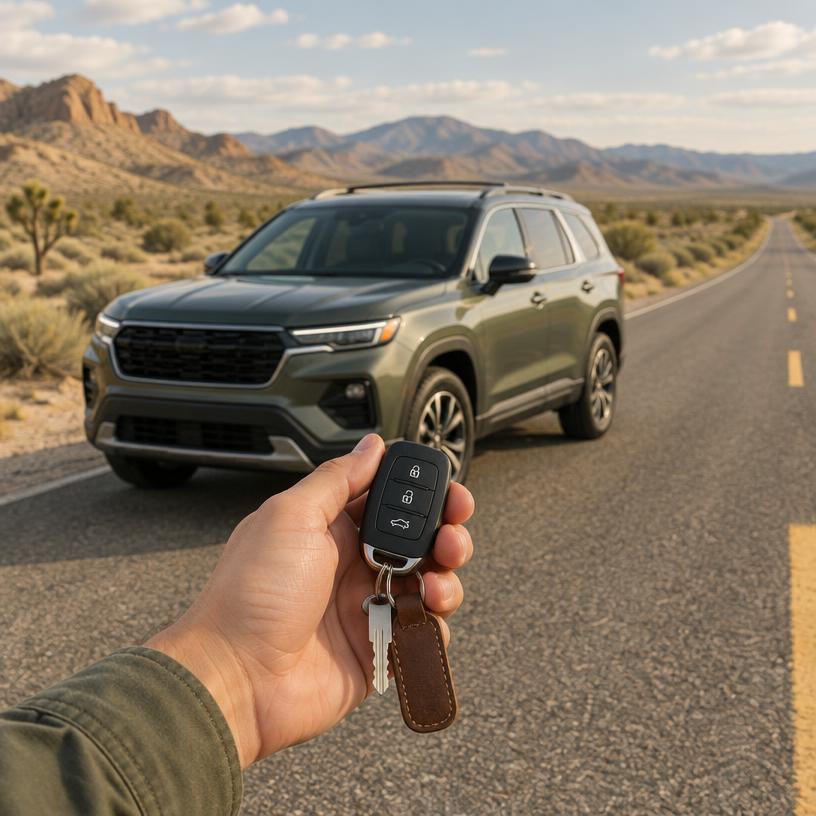
Fly into PSP, about 55 min away by car, then drive — most sites need a car.
Do glamping sites near Joshua Tree National Park sell out?
Yes, popular sites often book out months ahead in peak season, so reserve early.
Airport car & SUV rentals
- ✓ Compare suppliers at PSP
- ✓ Free cancellation on many rates
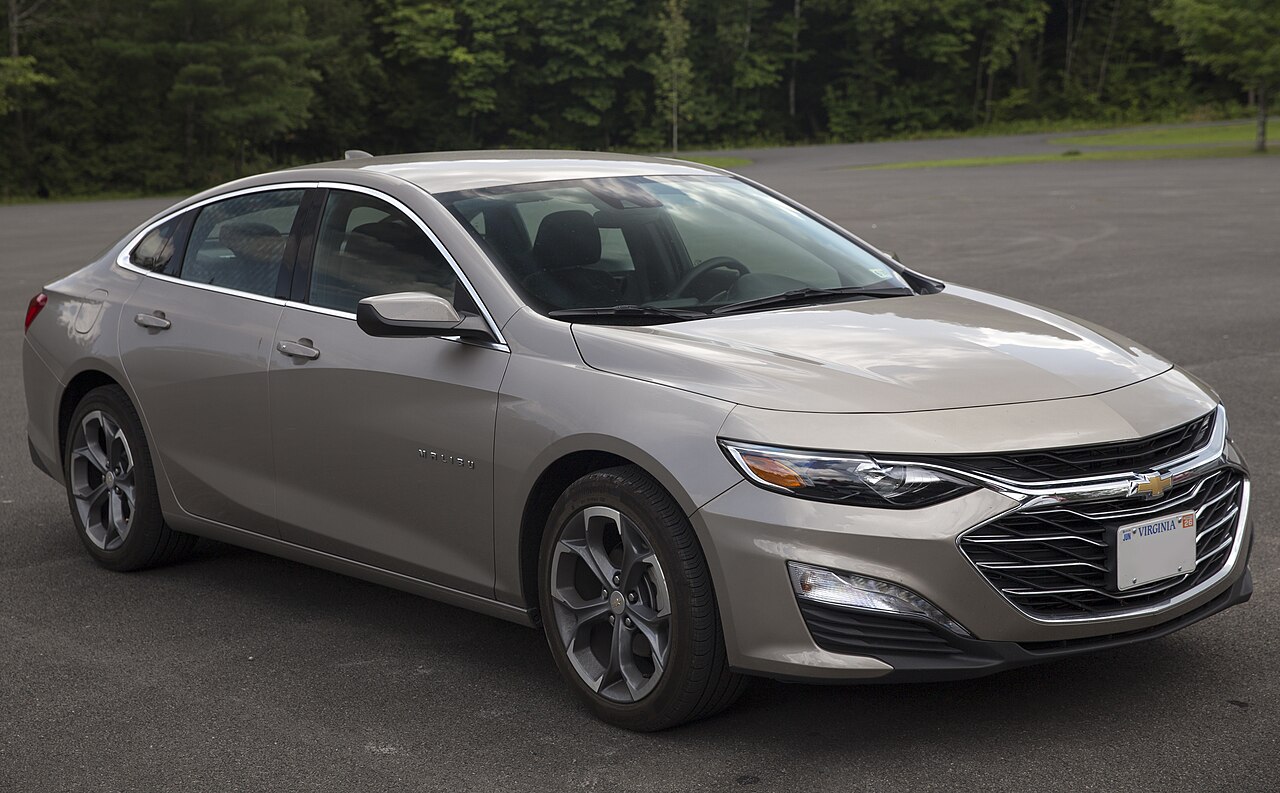
Standard car rentals at PSP
Est. from $45/day · typical rate
Pick your dates and vehicle class.
Compare rates at PSP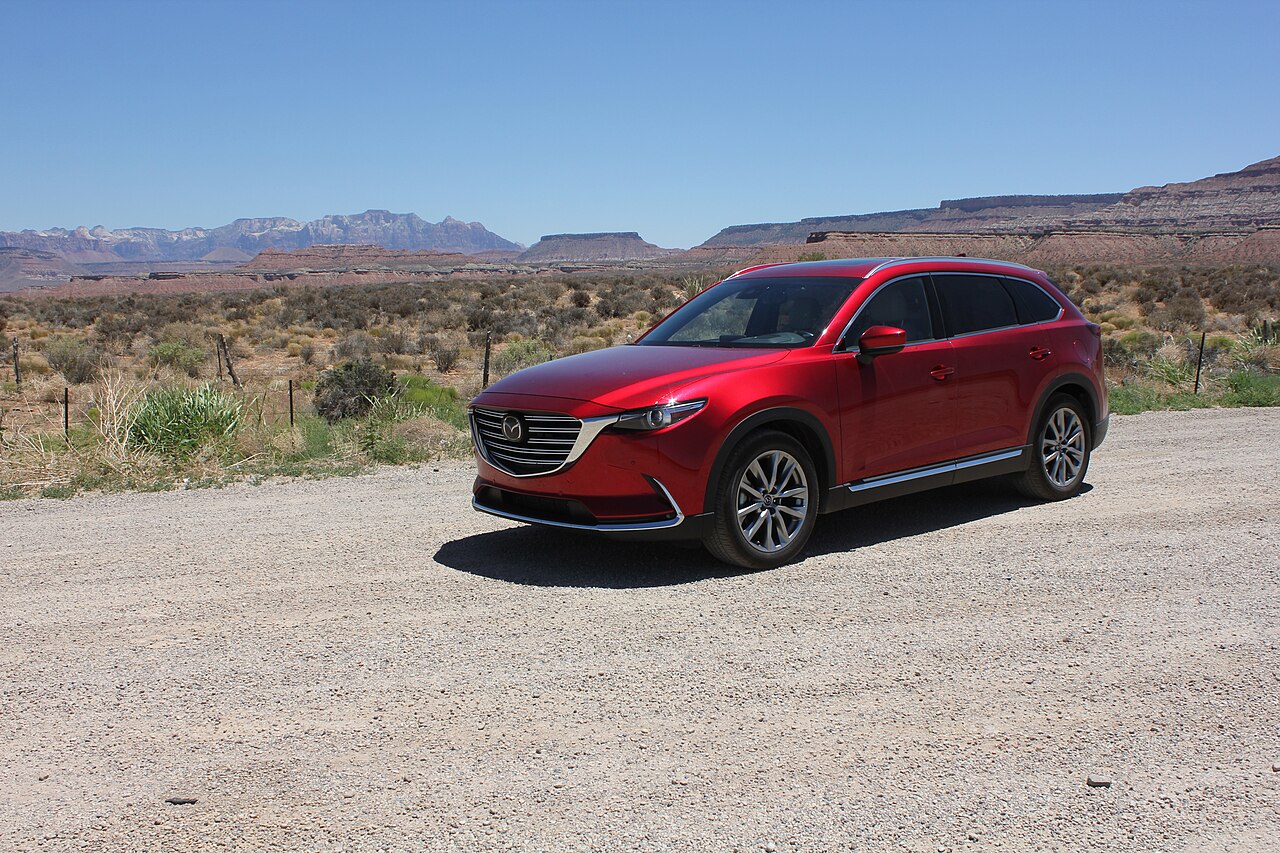
- ✓ Compare suppliers at PSP
- ✓ Free cancellation on many rates
SUV rentals at PSP
Est. from $55/day · typical rate
Pick your dates and vehicle class.
Compare rates at PSPViator
Tours & experiences near Joshua Tree National Park
Explore guided activities around Joshua Tree National Park. Check the meeting point, dates and availability on Viator before booking.
Open tour listings separately