 Arrival airport
 Airport drive
 Reservation demand
 Best season
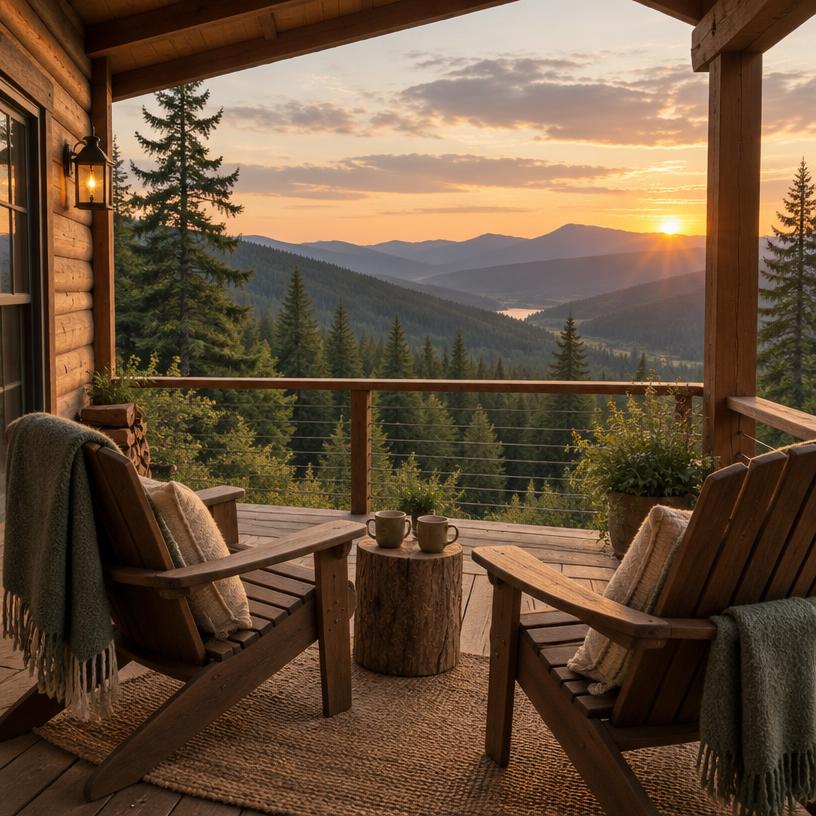
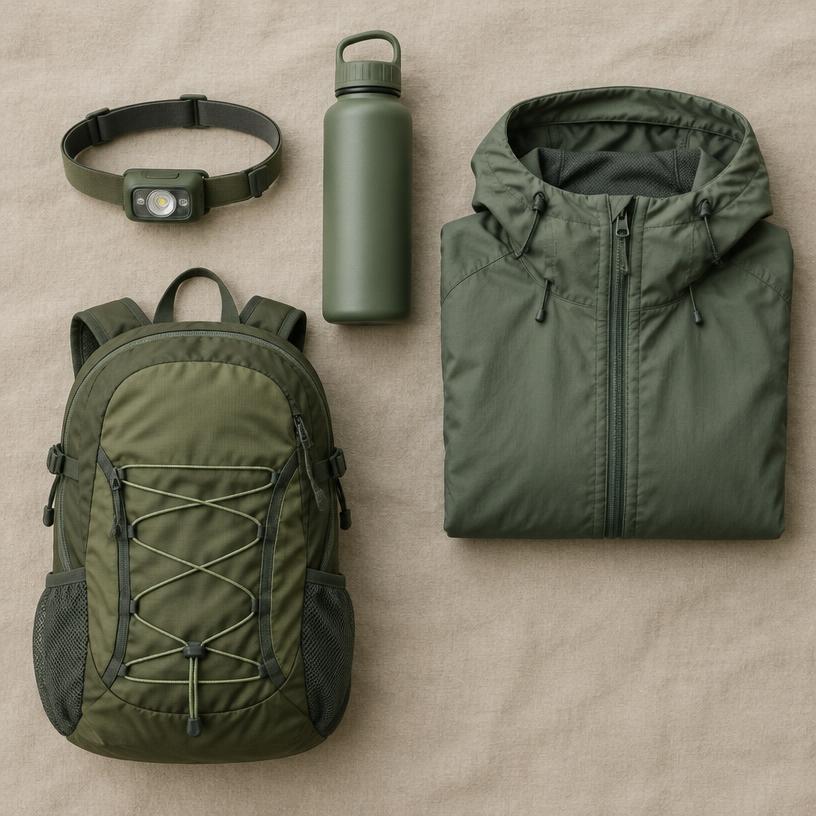
Grand Teton rewards both active days and unhurried stops: you can hike beside a mountain lake, watch changing light across the range, and spend an evening looking for wildlife from established viewing areas. The park is easiest to enjoy when you group activities by location rather than driving back and forth across the valley. For a first visit, mix one main outing each day with several short, flexible stops.
 Step 1
Take a Scenic Drive Through the Valley
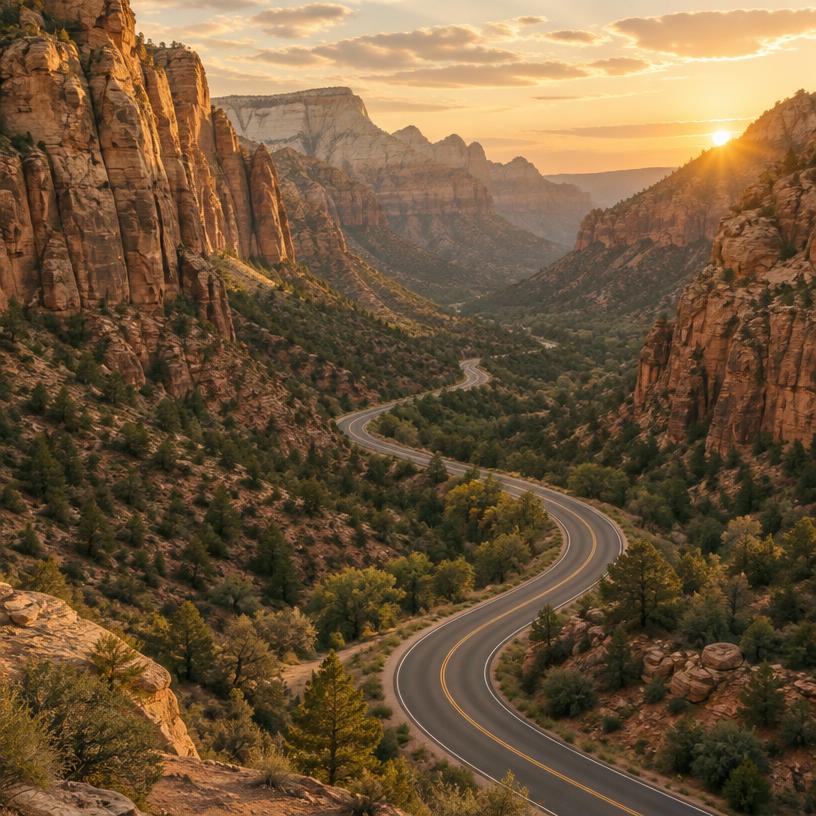
Use Teton Park Road and U.S. Highway 191 to connect major viewpoints when seasonal road access allows. Together, they offer a satisfying introduction to the range, sagebrush flats, and river landscapes. Choose a few stops rather than treating every turnout as mandatory; the mountains look different as the light changes.
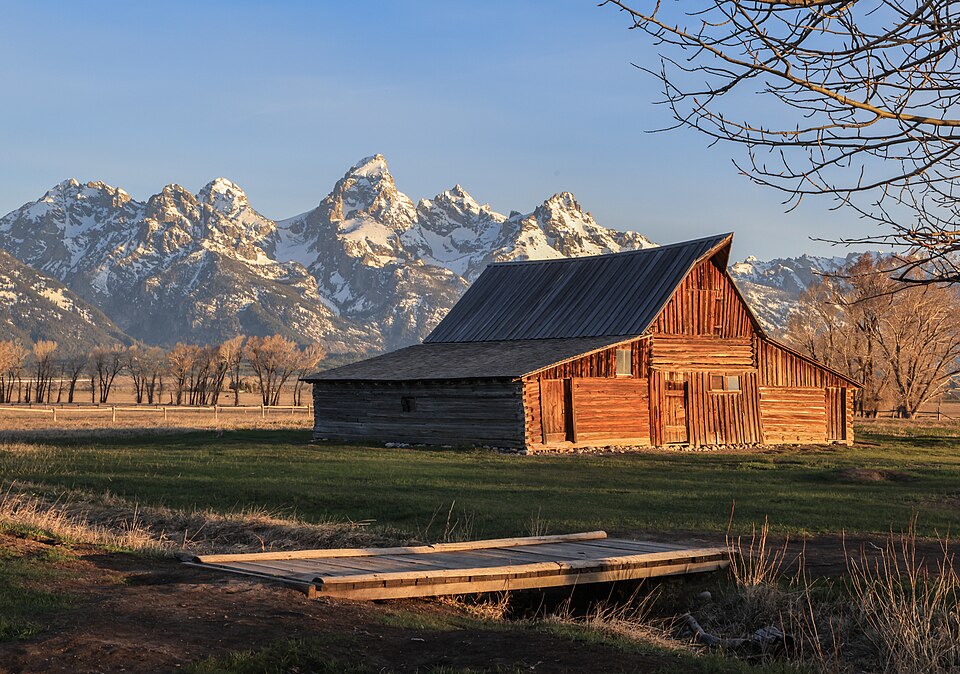
Oxbow Bend is a classic place to linger over water and mountain views. Mormon Row offers a different perspective, with historic barns set against the Tetons. These are popular photography locations, so expect company. Park only in designated places, keep roads clear, and never stop in a travel lane for wildlife or a quick photograph.
 Step 2
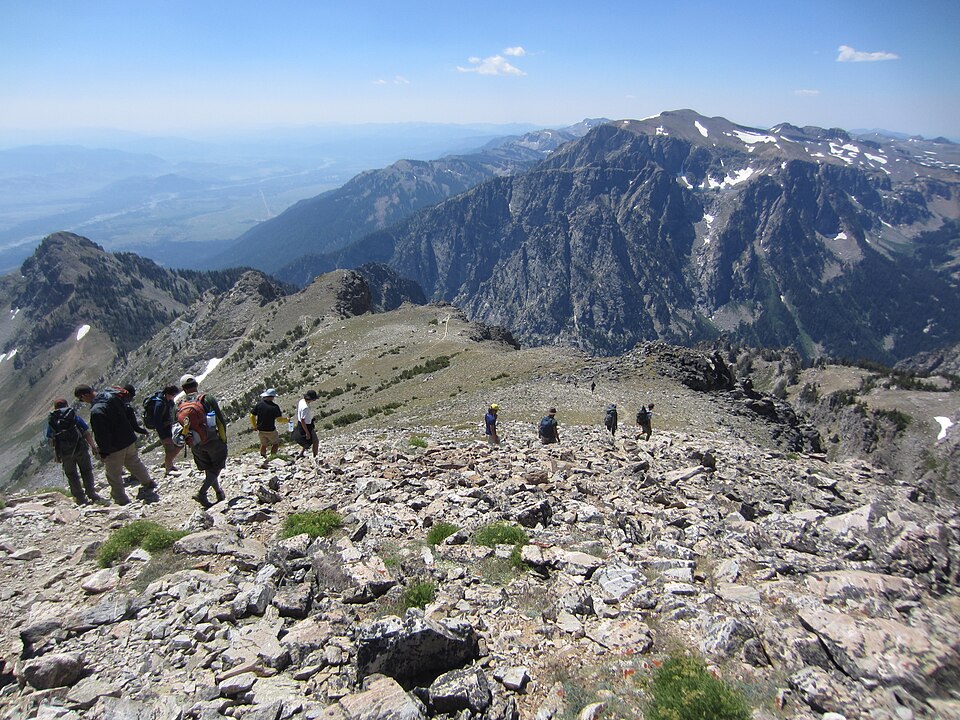
Hike Around Jenny Lake or Taggart Lake
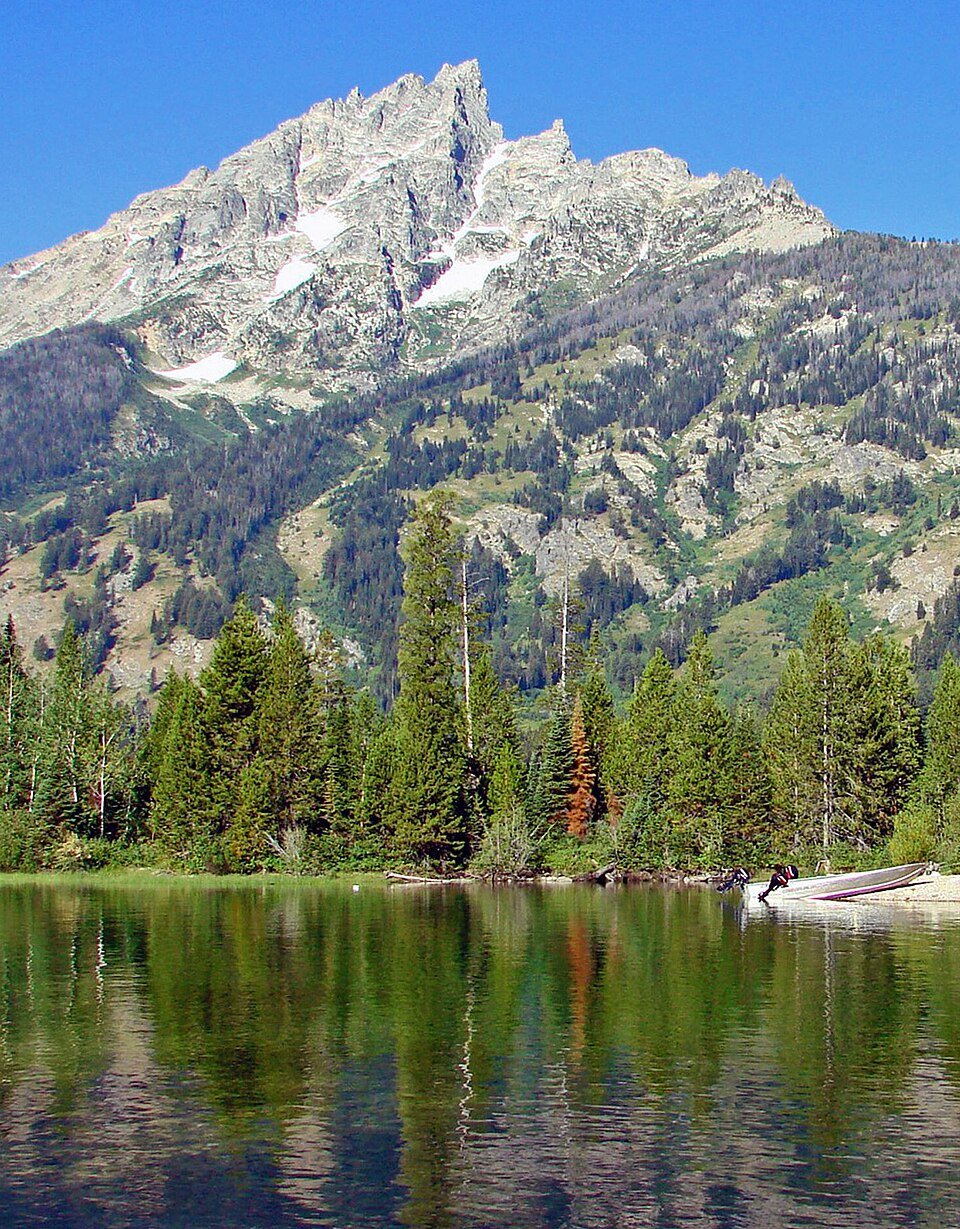
Jenny Lake is one of the park's signature hiking areas, with lakeshore walking and routes toward Hidden Falls and Inspiration Point. A seasonal boat shuttle can shorten the approach, but schedules, operating conditions, and queues affect the day. Walking around the lake adds mileage, so choose your route before setting out.
Taggart Lake is another popular choice for a mountain-and-water outing. Neither area should be treated as an effortless stroll: expect uneven footing, weather changes, and busy trailheads. Check route length, elevation gain, and current trail conditions against your group's abilities. Carry water, snacks, layers, and appropriate bear spray, and know how to use it.
 Step 3
Watch Wildlife and Spend Time by the Water
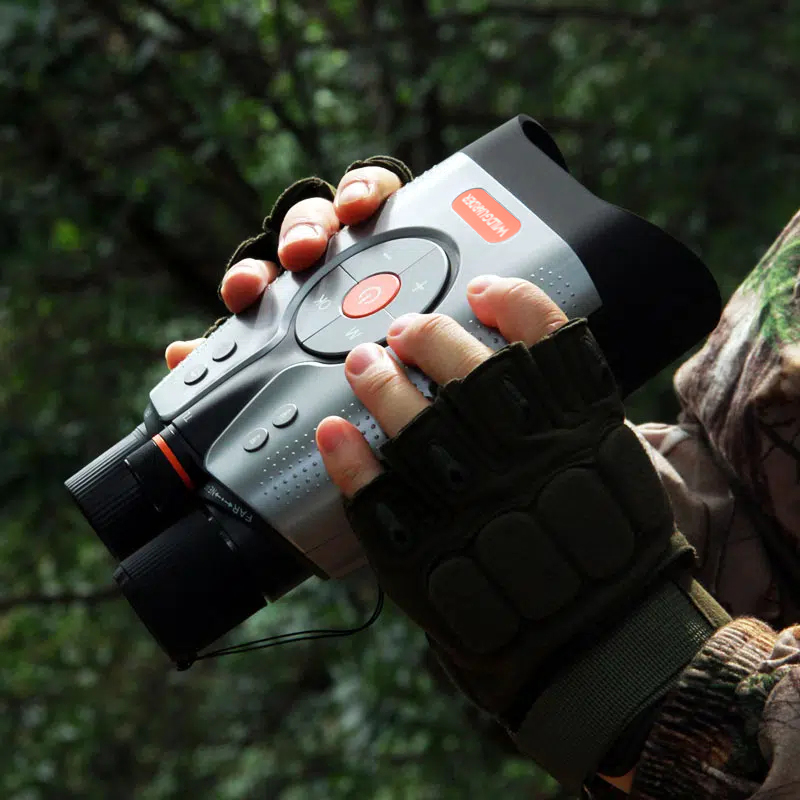
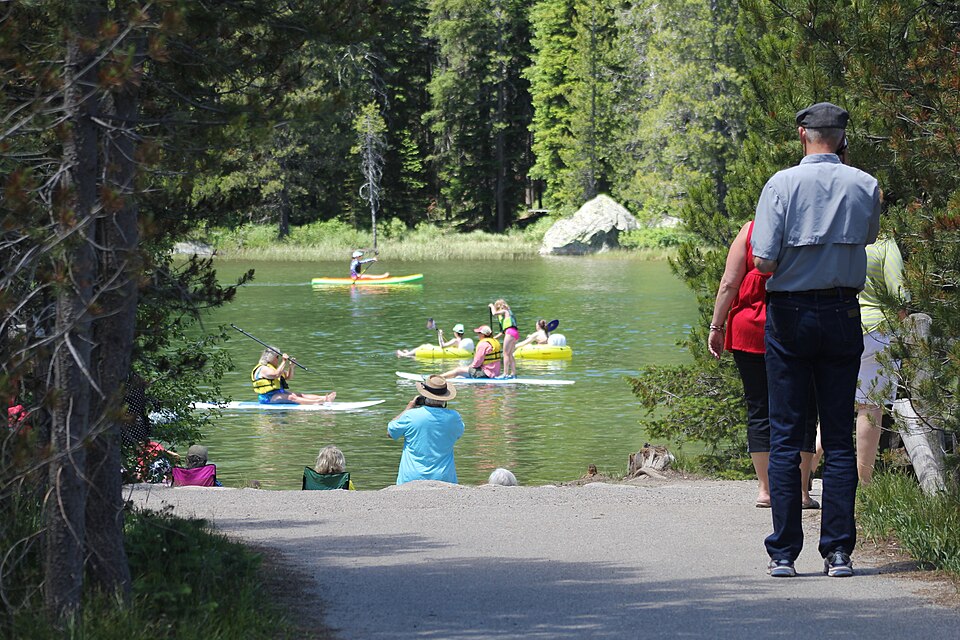
Look for wildlife from established pullouts and viewing areas, especially during the quieter hours around morning and evening. Moose, elk, bison, bears, and other animals live here, but sightings are never assured. Binoculars help you observe without crowding an animal or stepping into traffic.
Park rules require at least 100 yards from bears and wolves and 25 yards from other wildlife; increase your distance if an animal reacts to you. For a water-focused outing, enjoy Jackson Lake from shore or research a permitted paddling trip. Cold water and rapidly changing wind deserve respect. Check current boating permits, aquatic invasive species requirements, launch access, and life jacket rules before bringing a watercraft.
 Step 4
Keep Family Days Short and Varied
With kids, a short lakeshore walk, a picnic, and one wildlife-viewing stop often work better than a full day of driving and hiking. Ask at an open visitor center about the Junior Ranger program and suitable activities for your children's ages. Leave time for simple discoveries rather than chasing every landmark.
String Lake can provide a pleasant setting for a short walk or shore-based break, but parking is popular and water activities need close supervision. Carry extra snacks, sun protection, and warm layers even on bright days. Keep children close on trails and around wildlife, and store food according to park rules rather than leaving picnic supplies unattended.
Step 5Make a Rainy-Day Plan Without Forcing a Hike
When rain settles in, an open park visitor center is a useful place for exhibits, trip advice, and a slower look at the landscape. Jackson offers additional indoor options, including the National Museum of Wildlife Art nearby. Verify current hours and any admission costs directly before driving over.
A brief shower may leave room for a scenic drive or short walk later, but thunderstorms are a reason to reconsider exposed trails and water activities. Do not assume a wet day will be quiet everywhere; indoor stops can get busy. Check the official Grand Teton National Park website for alerts, closures, and current conditions before rearranging your plans.
Quick answers about Grand Teton National Park
What are the top things to do in Grand Teton National Park?
Highlights include Take a Scenic Drive Through the Valley, Hike Around Jenny Lake or Taggart Lake, Watch Wildlife and Spend Time by the Water, Keep Family Days Short and Varied.
How much time do you need to see Grand Teton National Park?
Plan 4–5 days to cover the main sights at a comfortable pace.
When is the best time for activities in Grand Teton National Park?
Late June – September usually offers the widest choice of open activities and tours.
Airport car & SUV rentals

- ✓ Compare suppliers at JAC
- ✓ Free cancellation on many rates
Standard car rentals at JAC
Est. from $45/day · typical rate
Pick your dates and vehicle class.
Compare rates at JAC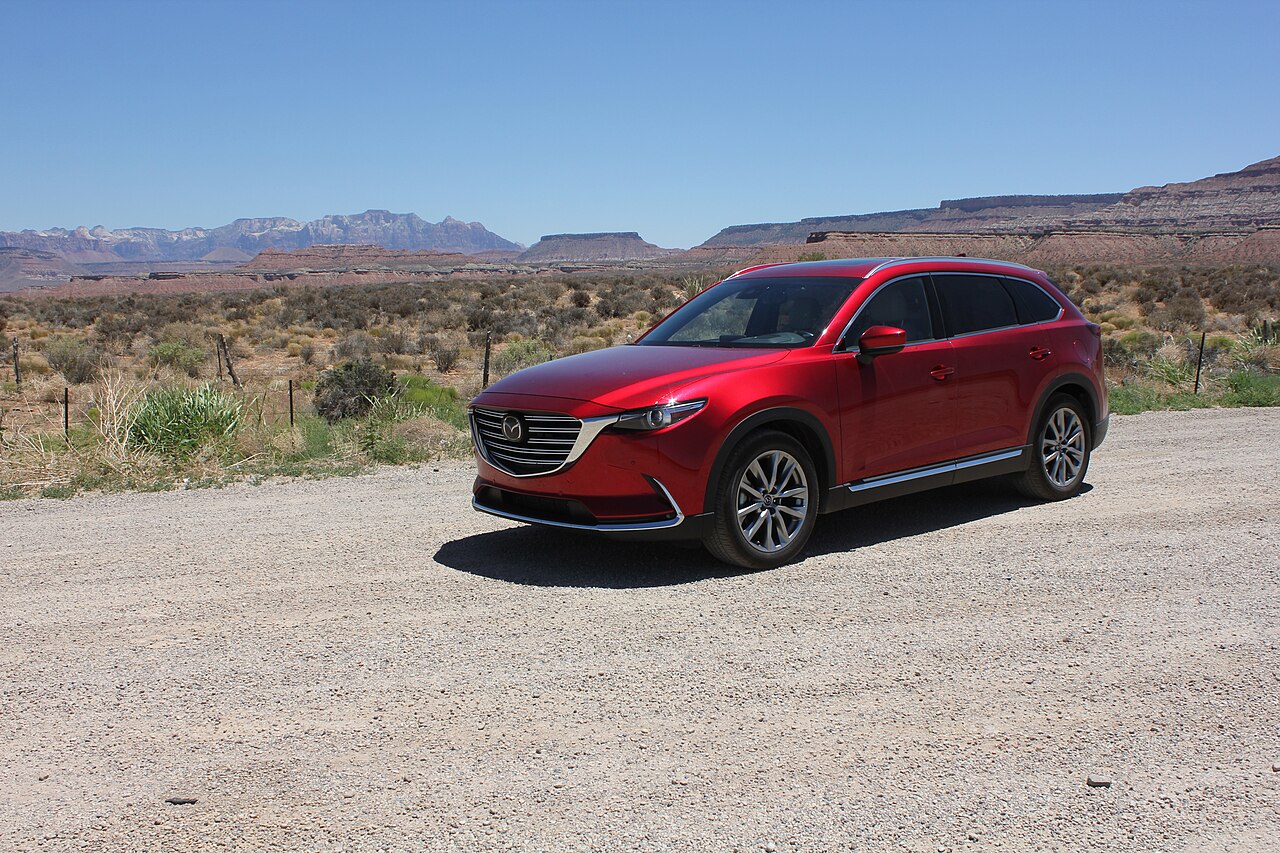
- ✓ Compare suppliers at JAC
- ✓ Free cancellation on many rates
SUV rentals at JAC
Est. from $55/day · typical rate
Pick your dates and vehicle class.
Compare rates at JACViator
Tours & experiences near Grand Teton National Park
Explore guided activities around Grand Teton National Park. Check the meeting point, dates and availability on Viator before booking.
Open tour listings separately