 Arrival airport
 Airport drive
 Reservation demand
 Best season
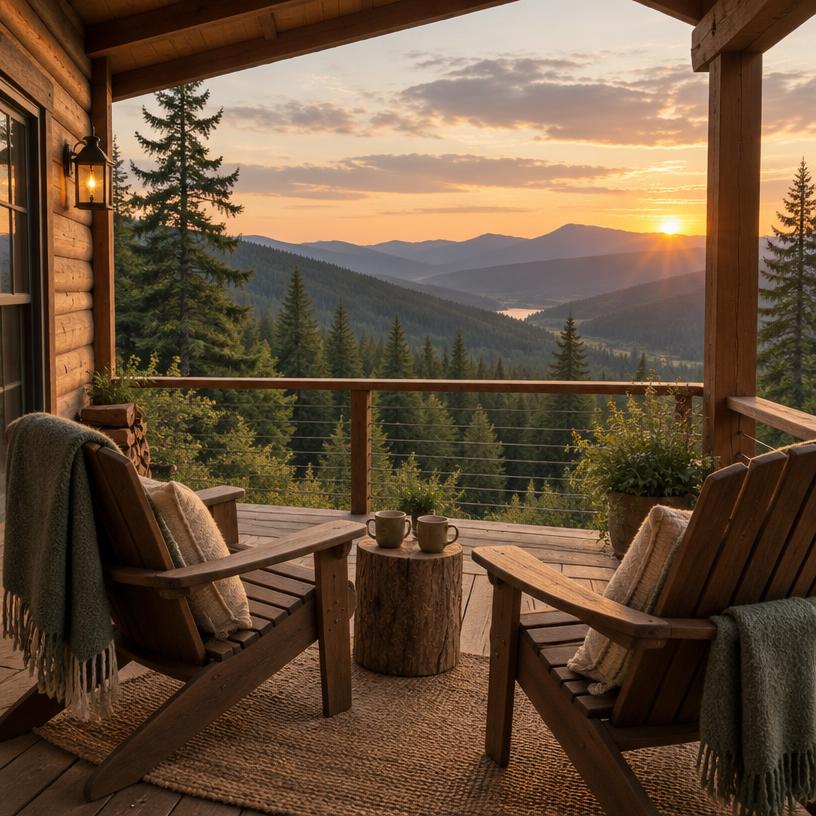
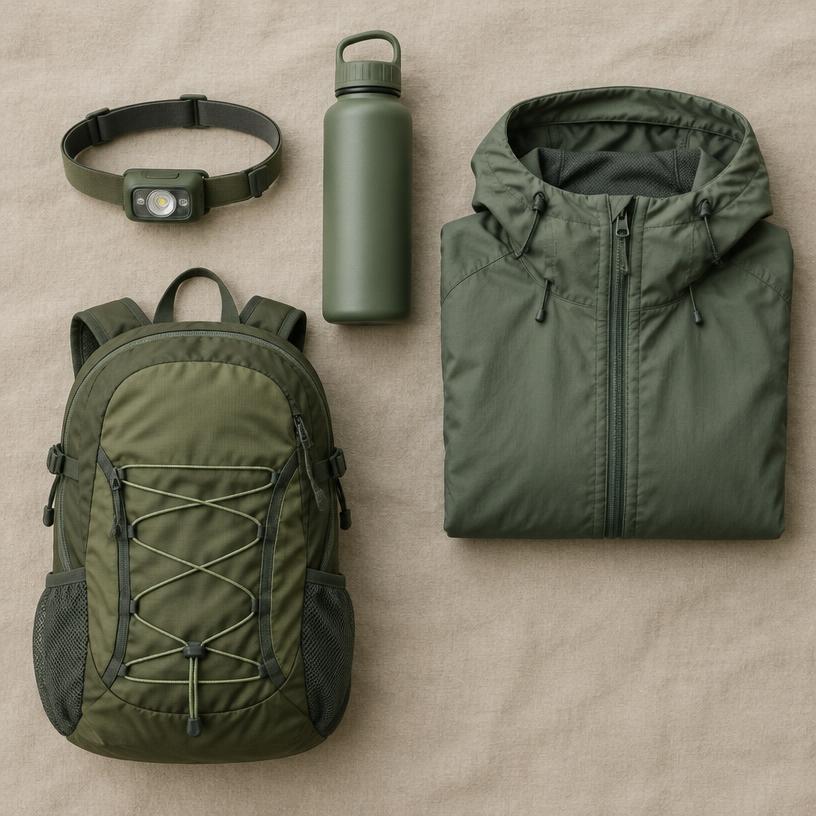
The best time to visit the Olympic Peninsula depends on whether you picture alpine views, mossy forest walks, or a quiet stretch of Pacific beach. Summer offers the broadest access, while spring and fall reward flexible travelers who do not mind rain or changing plans. With three to five days, choose a season around your main priorities rather than expecting the coast, rainforest, and mountains to share the same weather.
 Summer
: the broadest access, with the biggest crowds
July through September is generally the easiest window for combining Hurricane Ridge, the western rainforests, and the Pacific coast. Summer is usually drier than the rest of the year, but coastal fog and cool wind can make a beach afternoon feel very different from a sunny morning near Port Angeles. Higher trails may retain snow into early summer, so a calendar date alone does not confirm hiking access.
This is also the busiest period at popular places such as the Hoh Rain Forest, Lake Crescent, and Hurricane Ridge. Start early, keep your itinerary loose, and avoid planning several parking-dependent stops in one afternoon. Reserve lodging and any reservable campsites well ahead once dates are firm. Check the official Olympic National Park website for current road access, trail conditions, entrance information, and reservation requirements before traveling.
 Spring
: bright moss, waterfalls, and variable access
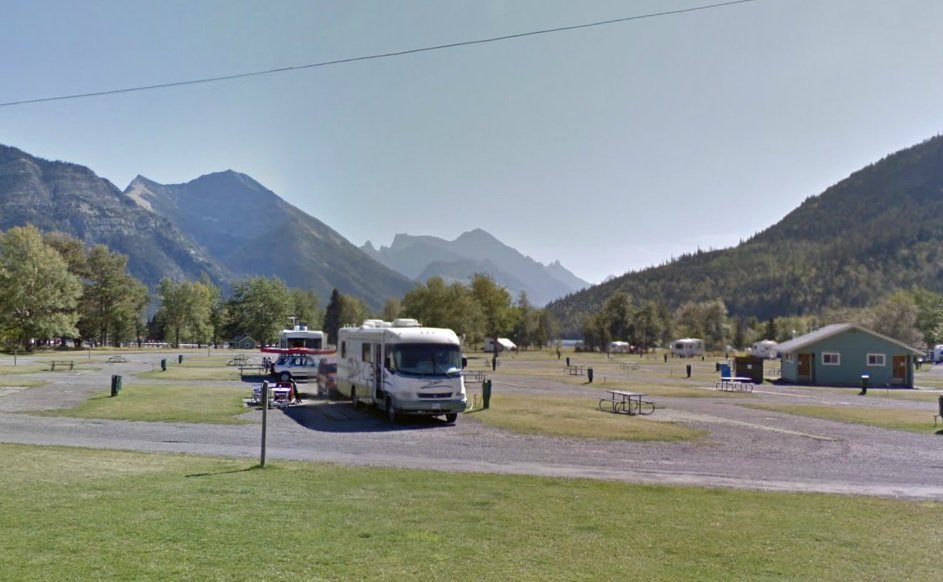
Spring suits travelers who want low-elevation forest walks and do not need every mountain trail to be open. Rain keeps the western valleys lush, waterfalls can be lively, and the woods around Lake Crescent offer an appealing alternative to higher country. The Hoh and Quinault areas are especially atmospheric when wet, although road damage, flooding, or maintenance can affect access after storms.
Build a spring visit around short outings rather than one essential long hike. Marymere Falls, accessible beach viewpoints, and rainforest nature trails can work well when conditions allow. Bring a waterproof outer layer and footwear that handles mud, and leave dry clothes in the car. Mountain snow commonly persists well beyond the lowland spring season. Check official park alerts shortly before departure, and choose lodging that makes it easy to switch between coast and forest.
 Fall
Fall: quieter weekdays and a changing weather pattern
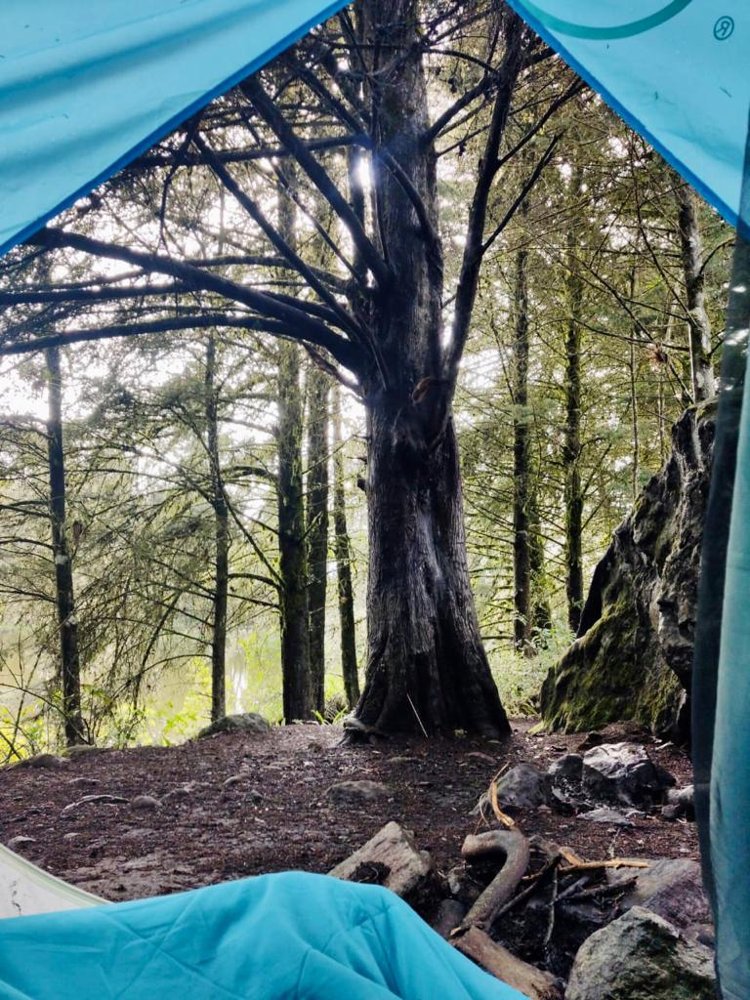
Early fall often offers a useful middle ground: some summer access remains, daylight is still workable, and weekday visitation generally eases after the main vacation season. September can be excellent for a road trip, but dry weather is never assured. As autumn progresses, storms become more frequent, days shorten, and fresh snow can limit mountain travel.
Choose Lake Crescent, the coast near Forks, and the Quinault area as flexible anchors rather than making high-elevation hiking the entire purpose of the trip. Deciduous trees add patches of color among the evergreens, especially along rivers and lakes. A three- to five-day trip benefits from an extra indoor or driving day built into the plan. Book lodging ahead for weekends, and check the official park website for seasonal campground changes, road updates, and any services winding down.
WinterWinter: dramatic coastlines and serious flexibility
Winter brings the peninsula's wettest travel pattern, with frequent rain at lower elevations and substantial snow in the mountains. It can be a rewarding season for a cabin-based visit centered on forest scenery, museums, and short walks between storms. It is less suited to a tightly scheduled loop that depends on mountain access or uninterrupted coastal hiking.
Hurricane Ridge access is weather-dependent and subject to winter operating arrangements, closures, and vehicle requirements. Verify all details on the official park website rather than assuming the road is available. At the coast, watch waves from well back, stay off driftwood when surf can reach it, and avoid beaches during hazardous conditions. Never turn storm watching into a reason to approach the water. Keep alternate lodging or route options in mind when strong winds, flooding, or snow affect regional roads.
 Step 5
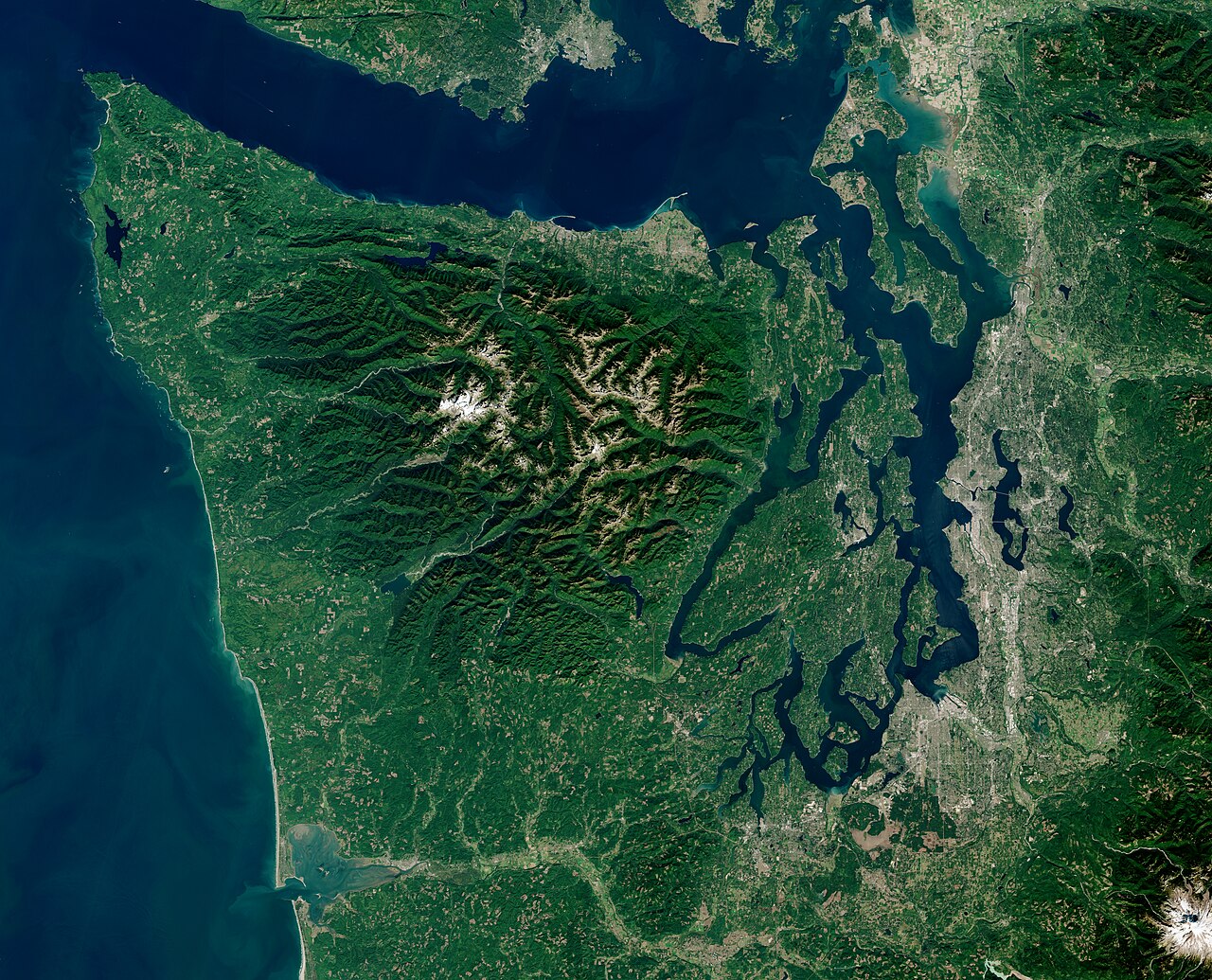
Match your season to reservations and travel style
For a first visit focused on variety, aim for summer or early fall and accept that popular stops require patience. For rainforest atmosphere and fewer people, consider spring or later fall, with a waterproof wardrobe and backup activities. Winter works best when a comfortable base matters more than covering the entire peninsula. The northeastern side is generally drier than the western rainforest valleys, but that contrast does not eliminate rain from any itinerary.
Once your dates are set, reserve overnight stays before filling the days with activities. Check the official Olympic National Park website for campground booking windows, wilderness permit rules, current conditions, and reservations. Coastal routes may require tide planning, while tribal beaches and recreation areas can have separate access rules. Recheck forecasts and road alerts shortly before leaving, then adjust your route around conditions rather than forcing the original plan.
More ways to book Olympic Peninsula
Lake Crescent Kayaking
One of the classic ways to experience Olympic Peninsula.
Varies (estimate)
Quick answers about Olympic Peninsula
What month is best to visit Olympic Peninsula?
Most visitors find June – September the best window for Olympic Peninsula, with the most reliable weather and access.
When should you avoid visiting Olympic Peninsula?
Outside June – September, weather and seasonal closures can limit roads, trails and services. Check current conditions before booking.
Do you need to book Olympic Peninsula in advance?
Not always, but booking ahead is recommended for Olympic Peninsula, especially in peak season.
Airport car & SUV rentals

- ✓ Compare suppliers at TIW
- ✓ Free cancellation on many rates
Standard car rentals at TIW
Est. from $45/day · typical rate
Pick your dates and vehicle class.
Compare rates at TIW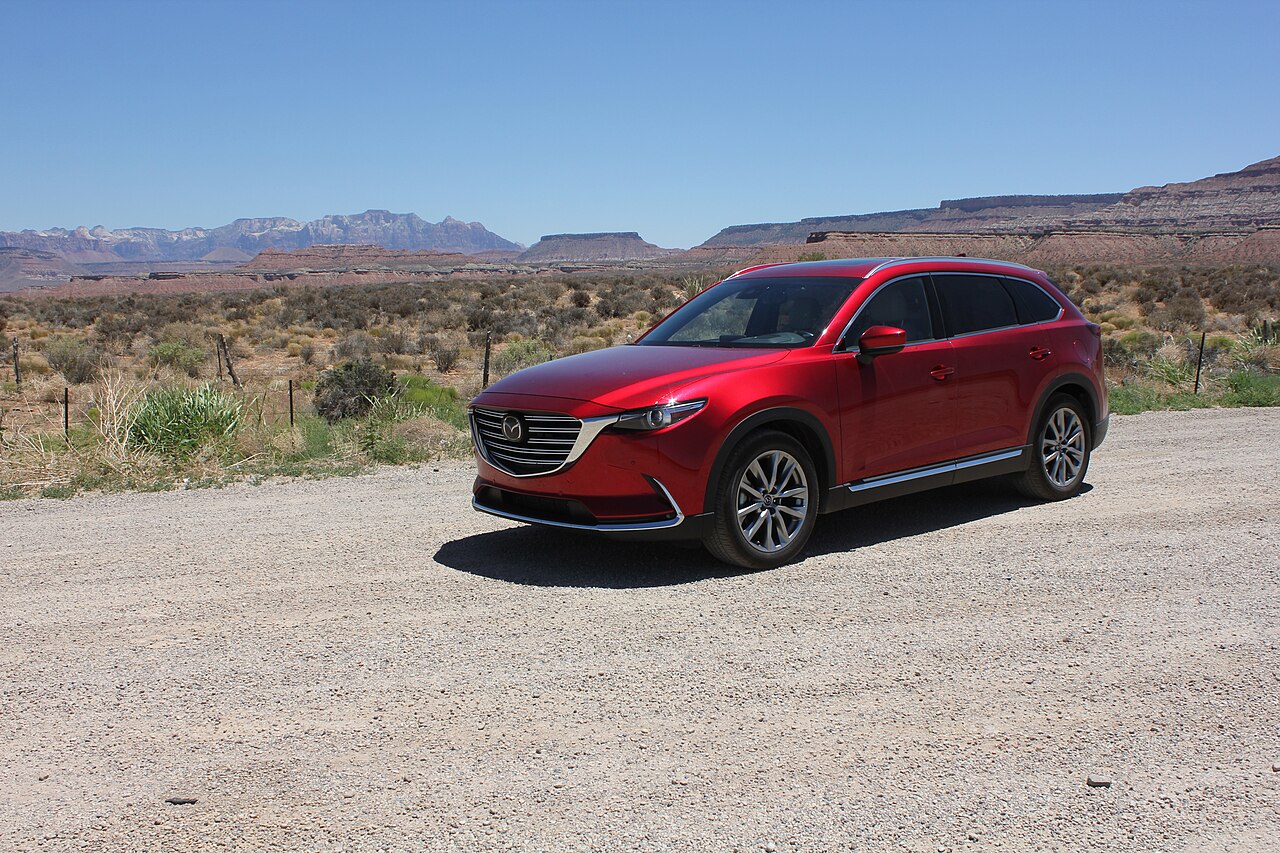
- ✓ Compare suppliers at TIW
- ✓ Free cancellation on many rates
SUV rentals at TIW
Est. from $55/day · typical rate
Pick your dates and vehicle class.
Compare rates at TIWViator
Tours & experiences near Olympic Peninsula
Explore guided activities around Olympic Peninsula. Check the meeting point, dates and availability on Viator before booking.
Open tour listings separately