 Arrival airport
 Airport drive
 Reservation demand
 Best season
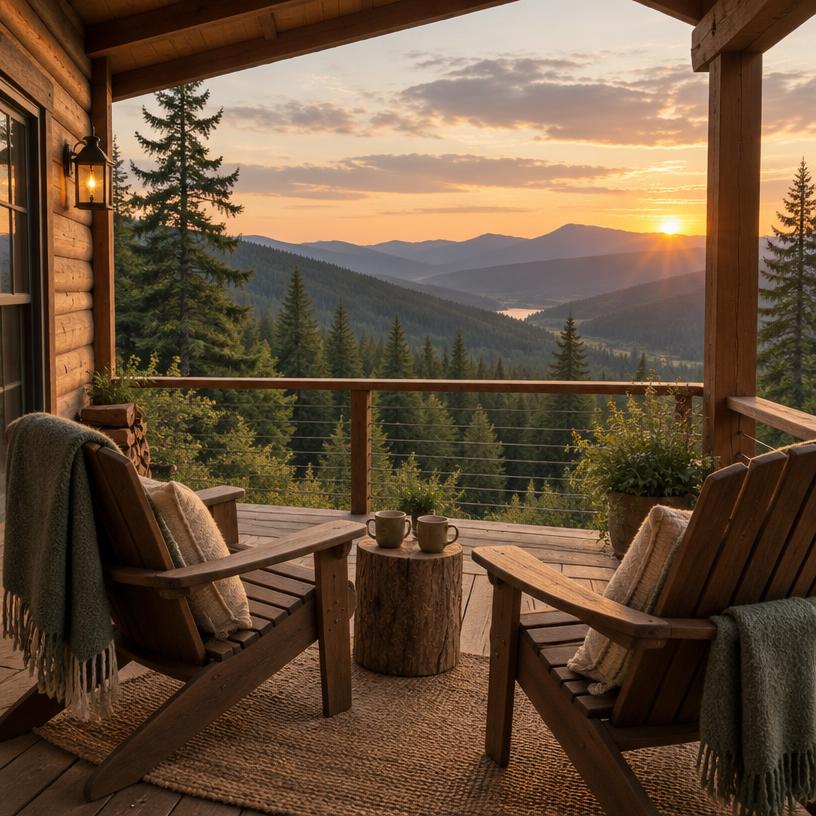
Columbia River Gorge Washington glamping can mean a furnished tent in the trees, a compact cabin, or another outdoor-focused stay with more comfort than a basic campsite. The important differences are practical: heat, bathrooms, cooking facilities, and how far you will drive to your hikes. For a three- to five-day trip, choose your base first, then compare the actual features of each accommodation rather than relying on the glamping label.
 Step 1
What a Glamping Stay Can Include
Glamping is not a standardized accommodation category, so two listings can offer very different experiences. A furnished tent may include a real bed but require a walk to shared bathrooms. A small cabin might have electricity and heat without a kitchen, while a more self-contained unit may function much like a vacation rental. Read the amenity list and recent descriptions carefully before booking.
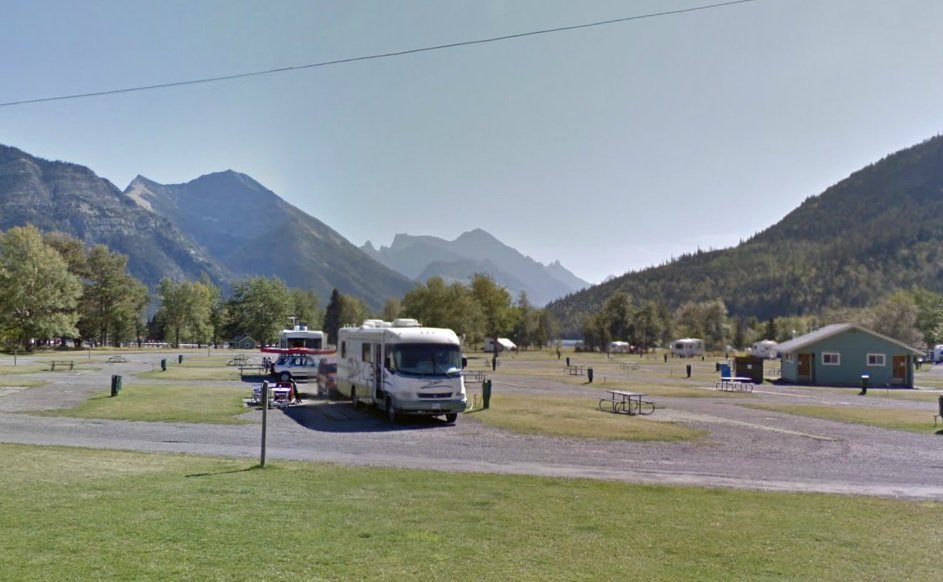
In the Gorge, weather protection matters as much as attractive photos. Ask whether the sleeping space is insulated, whether heating is available, and how ventilation works during hot weather. Confirm bedding, towels, drinking water, food storage, and the distance to toilets. Outdoor kitchens and showers can be appealing in summer but less convenient during a windy, rainy evening. If quiet is important, study the location: highways and rail lines follow parts of the river corridor, and a river view does not necessarily mean a secluded setting.
 Step 2
Where to Base Yourself on the Washington Shore
Stevenson and Carson are useful search areas for travelers focused on Beacon Rock, forest hikes, and the greener western Gorge. Staying near town can simplify meals and grocery runs, while a wooded property farther out may offer more separation from the highway. Check actual driving directions before booking; a listing described as near the Gorge may sit well away from State Route 14.
Bingen and White Salmon work well for central Gorge trips and access to Catherine Creek or Coyote Wall farther east. Search around Lyle if open landscapes and eastern outings are your priority, while checking how far you will be from food and other services. These are areas to investigate, not promises that a particular accommodation type is available. Compare Washington addresses carefully with Oregon listings, since crossing the river adds driving and may involve a toll. Choose the shore that matches most of your planned activities.
 Step 3
Match Your Stay to the Season
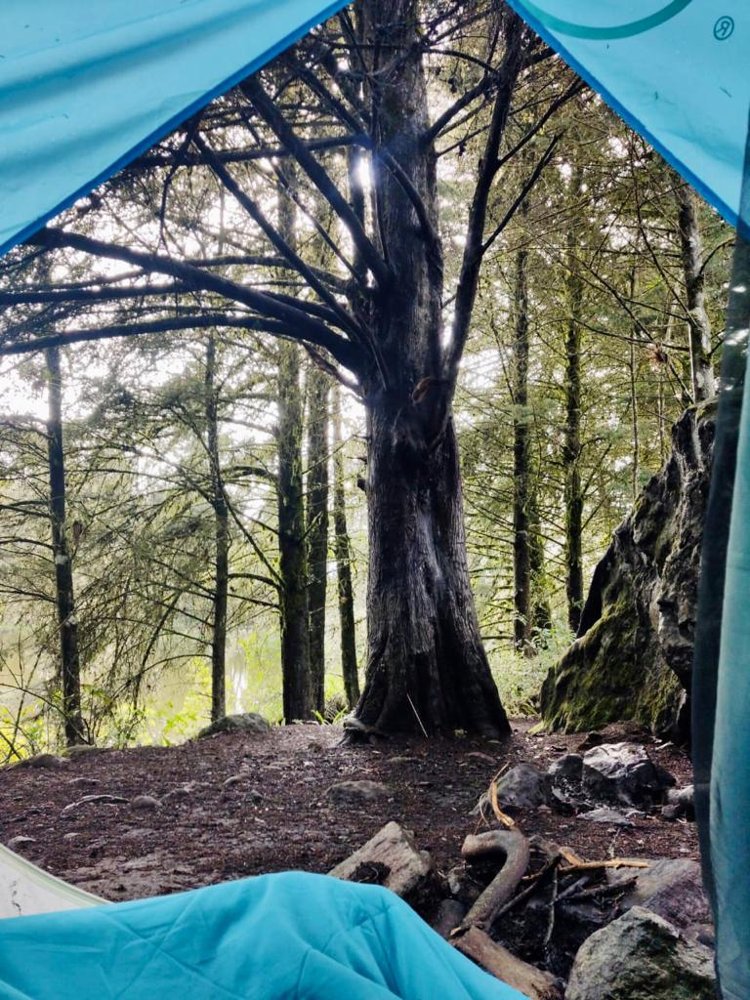
Late spring through early fall is generally the most straightforward period for tent-style stays, but each part of the Gorge has different tradeoffs. Spring brings flowers and greener scenery, along with rain and chilly nights. Summer usually means drier weather, yet an unshaded tent or cabin can get warm, particularly farther east. Check cooling and shade rather than assuming river breezes will keep a unit comfortable.
Fall can suit travelers who want quieter weekdays and cool evenings, provided the accommodation has suitable heating and weather protection. For winter, an insulated cabin with reliable access is usually a more practical search target than a lightly equipped canvas unit. Ask about cancellation policies for disruptive weather and whether the access road is steep or unpaved. Fire restrictions can limit campfires or some cooking setups in warmer months. Confirm current rules with the host and relevant land manager shortly before your stay.
Step 4Glamping Versus Camping and RV Travel
Choose glamping when you want a bed and an outdoor setting without bringing a full campsite. It can work especially well for a short trip that begins with a flight into Portland, since transporting bulky gear may be inconvenient. The tradeoff is that you still need to inspect the details: shared bathrooms, limited cooking space, or a distant parking spot can affect your routine.
Traditional camping offers a simpler setup and often a lower rough nightly cost, but you provide more equipment and handle wet gear yourself. RV travel brings a familiar sleeping and cooking space, though campsite length, hookups, waste disposal, and maneuvering require planning. A glamping unit may cost roughly as much as a hotel or vacation rental, and sometimes more, depending on amenities and season. Compare the full stay rather than the headline rate, including cleaning charges, parking, pet fees, and any equipment you would otherwise need to rent.
Step 5Booking Checklist and an Easy Glamping Routine
Start searching several months ahead for summer weekends, holidays, and stays requiring multiple beds or pet acceptance. Availability and booking windows vary, so check the property's own terms rather than assuming a standard release date. Confirm minimum stays, check-in arrangements, bathroom access, kitchen equipment, and whether children or pets are permitted. Ask about steps, uneven paths, and the distance from parking if mobility is a concern.
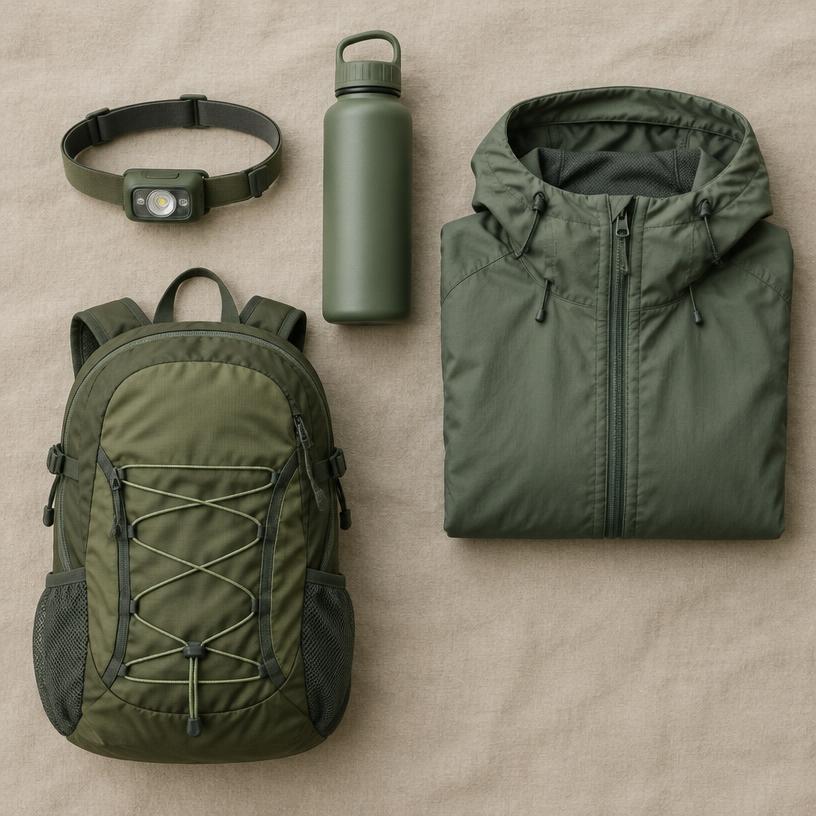
Build a simple daily rhythm: breakfast at your lodging, one main hike, a town stop for supplies, and an unhurried evening back at your base. Bring layers, a rain shell, a headlamp, and easy meals that fit the available cooking setup. Do not plan dinner around a campfire unless current rules allow one. For outings, consult official Washington State Parks and Forest Service sites for conditions, parking passes, and reservations. Your host can explain the property, but official land managers are the source for public trail closures.
Quick answers about Columbia River Gorge Washington
When is the best time to go glamping near Columbia River Gorge Washington?
April – October offers the most comfortable glamping weather near Columbia River Gorge Washington.
How do you get to glamping near Columbia River Gorge Washington?
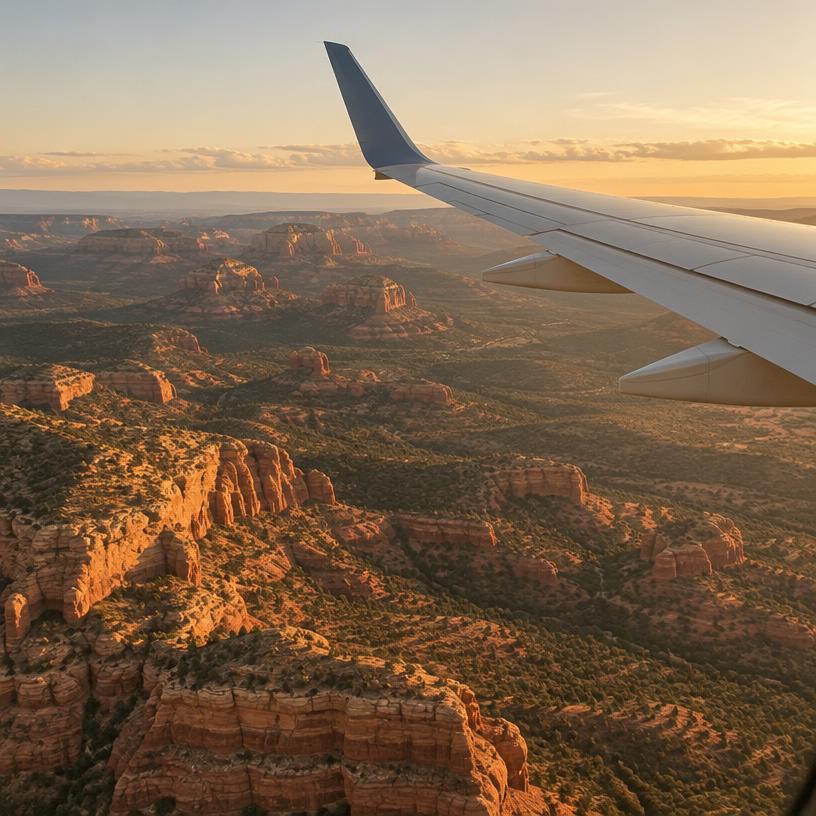
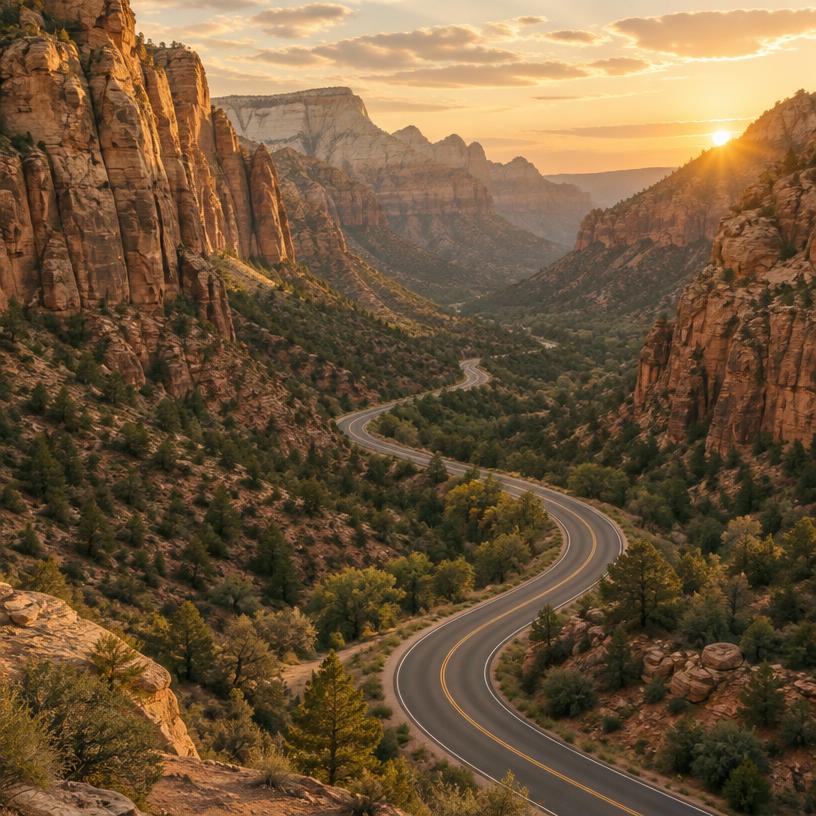
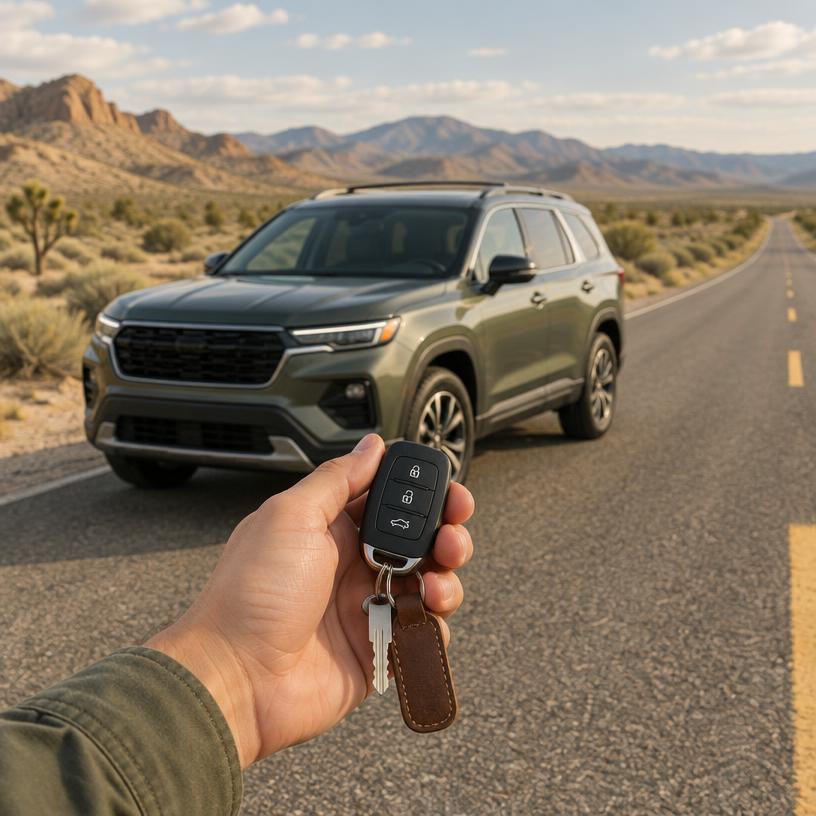
Fly into PDX, about 1 h 10 min away by car, then drive — most sites need a car.
Do glamping sites near Columbia River Gorge Washington sell out?
Yes, popular sites often book out months ahead in peak season, so reserve early.
Airport car & SUV rentals
- ✓ Compare suppliers at PDX
- ✓ Free cancellation on many rates
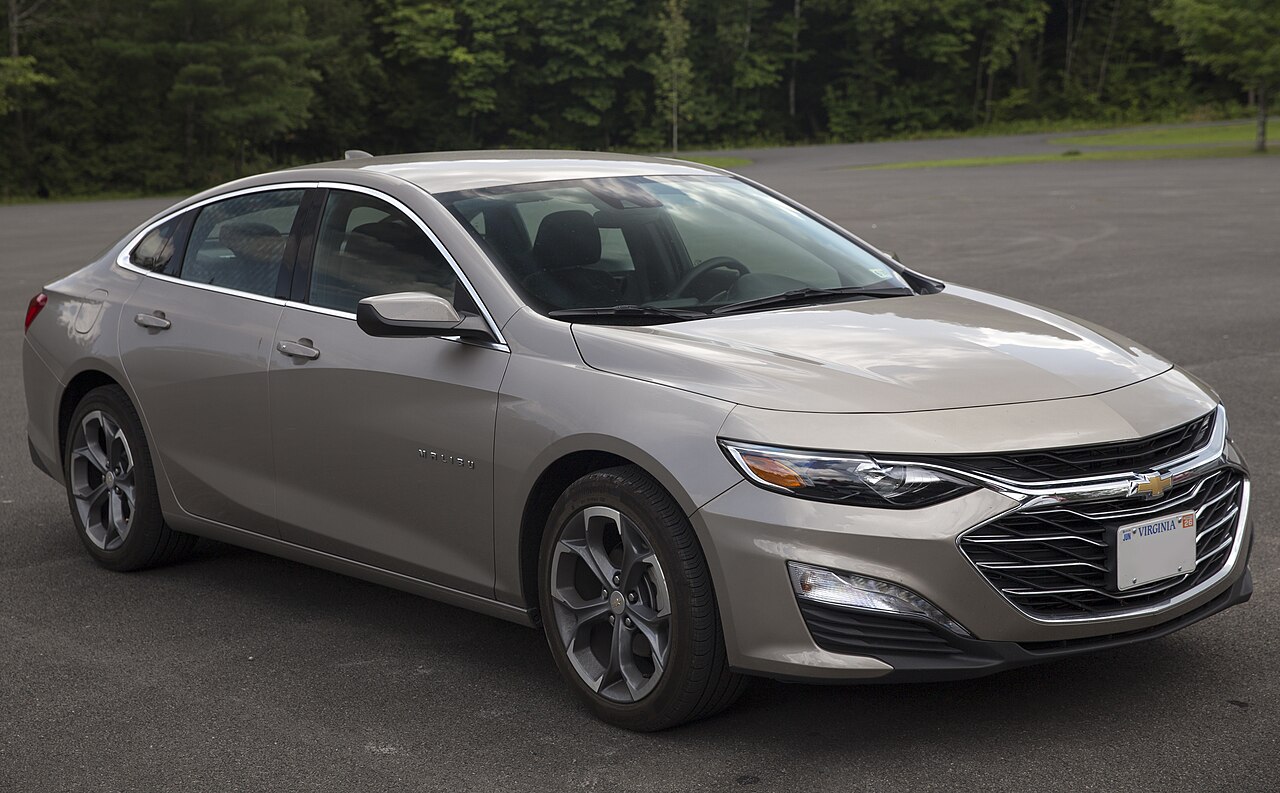
Standard car rentals at PDX
Est. from $45/day · typical rate
Pick your dates and vehicle class.
Compare rates at PDX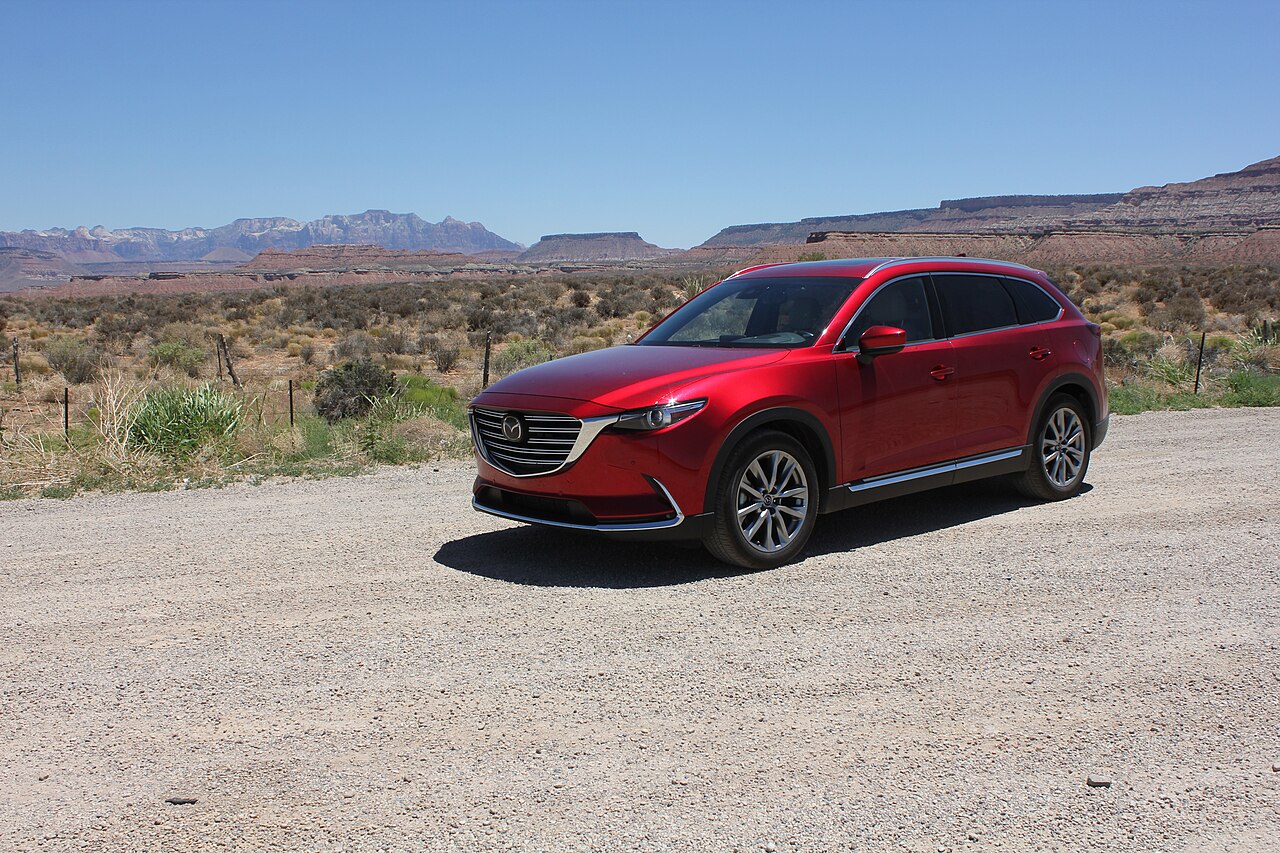
- ✓ Compare suppliers at PDX
- ✓ Free cancellation on many rates
SUV rentals at PDX
Est. from $55/day · typical rate
Pick your dates and vehicle class.
Compare rates at PDXViator
Tours & experiences near Columbia River Gorge Washington
Explore guided activities around Columbia River Gorge Washington. Check the meeting point, dates and availability on Viator before booking.
Open tour listings separately