 Arrival airport
 Airport drive
 Reservation demand
 Best season
Zion rewards both ambitious hikers and travelers who would rather take a short walk, find a shady bench, and watch the canyon light change. You do not need an Angels Landing permit or a full day in the Narrows to have a memorable visit. Start with the main canyon, then add a scenic drive or a quieter corner of the park according to your energy, transportation, and the latest conditions.
 Step 1
Start with the Main Canyon's Big Views
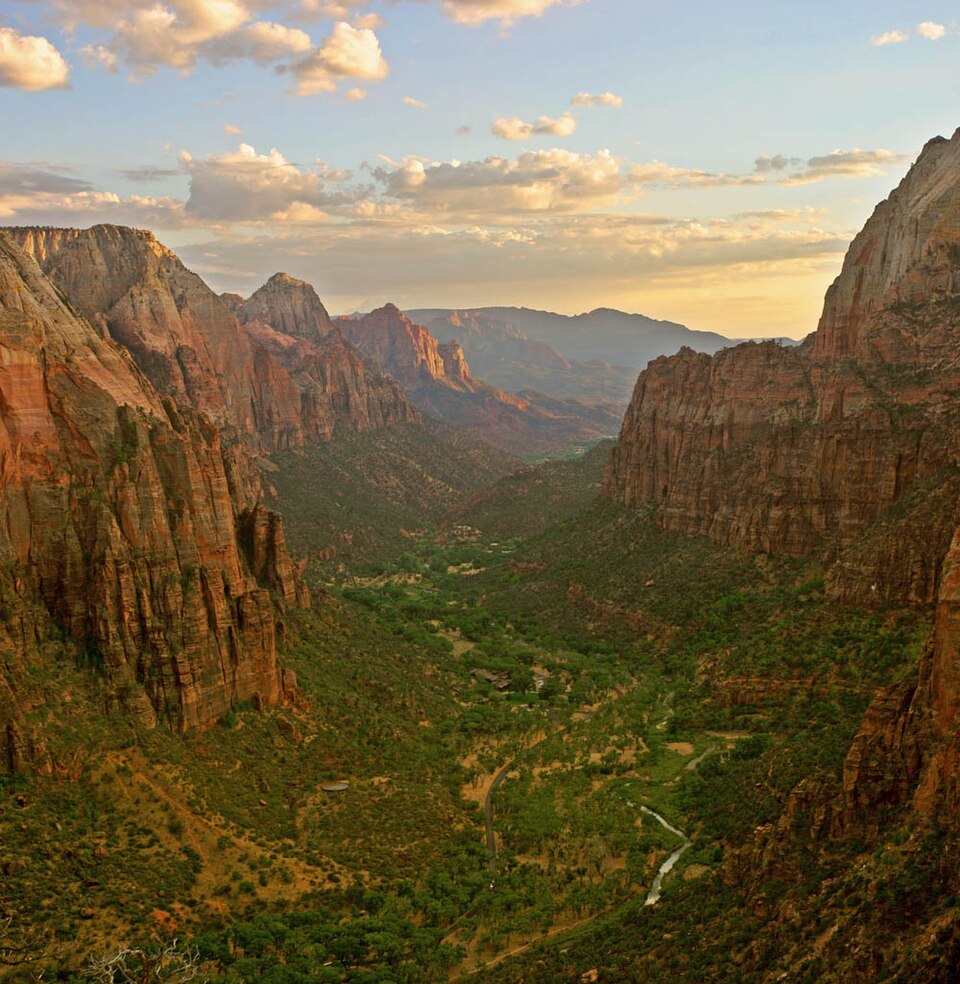
Zion Canyon is the natural starting point for a first visit. During shuttle season, ride the park shuttle and choose a few stops rather than treating every stop as mandatory. The Court of the Patriarchs viewpoint offers a relatively short approach to striking sandstone views, while the canyon floor gives you plenty to appreciate without a major climb.
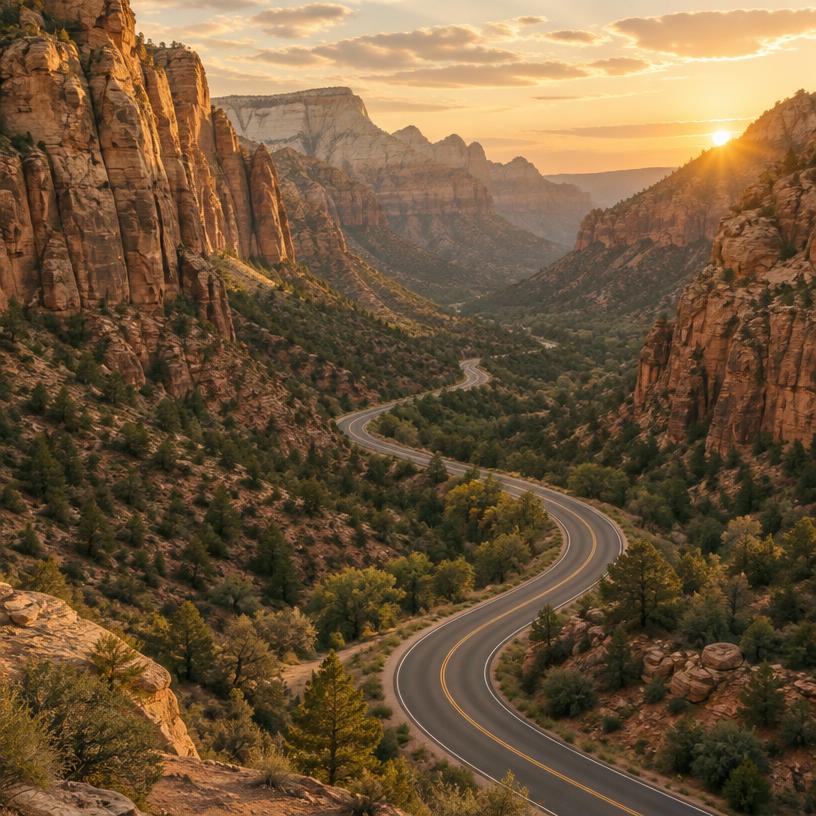
For a different perspective, drive the Zion–Mount Carmel Highway through the park's eastern landscape. Curves, tunnels, and limited parking make this a route to take slowly, with stops only in designated areas. Larger vehicles face special restrictions, so check official NPS requirements before bringing an RV or oversized vehicle. Review current road and shuttle information before setting out.
 Step 2
Choose a Hike That Fits Your Group
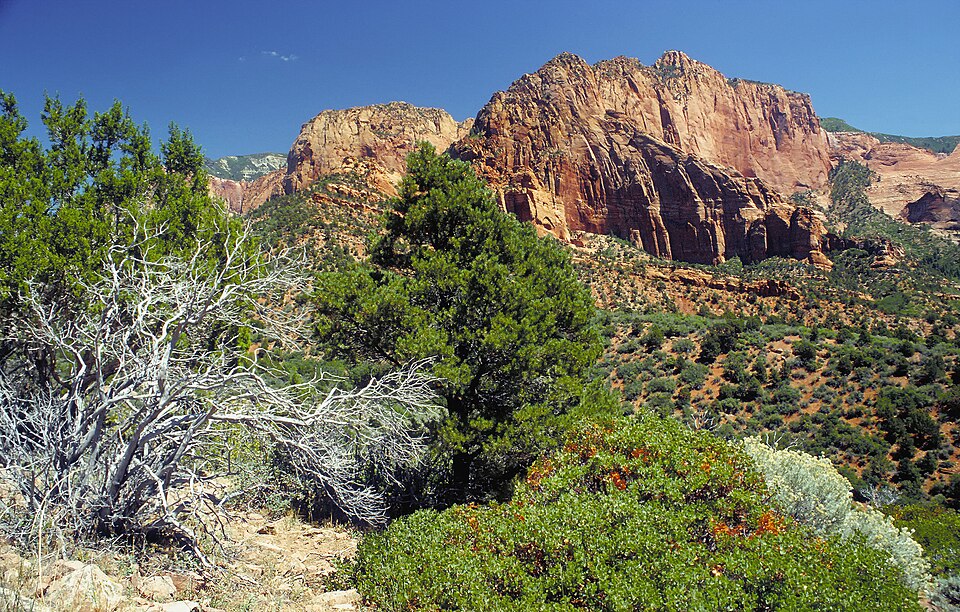
The Watchman Trail offers an uphill outing near the visitor center, while Canyon Overlook provides a shorter route with uneven footing and exposed edges. Neither should be judged by mileage alone. Parking near Canyon Overlook is limited, so have another plan rather than waiting in an unsafe roadside location.
Angels Landing is a strenuous, highly exposed hike requiring a permit for its chain-assisted section. Scout Lookout is a separate turnaround before that section, but reaching it still involves a sustained climb. Choose according to your experience and comfort with heights, not a must-do checklist. Check the official park site for current trail closures, permit details, and weather before committing to any route.
 Step 3
Experience the River and Watch for Wildlife
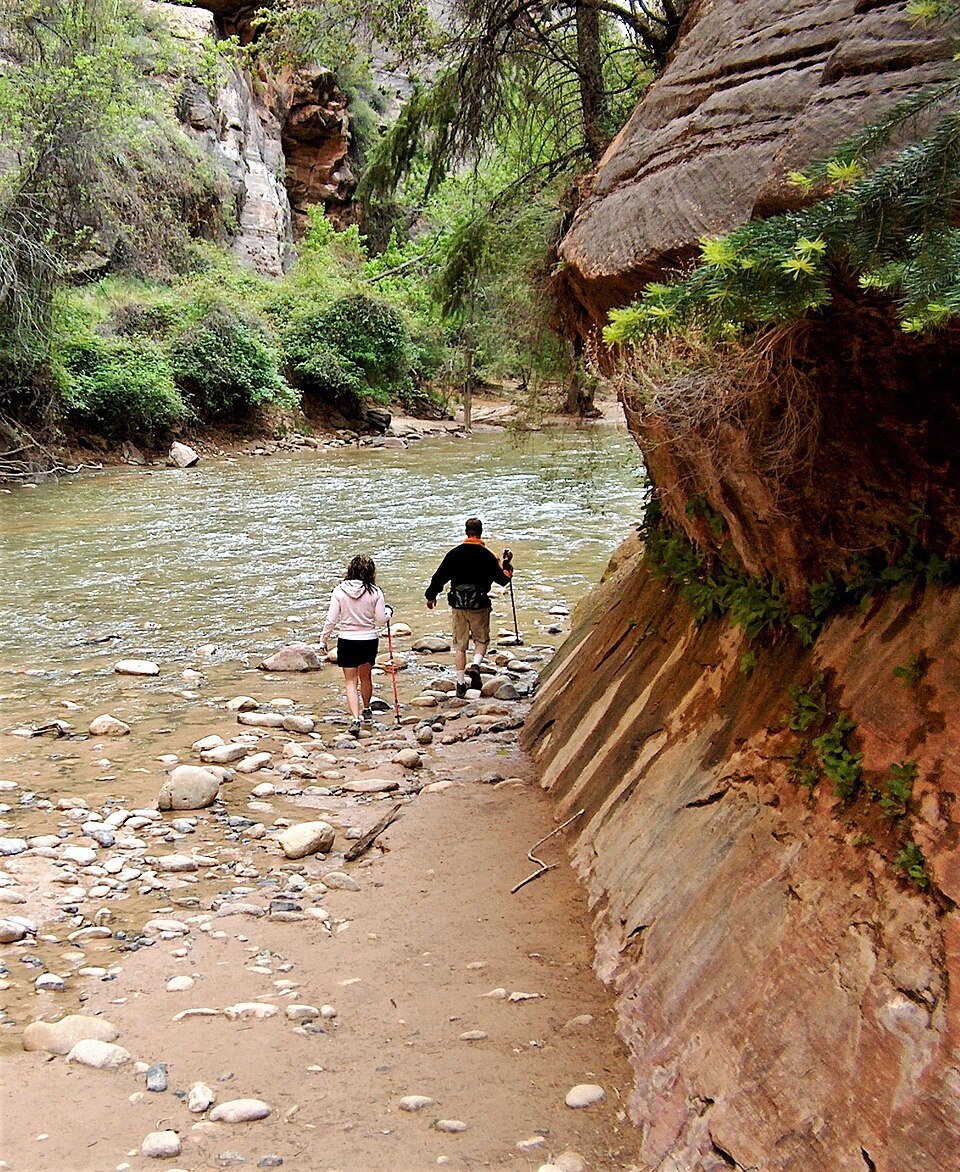
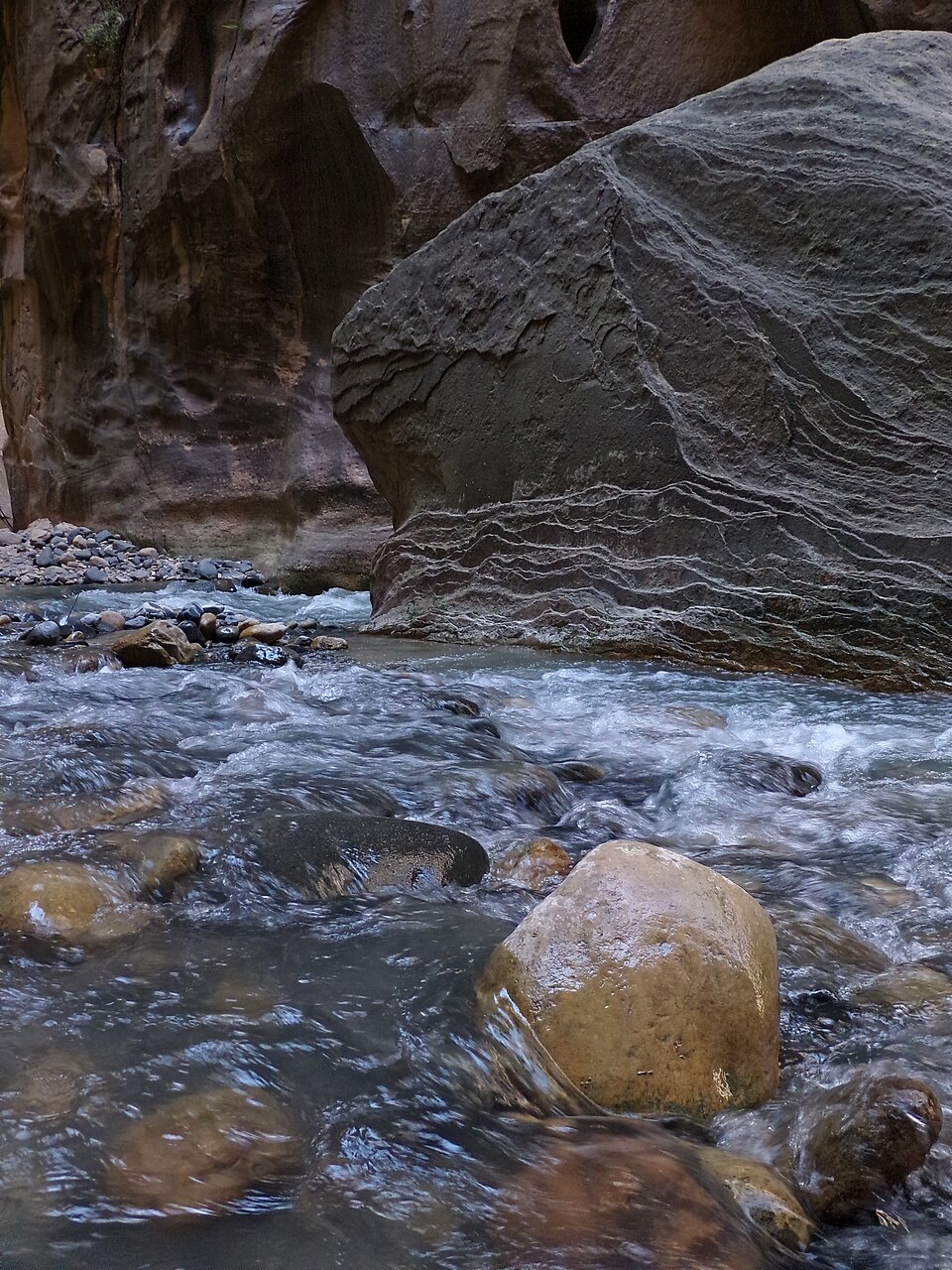
Riverside Walk follows the canyon beside the Virgin River and leads to the beginning of the bottom-up Narrows route. Continuing into the Narrows means walking in moving water over uneven river stones, not simply following a wet trail. Water temperature, flow, flash-flood potential, and water-quality advisories all matter; check official conditions before deciding whether to enter.
A riverside visit can also be a chance to notice mule deer, wild turkeys, and birds among the cottonwoods. Desert bighorn sheep are associated with the park's rocky terrain, including its eastern side, though sightings are never assured. Give wildlife space, never feed animals, and avoid approaching them for photographs. River water should not be assumed drinkable.
 Step 4
Keep a Family Visit Flexible
For families, the Pa'rus Trail offers a paved route with canyon views and places to pause along the way. Riverside Walk is another option, though crowds, slopes, and changing surface conditions may affect how comfortable it feels with a stroller or tired children. Bikes share the Pa'rus Trail, so keep younger walkers close and aware of passing traffic.
Ask about the Junior Ranger program at the visitor center, and let children help choose one daily highlight. A short walk, a shuttle ride, and time to sketch a rock formation may work better than a long hiking agenda. Carry snacks, layers, sun protection, and enough water, and stay back from riverbanks and exposed edges.
Step 5Have a Rainy-Day Alternative
Rain can deepen the sandstone's colors, but storms are not an invitation to enter narrow canyons or chase waterfalls. Flash flooding, slippery rock, and falling debris can change access quickly. Leave the Narrows and other slot-canyon plans off the agenda when conditions are unsuitable, and follow closures rather than trying to find an unofficial way around them.
Use unsettled weather for visitor-center exhibits, ranger information, or the Zion Human History Museum when it is open. In Springdale, an unhurried meal or gallery visit offers another indoor option without requiring a packed schedule. Scenic driving is an alternative only when road and weather conditions allow. Check official park alerts before leaving your lodging, and be willing to wait.
Quick answers about Zion National Park
What are the top things to do in Zion National Park?
Highlights include Start with the Main Canyon's Big Views, Choose a Hike That Fits Your Group, Experience the River and Watch for Wildlife, Keep a Family Visit Flexible.
How much time do you need to see Zion National Park?
Plan 3–4 days to cover the main sights at a comfortable pace.
When is the best time for activities in Zion National Park?
March – May, September – November usually offers the widest choice of open activities and tours.
Airport car & SUV rentals

- ✓ Compare suppliers at SGU
- ✓ Free cancellation on many rates
Standard car rentals at SGU
Est. from $45/day · typical rate
Pick your dates and vehicle class.
Compare rates at SGU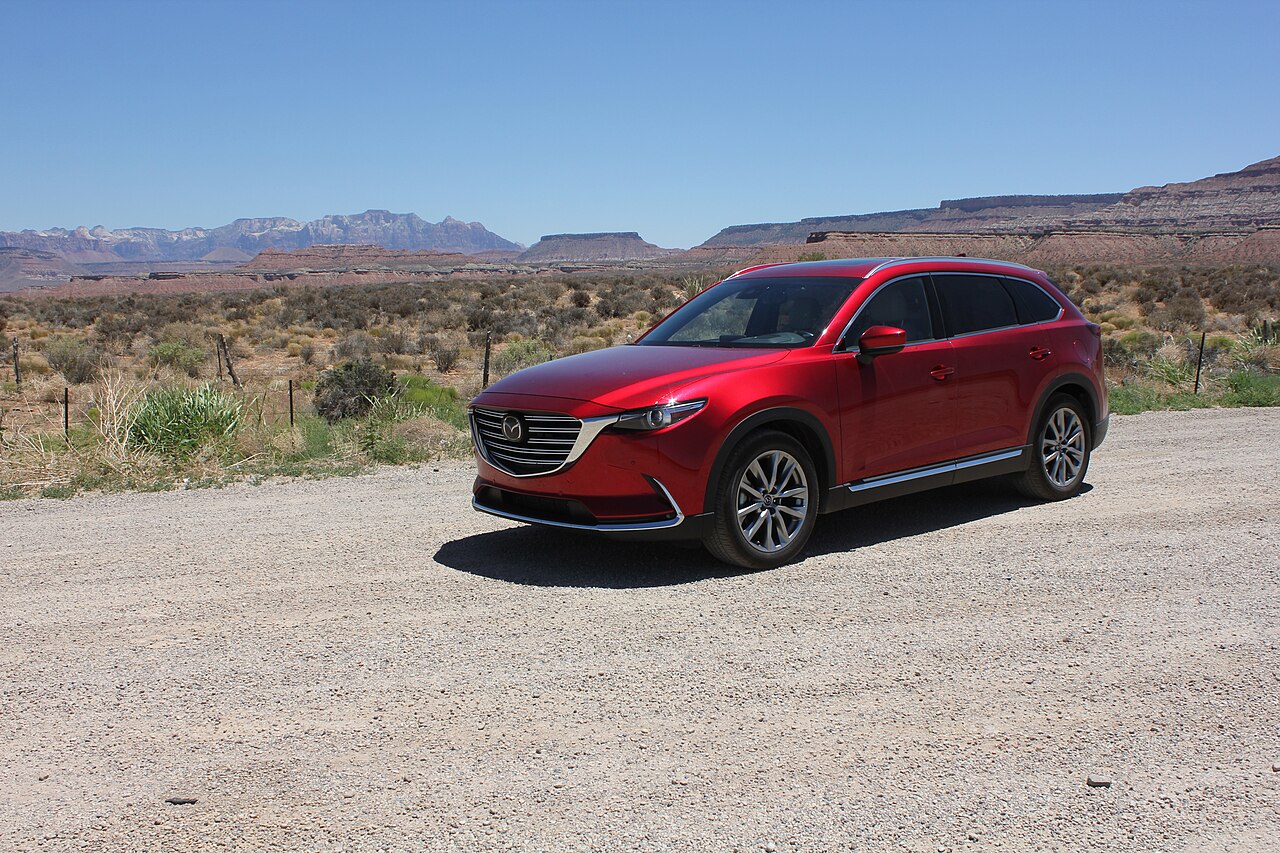
- ✓ Compare suppliers at SGU
- ✓ Free cancellation on many rates
SUV rentals at SGU
Est. from $55/day · typical rate
Pick your dates and vehicle class.
Compare rates at SGUViator
Tours & experiences near Zion National Park
Explore guided activities around Zion National Park. Check the meeting point, dates and availability on Viator before booking.
Open tour listings separately