 Arrival airport
 Airport drive
 Reservation demand
 Best season
Bryce Canyon rewards both short stops and unhurried exploration: you can admire its orange hoodoos from the rim, then follow switchbacks down among them for a completely different perspective. A two- to four-day visit leaves room for classic overlooks, a substantial hike, and an evening outside under a dark sky. Balance those highlights with the realities of high elevation, changing weather, and the uphill return on most below-rim trails.
 Step 1
See the Main Amphitheater from the Rim
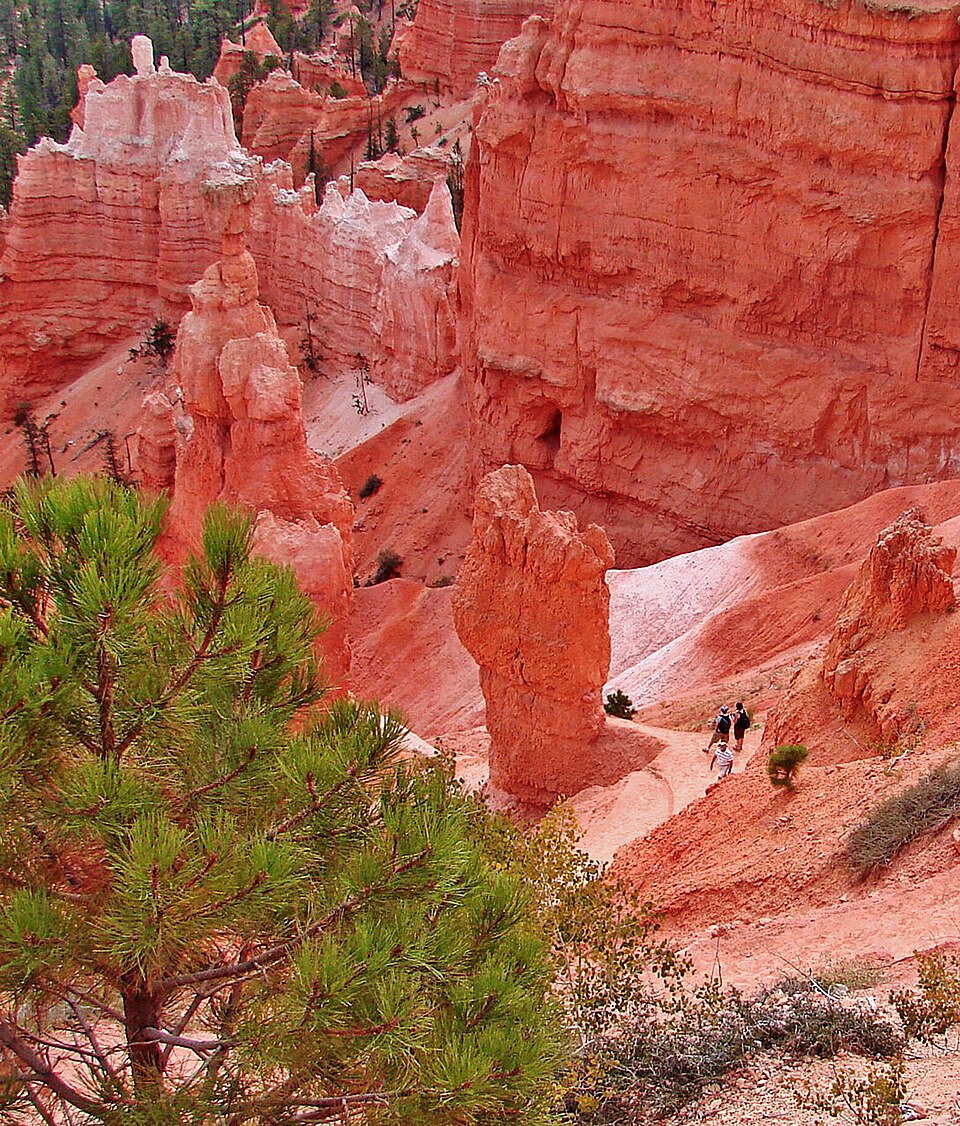
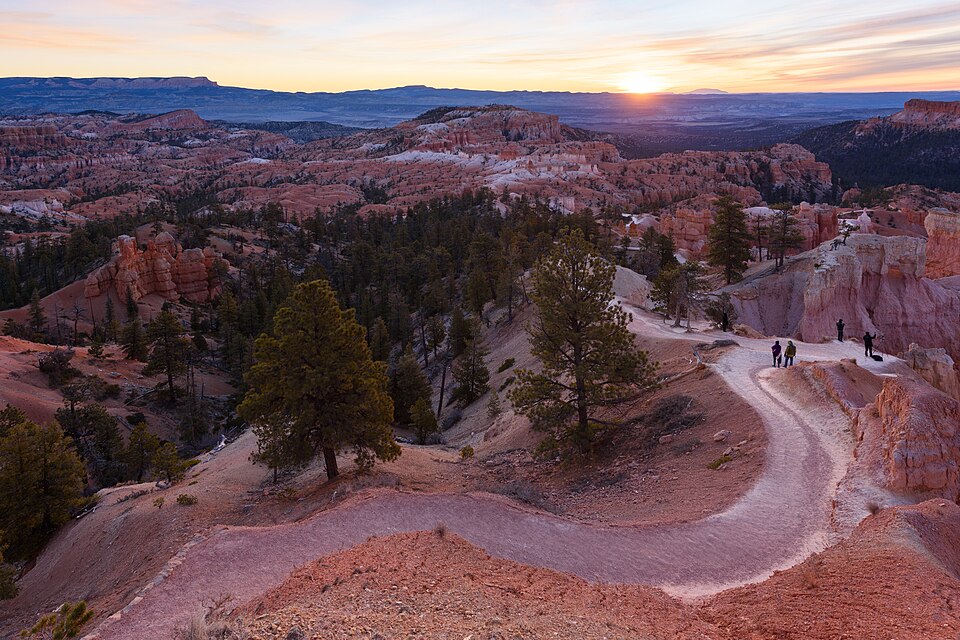
Start with Sunrise Point, Sunset Point, Inspiration Point, or Bryce Point for broad views across the park’s most recognizable hoodoo formations. Each presents a different angle, so you do not need to chase a single supposedly perfect viewpoint. Sunrise brings changing light across the rocks, while later visits reveal different shadows and colors.
For an easy introduction, walk the relatively level, paved section of Rim Trail between Sunrise and Sunset Points when conditions allow. Other rim sections have more uneven ground or elevation change. Stay behind barriers and well back from unprotected edges. Parking can fill at popular overlooks; check whether the seasonal shuttle serves your planned stops before driving between them.
 Step 2
Hike Among Hoodoos or Take the Scenic Drive
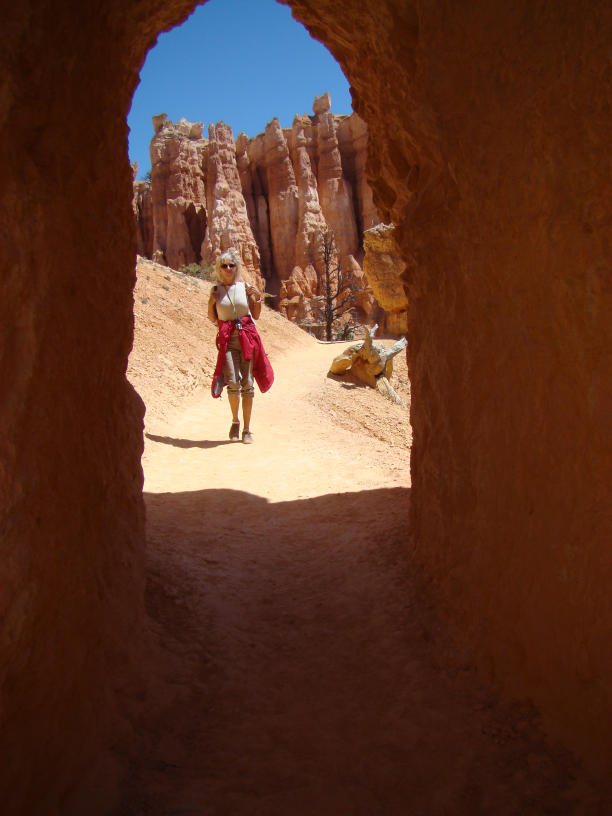
The Queen’s Garden and Navajo Loop combination is a classic introduction to hiking below the rim. Expect roughly three miles of walking, depending on the exact route, plus a sustained climb back out. Trail branches can close, including the seasonal Wall Street section, so follow the currently open route rather than an old map or saved itinerary.
For a different perspective, drive the park road toward Rainbow Point and stop at overlooks along the way. The southern viewpoints sit higher than the main amphitheater and can have colder conditions. Allow several hours if you want unhurried stops. Check road status first, and remember that the shuttle does not cover the full scenic drive.
 Step 3
Watch Wildlife and Spend an Evening Under the Stars
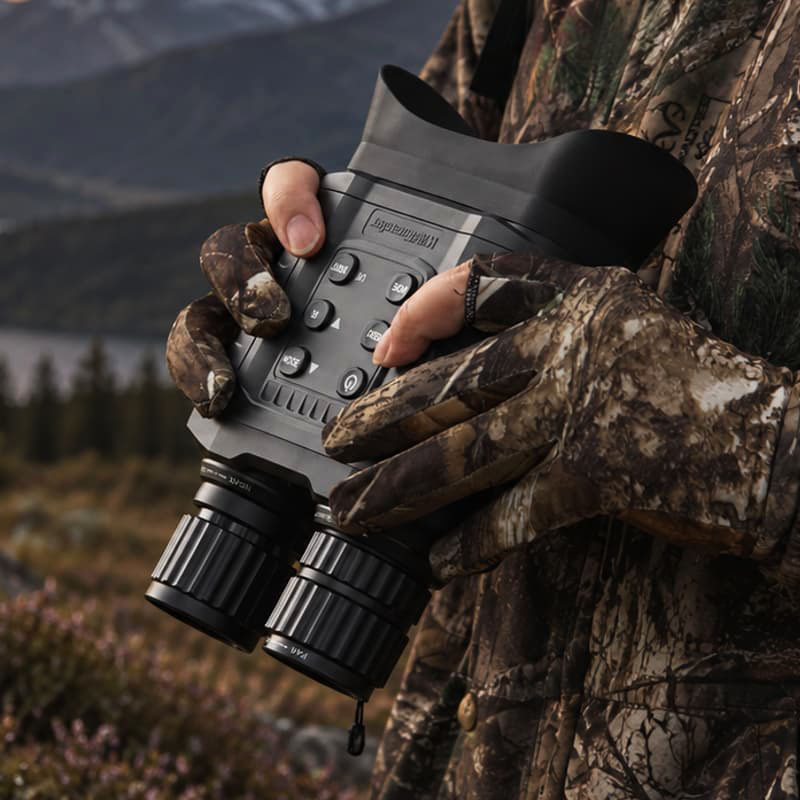
Bryce’s forests and meadows support animals such as mule deer, birds, and the Utah prairie dog. Watch quietly from a distance, using binoculars or a zoom lens instead of approaching. Never feed wildlife, and slow down when driving near dawn or dusk, when animals may be harder to see along the road.
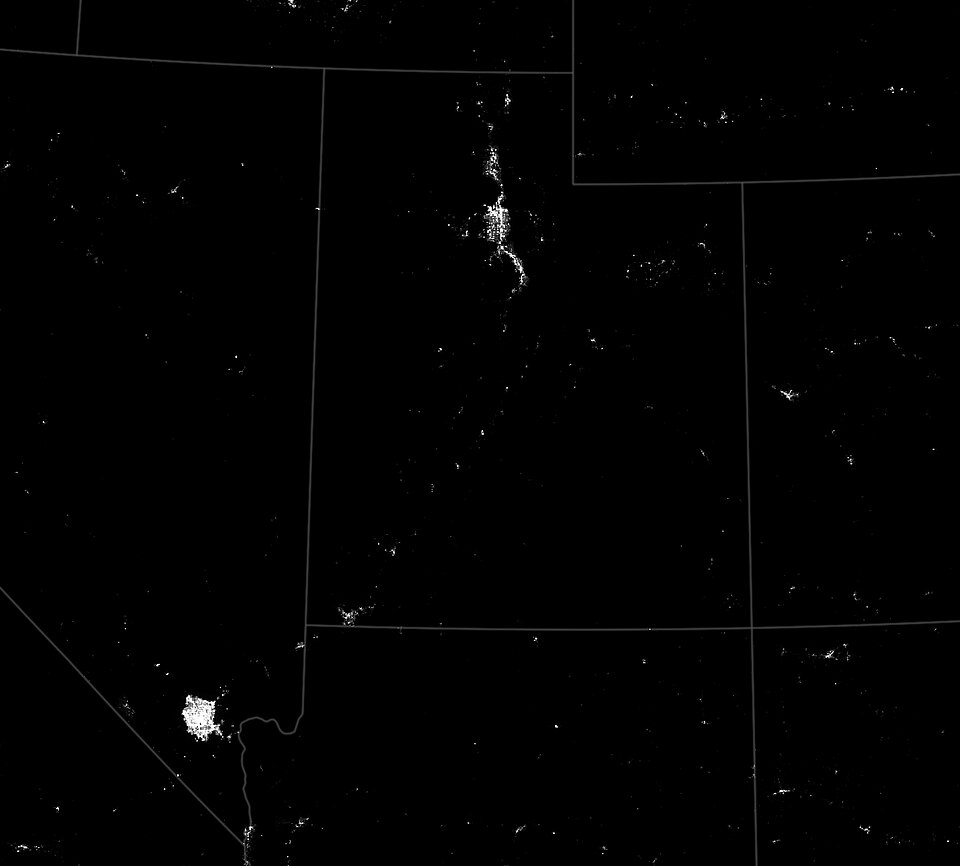
After dark, stargazing is another major attraction. Bryce is recognized for its dark skies, though moonlight, clouds, and smoke can affect visibility on any particular night. Choose an established viewing area, bring warm layers and a dim red light, and avoid walking near rim edges in darkness. Check the official NPS calendar for astronomy programs and any registration requirements.
 Step 4
Keep a Family Visit Short, Varied, and Flexible
With kids, begin with a short rim walk and let the view set the pace before committing to a hike below the rim. The paved section between Sunrise and Sunset Points can be a manageable introduction when clear, but elevation, weather, and individual mobility still matter. Keep children close around edges and busy parking areas.
Ask at the visitor center about the Junior Ranger program and currently available ranger activities. A picnic and a few carefully chosen overlooks may work better than a full day of repeated car stops. Carry snacks, water, sun protection, and extra layers. If you descend into the amphitheater, turn around while everyone still has energy for the uphill return.
Step 5Use Rainy Weather for Learning, Not Risky Trail Goals
The visitor center is a useful first stop during unsettled weather, with exhibits that explain the park’s geology and natural history. Ask rangers about current trail conditions and available indoor interpretation. Indoor options inside the park are limited, so a meal break or downtime at your lodging may be more practical than trying to fill every hour.
If rain passes and conditions improve, consider a short visit to an open overlook. Do not linger at exposed viewpoints during thunderstorms, and avoid descending onto muddy or icy trails just to complete a checklist. Snow can also interrupt plans outside summer. Check the official NPS website for alerts, closures, current programs, and any activity reservation requirements.
Quick answers about Bryce Canyon National Park
What are the top things to do in Bryce Canyon National Park?
Highlights include See the Main Amphitheater from the Rim, Hike Among Hoodoos or Take the Scenic Drive, Watch Wildlife and Spend an Evening Under the Stars, Keep a Family Visit Short, Varied, and Flexible.
How much time do you need to see Bryce Canyon National Park?
Plan 2–3 days to cover the main sights at a comfortable pace.
When is the best time for activities in Bryce Canyon National Park?
May – October usually offers the widest choice of open activities and tours.
Airport car & SUV rentals
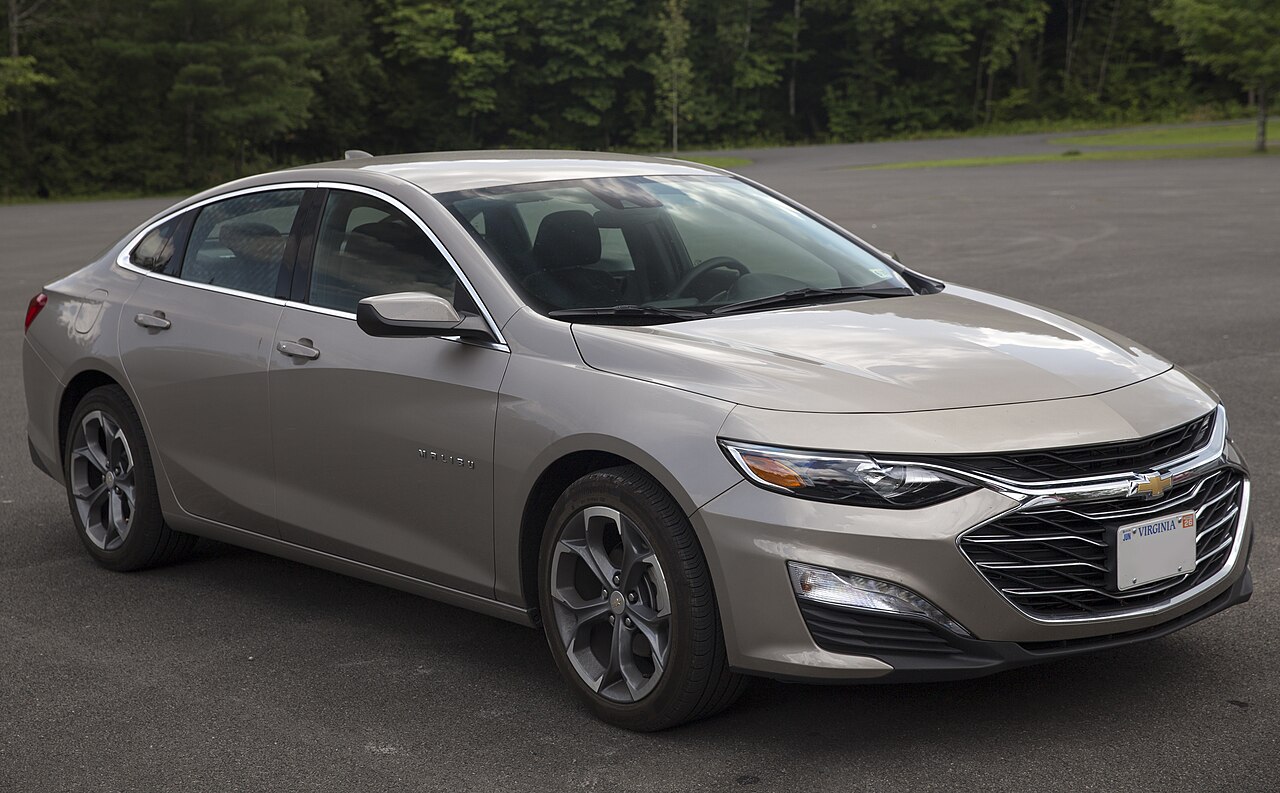
- ✓ Compare suppliers at CDC
- ✓ Free cancellation on many rates
Standard car rentals at CDC
Est. from $45/day · typical rate
Pick your dates and vehicle class.
Compare rates at CDC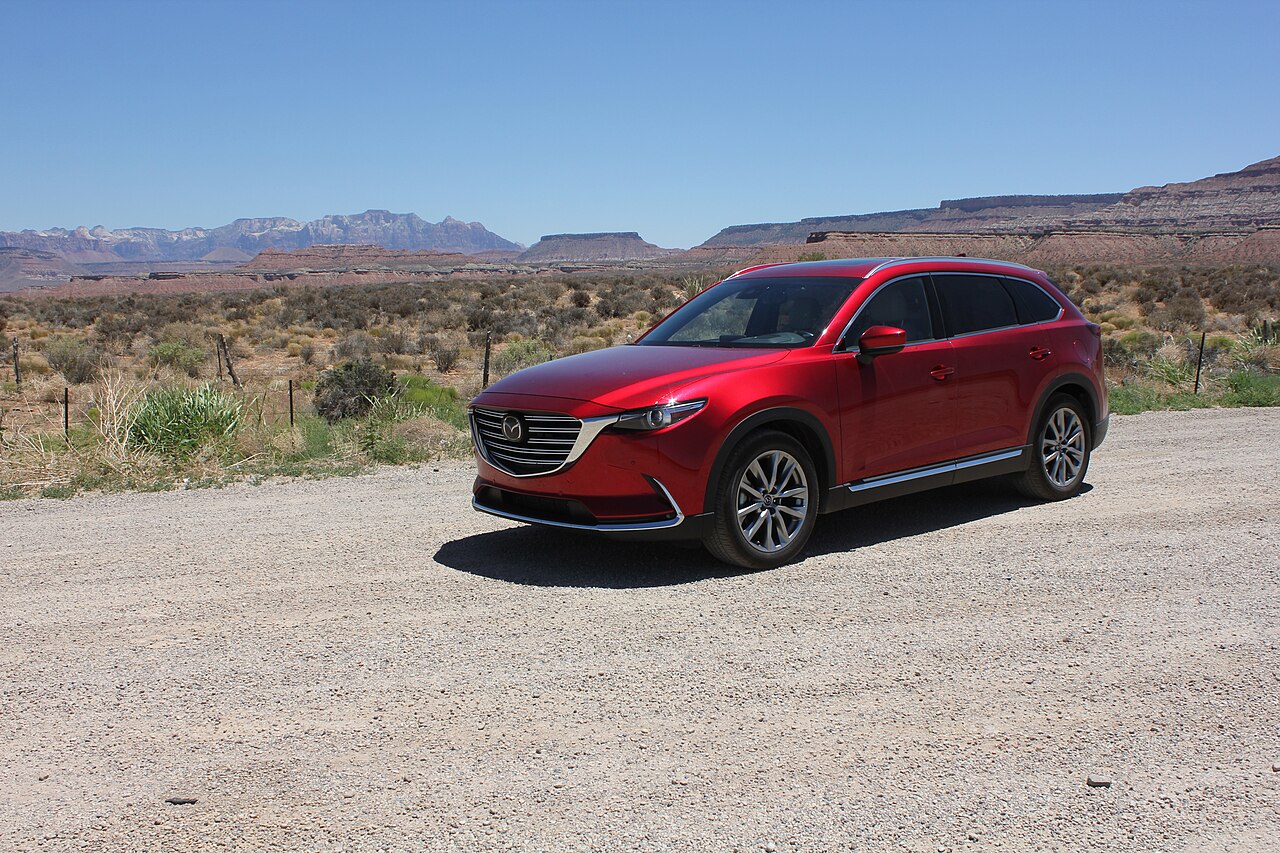
- ✓ Compare suppliers at CDC
- ✓ Free cancellation on many rates
SUV rentals at CDC
Est. from $55/day · typical rate
Pick your dates and vehicle class.
Compare rates at CDCViator
Tours & experiences near Bryce Canyon National Park
Explore guided activities around Bryce Canyon National Park. Check the meeting point, dates and availability on Viator before booking.
Open tour listings separately