 Arrival airport
 Airport drive
 Reservation demand
 Best season
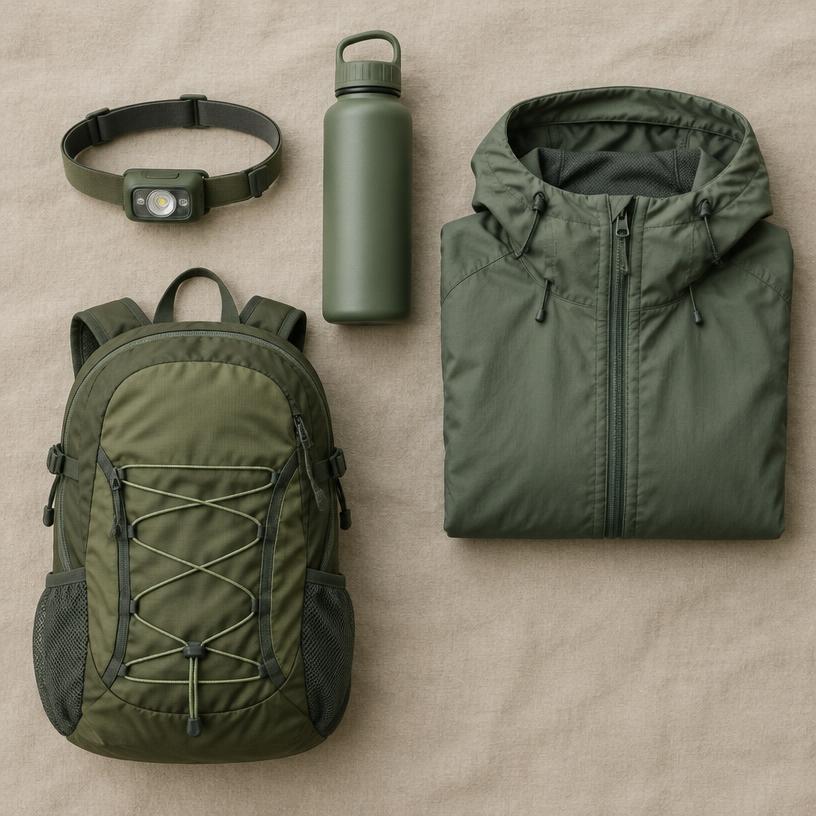
May through June and September through October are usually the most comfortable windows for exploring Badlands National Park, especially if hiking and camping are priorities. Spring brings greener prairie, while fall often offers cooler walking weather and fewer visitors than midsummer. Every season has tradeoffs: wind can reshape an afternoon, summer heat limits exposed hikes, and winter weather can complicate driving across southwestern South Dakota.
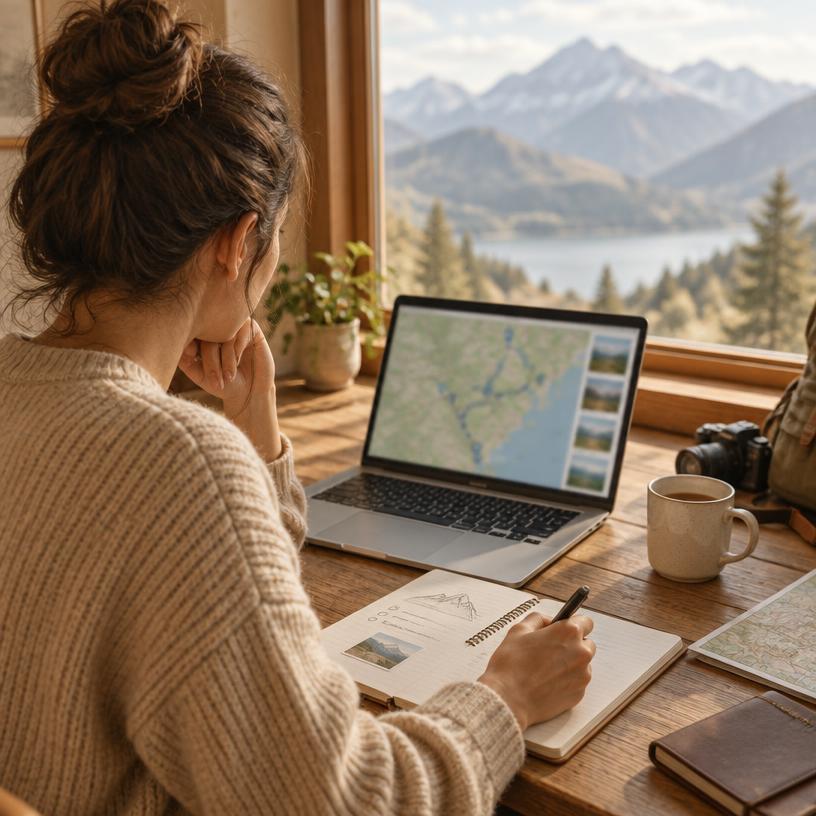 Spring
: Greener Prairie and Changeable Weather
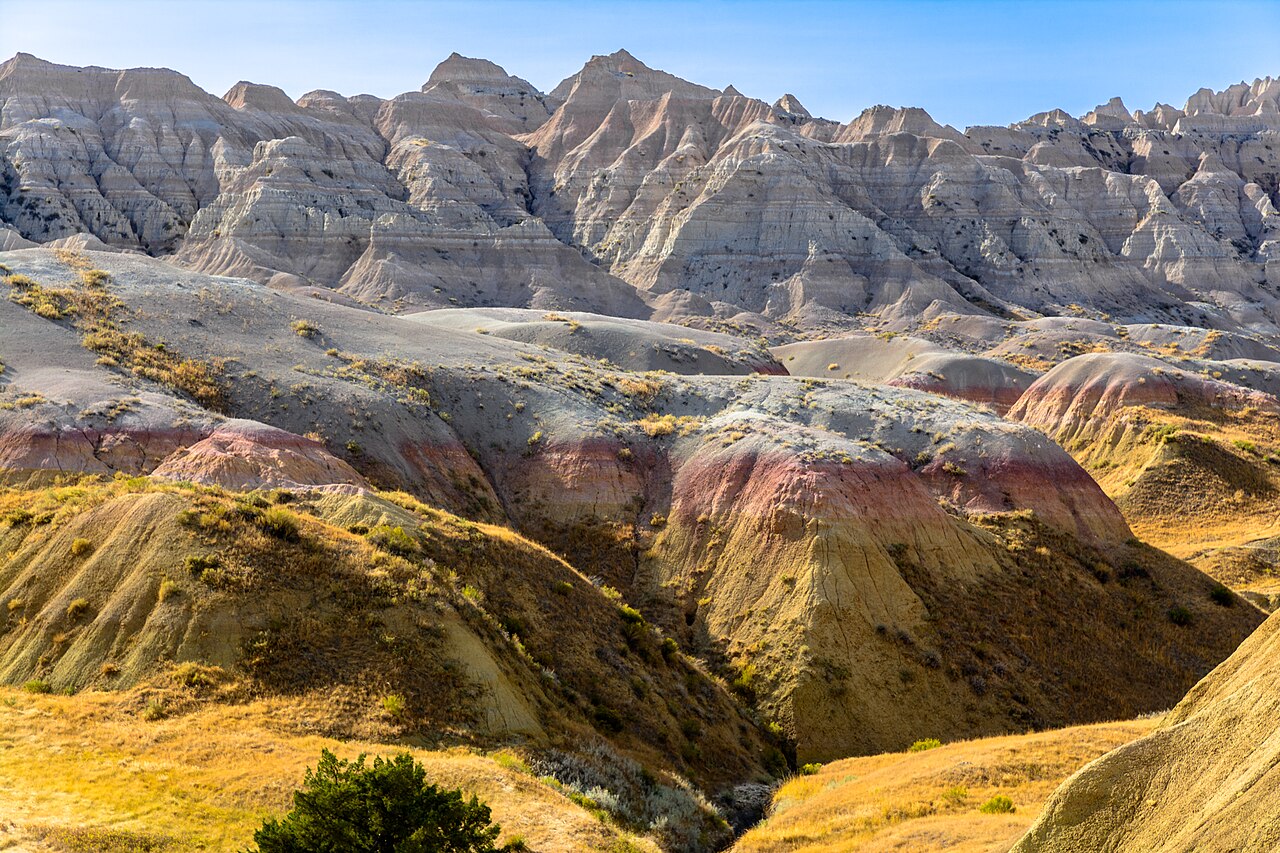
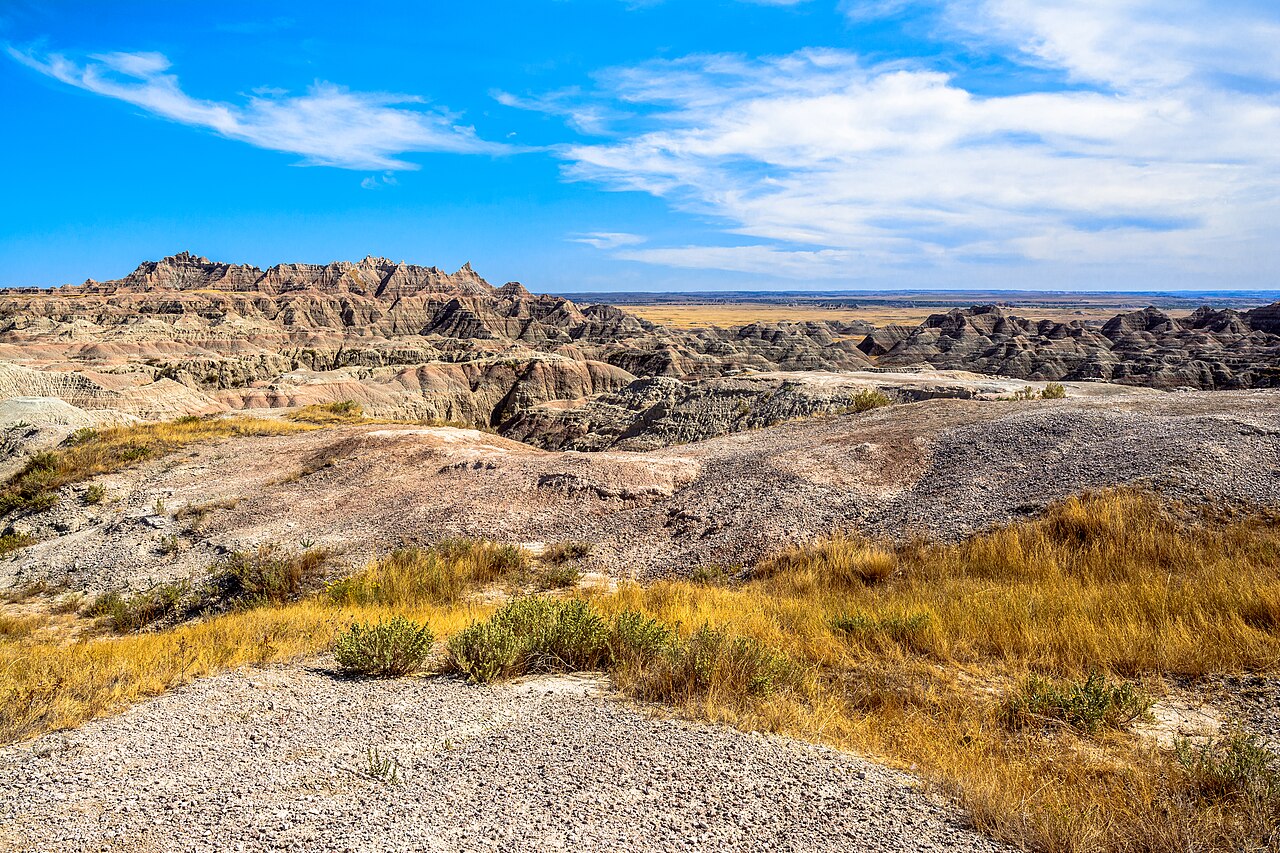
Spring gradually softens the prairie, with fresh grass and possible wildflowers adding color around the park’s layered formations. May and June are appealing for travelers who want longer daylight without planning every walk around peak summer heat. Wildlife watching can also be rewarding, though sightings are never guaranteed.
Pack for substantial temperature swings rather than assuming spring means mild weather all day. Cold mornings, strong wind, rain, and occasional late snow can affect plans. After rain, the park’s clay-rich ground becomes slick and muddy, making some trails unpleasant or difficult. Keep a scenic-drive alternative ready, and check the official NPS site for road and trail conditions before setting out.
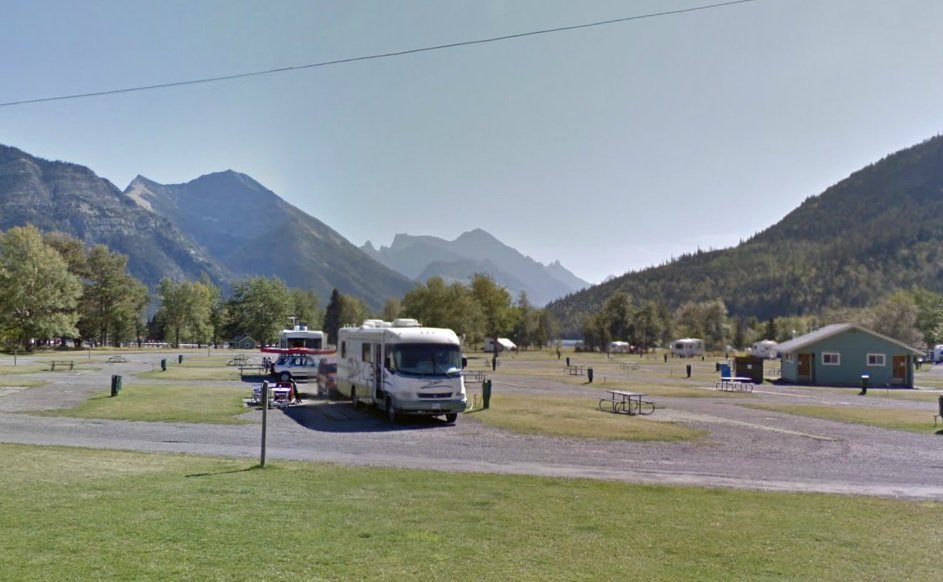 Summer
: Long Days, More Visitors, and Exposed Trails
Summer brings long daylight hours and a busy road-trip atmosphere, especially around the main scenic corridor and popular trailheads. It works well for families tied to school vacations, but the Badlands offer little shade. Plan your main walk near sunrise, spend the hottest part of the day indoors or resting, and return to overlooks toward evening.
Carry plenty of drinking water, use sun protection, and watch the forecast for thunderstorms. An open overlook is not a place to linger when thunder develops; move to a substantial building or enclosed vehicle. Book summer lodging and reservable campsites ahead, particularly for weekends and holidays, and expect competition for parking at popular stops.
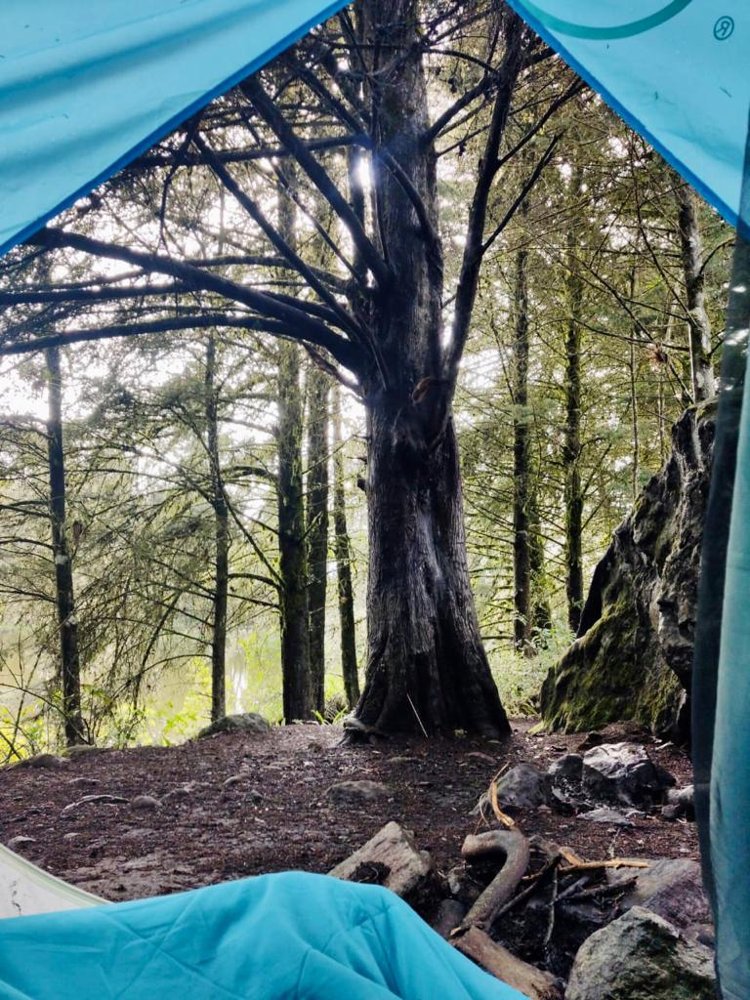 Fall
Fall: Comfortable Hiking Windows and Quieter Stops
September and October often strike a useful balance between manageable daytime temperatures and lighter crowds. Early fall can still feel summery, while later October brings a greater chance of freezing nights and snow. For a hiking-focused visit, leave room to shift your longer walk to the calmer, warmer day of your trip.
Shorter daylight matters if you are combining the park with the Black Hills or a long airport transfer. Start scenic drives early enough to avoid rushing, especially when wildlife is active near roads. Some nearby lodging and campground services operate seasonally, so confirm availability directly. Bring a warm layer even when the afternoon forecast looks pleasant.
WinterWinter: Solitude with More Weather Constraints
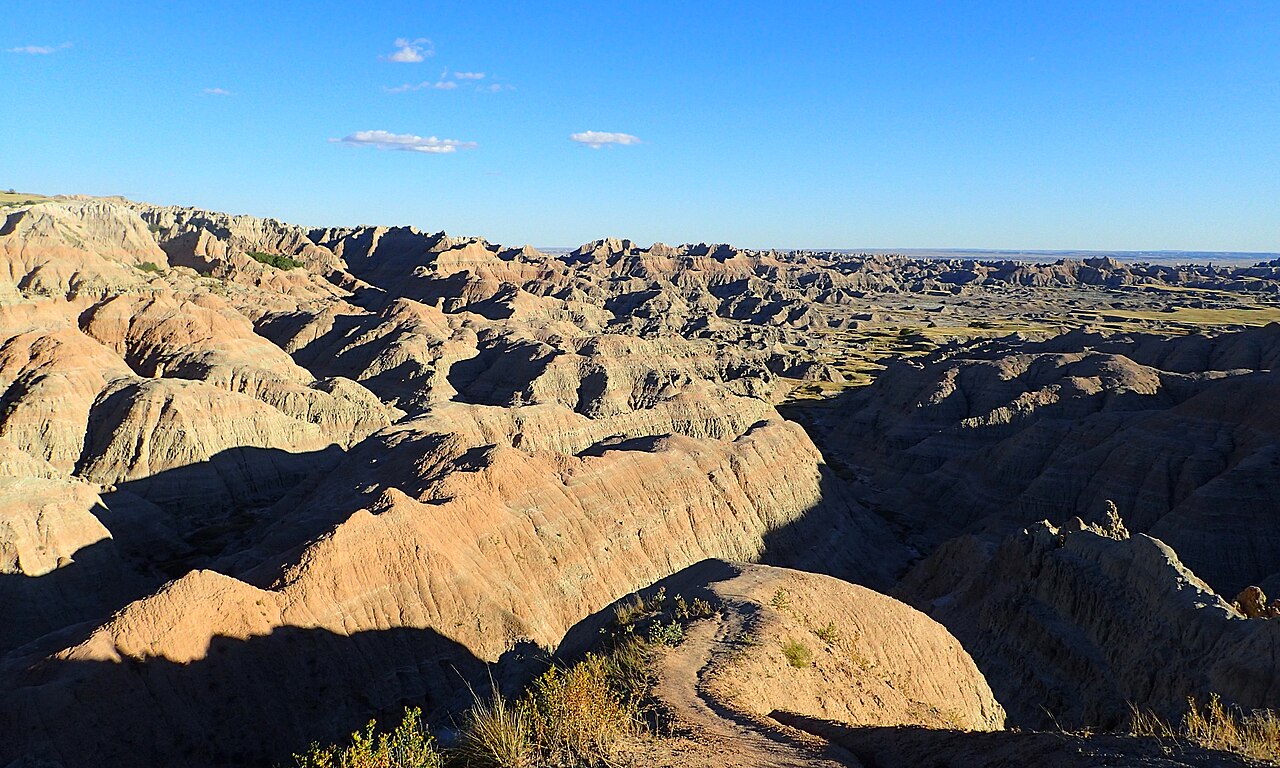
Winter can reveal a striking contrast between pale snow, dark prairie, and colorful rock layers. Visitor numbers are generally lower, and clear days can be excellent for photography from accessible overlooks. The tradeoff is a less predictable trip: snow, ice, wind, and severe cold can affect both park roads and the highways used to reach them.
Build your visit around short outings and a dependable indoor overnight base rather than an ambitious hiking checklist. Carry winter driving supplies and check both NPS alerts and South Dakota road reports before traveling. Do not assume every campground facility, nearby restaurant, or visitor service will be operating. Keep enough flexibility to postpone the park portion if conditions deteriorate.
 Step 5
Crowds and When to Make Reservations
For fewer people at the main overlooks, aim for a weekday in late spring or early fall and start early. Summer weekends and holiday periods tend to draw more road-trippers, while sunrise usually offers a quieter experience than midday. Popular short trails can feel busy even when the wider landscape looks empty.
Reserve lodging or a reservable campsite once your travel dates are firm, ideally several months ahead for summer and holiday trips. There is no single booking window for every accommodation, and not all camping options use reservations. Check the official Badlands National Park NPS site for current campground arrangements, fees, operating seasons, and alerts. Recheck conditions shortly before departure rather than relying only on an early reservation confirmation.
More ways to book Badlands National Park
Quick answers about Badlands National Park
What month is best to visit Badlands National Park?
Most visitors find May – June, September – October the best window for Badlands National Park, with the most reliable weather and access.
When should you avoid visiting Badlands National Park?
Outside May – June, September – October, weather and seasonal closures can limit roads, trails and services. Check current conditions before booking.
Airport car & SUV rentals

- ✓ Compare suppliers at RAP
- ✓ Free cancellation on many rates
Standard car rentals at RAP
Est. from $45/day · typical rate
Pick your dates and vehicle class.
Compare rates at RAP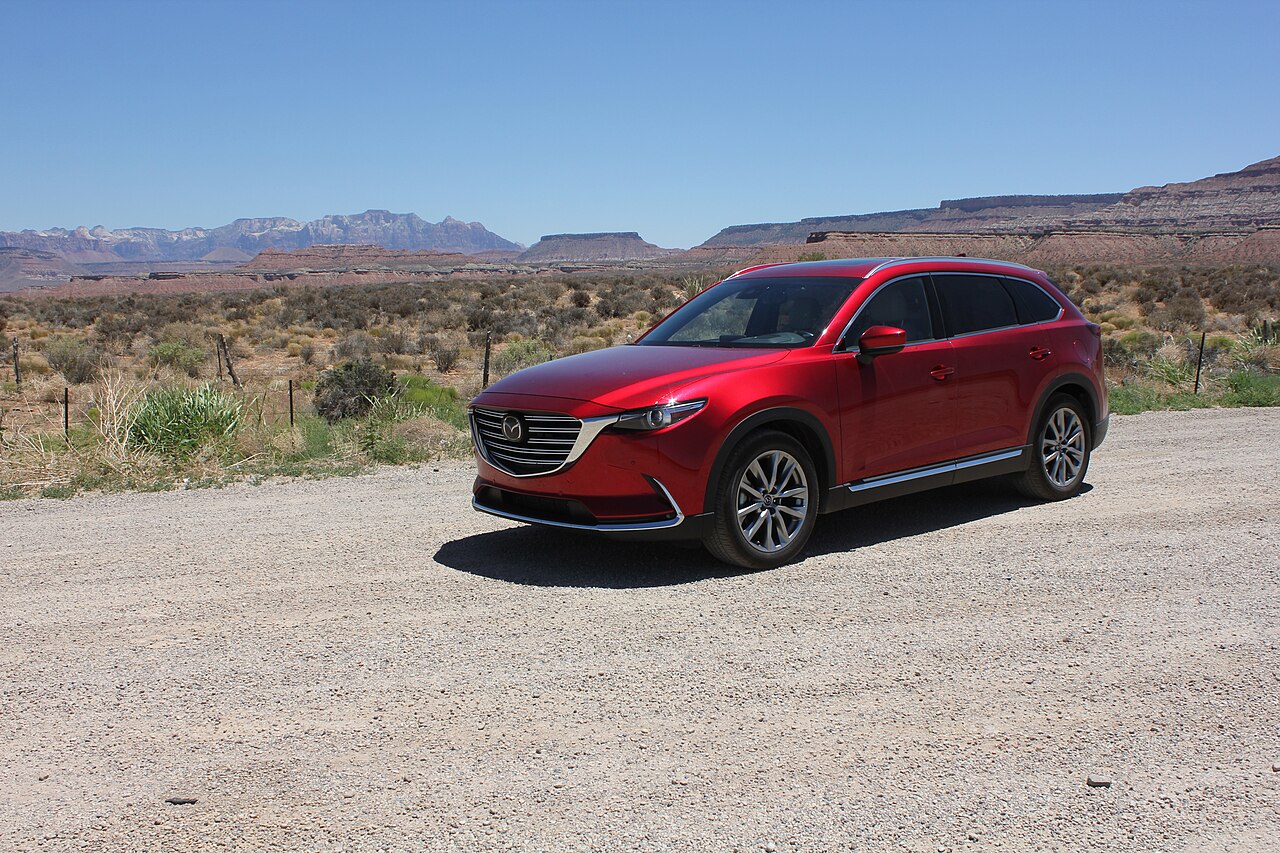
- ✓ Compare suppliers at RAP
- ✓ Free cancellation on many rates
SUV rentals at RAP
Est. from $55/day · typical rate
Pick your dates and vehicle class.
Compare rates at RAPViator
Tours & experiences near Badlands National Park
Explore guided activities around Badlands National Park. Check the meeting point, dates and availability on Viator before booking.
Open tour listings separately