 Arrival airport
 Airport drive
 Reservation demand
 Best season
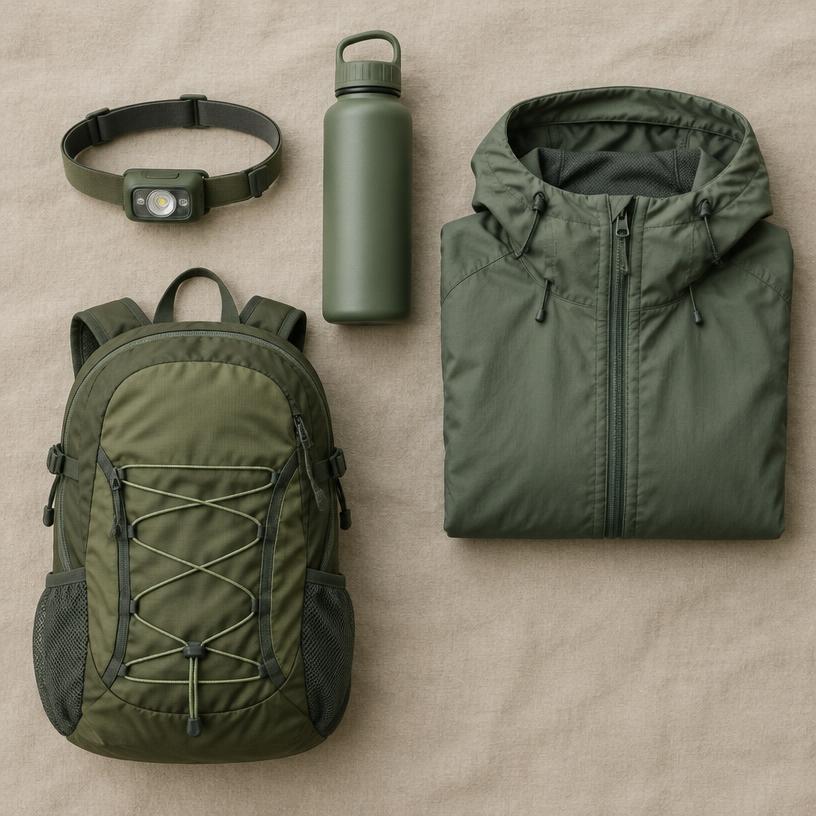
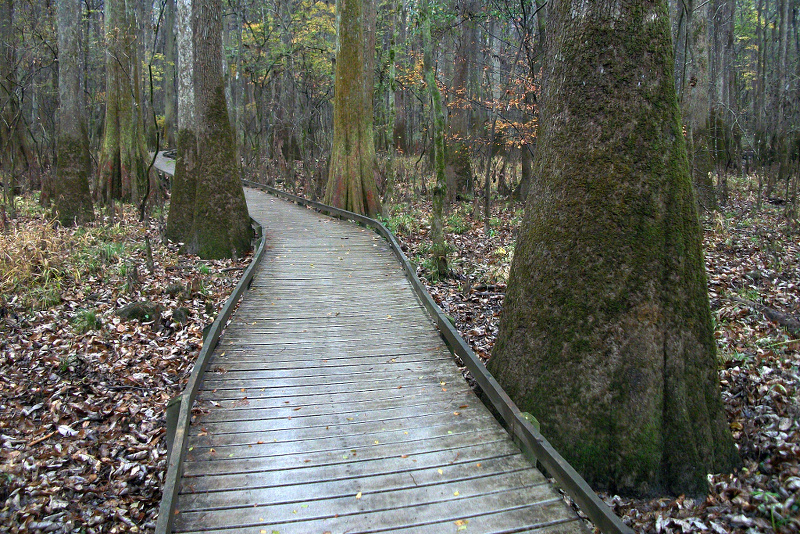
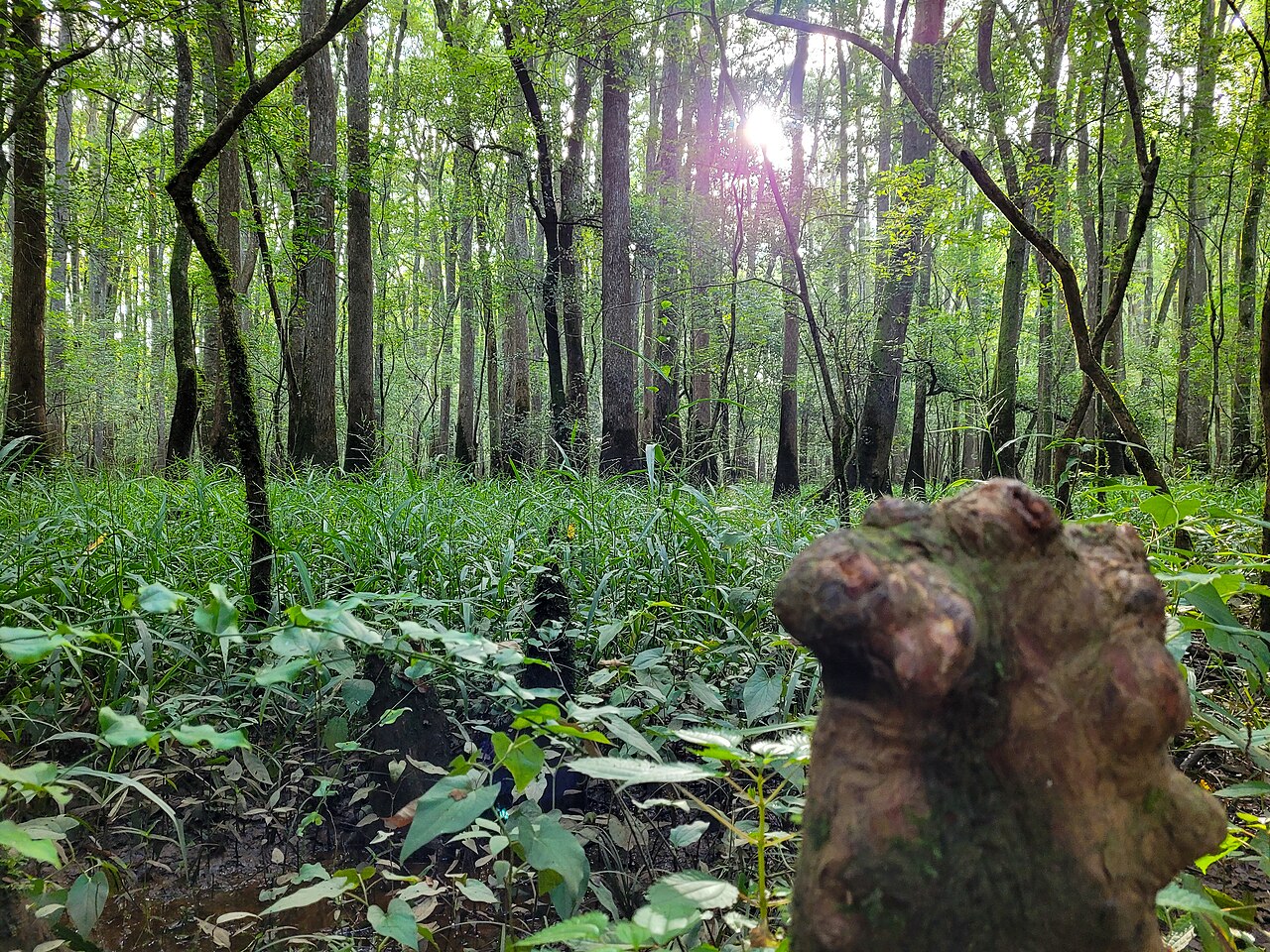
The best time to visit Congaree is usually March through May or October through November, when walking through its old-growth bottomland forest is generally more comfortable than during the humid summer. Spring brings fresh growth, while fall offers cooler outings and changing leaves, but flooding can affect trails in any season. Build your plans around current water levels and the official National Park Service updates rather than assuming a particular month guarantees dry boardwalks.
 Spring
: Fresh Leaves and Comfortable Walks
March through May is a strong choice for exploring Congaree on foot. Temperatures generally become warmer as spring progresses, and the forest fills with new leaves and bird activity. Earlier starts give you time to walk slowly, look into the canopy, and enjoy the boardwalk before the warmest part of the afternoon.
Spring is not a promise of dry trails. Congaree sits in a floodplain, and water arriving from upstream can affect access even when local skies are clear. Check the official park website before leaving your lodging. Pack light layers, rain protection, and shoes that can handle damp ground, and keep a shorter route in mind.
 Summer
: Lush Forest, Heat, and Humidity
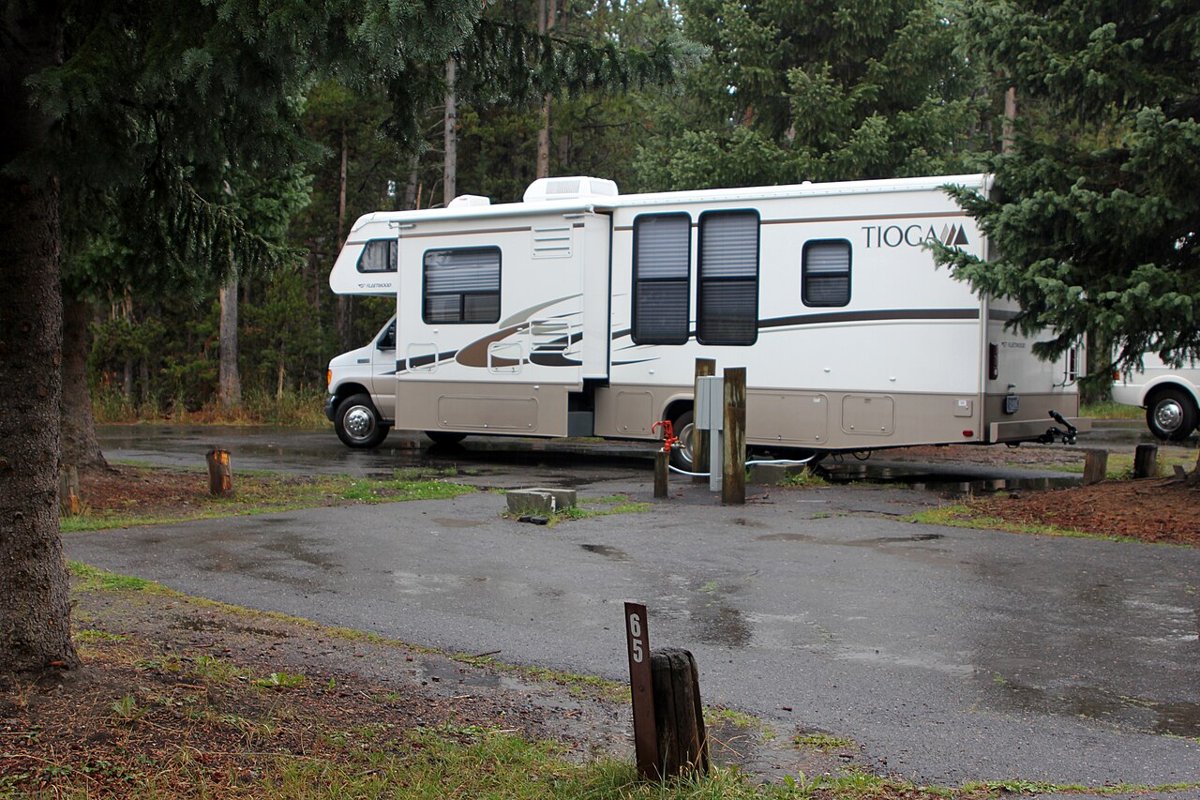
June through August brings a dense green canopy, hot and humid conditions, and plenty of insects. Plan shorter walks early in the day, carry drinking water, and leave room for breaks. Afternoon thunderstorms can interrupt outdoor plans, so avoid treating a full-day hike or paddle as a fixed commitment.
The park's synchronous firefly viewing season generally falls around late spring, sometimes extending into early summer. This is a special event rather than a dependable attraction throughout summer, and access may be controlled through a lottery or reservation system. Check the official NPS firefly page for the current year's dates and entry requirements before making travel plans around it.
 Fall
Fall: Cooler Days and a Relaxed Weekend
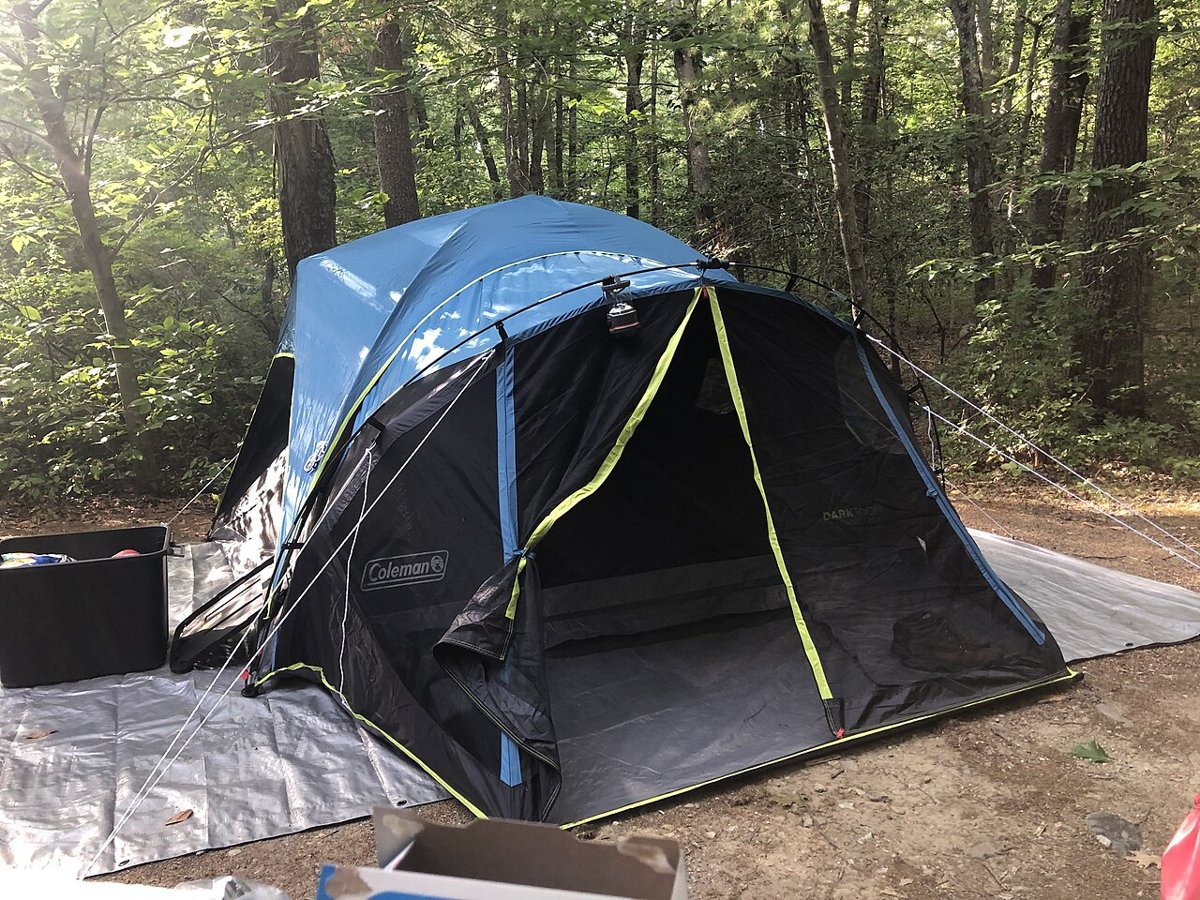
October and November are often appealing for a one- or two-day visit. Cooler weather makes longer walks more comfortable, and autumn color adds another reason to linger beneath the hardwood canopy. The timing and intensity of leaf color vary, so think of foliage as a bonus rather than the sole reason to travel.
Weekends with pleasant weather can draw more visitors to the boardwalk and visitor center area. Arrive earlier if you prefer a quieter start, then choose a longer open trail if conditions suit your group. Keep rain gear handy: fall can still bring heavy rain and flood-related closures, including effects from tropical weather systems.
WinterWinter: Open Views and Changeable Conditions
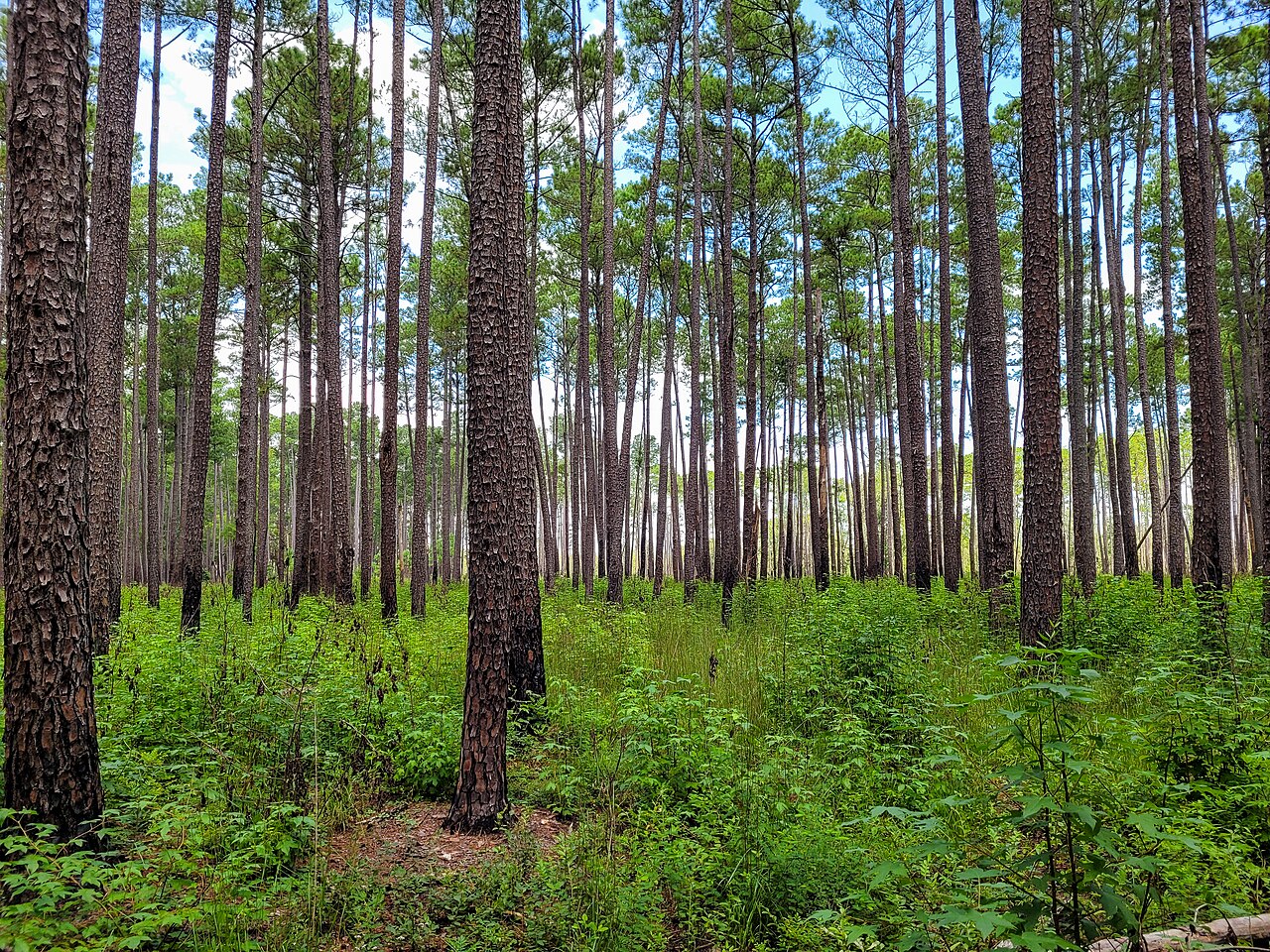
December through February offers a different view of the forest. With many hardwoods bare, trunks, branches, and the floodplain's shape become easier to see. Winter can suit visitors who prefer cooler walks and do not mind a less leafy landscape. Expect shorter daylight hours and a mix of mild afternoons and cold spells.
Bring layers rather than packing for South Carolina as though it is always warm. Damp weather can make a walk feel colder, and flooding remains possible. Choose routes based on current access, not summer photographs. A flexible half-day visit paired with time in Columbia can work well when the forecast limits longer outdoor plans.
 Step 5
Crowds and When to Make Reservations
For a quieter visit, favor ordinary weekdays outside holidays and special events. The boardwalk near the visitor center is a natural gathering point, while conditions and closures influence how widely visitors can spread through the park. Firefly viewing can create unusually strong demand and should be planned separately from a routine daytime visit.
Check the official NPS site as soon as you choose dates, then again shortly before arrival. Reserve park camping through the designated system, and confirm current requirements for backcountry stays. If you want a rental cabin, glamping stay, or guided paddle nearby, book after reviewing cancellation terms. There is no single booking window that fits every season or activity.
More ways to book Congaree National Park
Synchronous Firefly Viewing
One of the classic ways to experience Congaree.
Varies (estimate)
Quick answers about Congaree National Park
What month is best to visit Congaree National Park?
Most visitors find March – May, October – November the best window for Congaree National Park, with the most reliable weather and access.
When should you avoid visiting Congaree National Park?
Outside March – May, October – November, weather and seasonal closures can limit roads, trails and services. Check current conditions before booking.
Airport car & SUV rentals

- ✓ Compare suppliers at CAE
- ✓ Free cancellation on many rates
Standard car rentals at CAE
Est. from $45/day · typical rate
Pick your dates and vehicle class.
Compare rates at CAE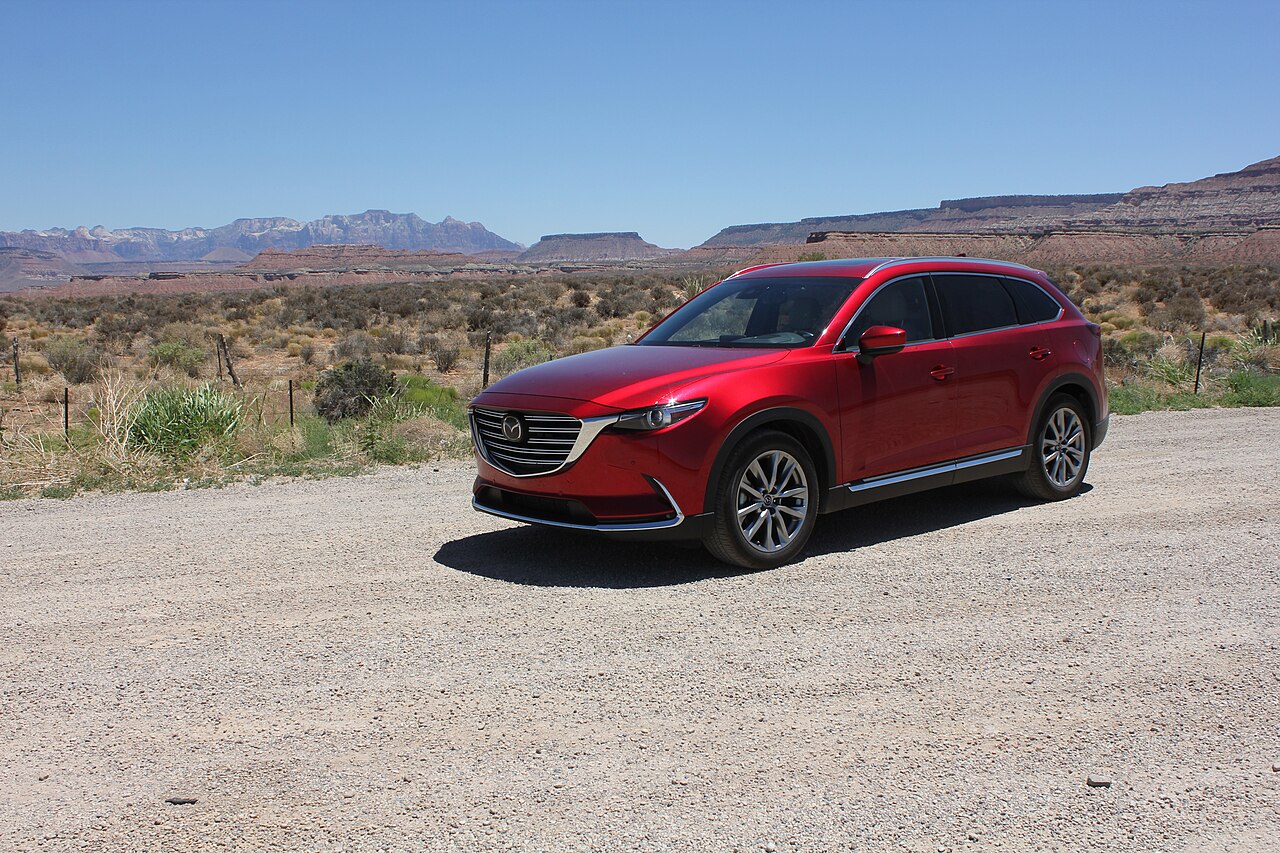
- ✓ Compare suppliers at CAE
- ✓ Free cancellation on many rates
SUV rentals at CAE
Est. from $55/day · typical rate
Pick your dates and vehicle class.
Compare rates at CAEViator
Tours & experiences near Congaree National Park
Explore guided activities around Congaree National Park. Check the meeting point, dates and availability on Viator before booking.
Open tour listings separately