 Arrival airport
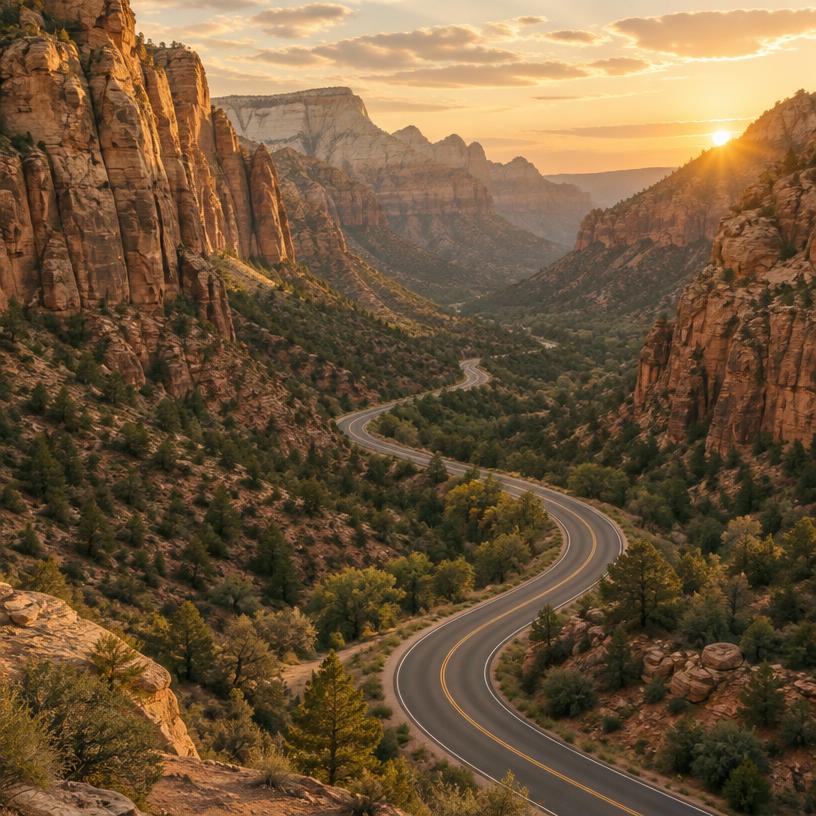 Airport drive
 Reservation demand
 Best season
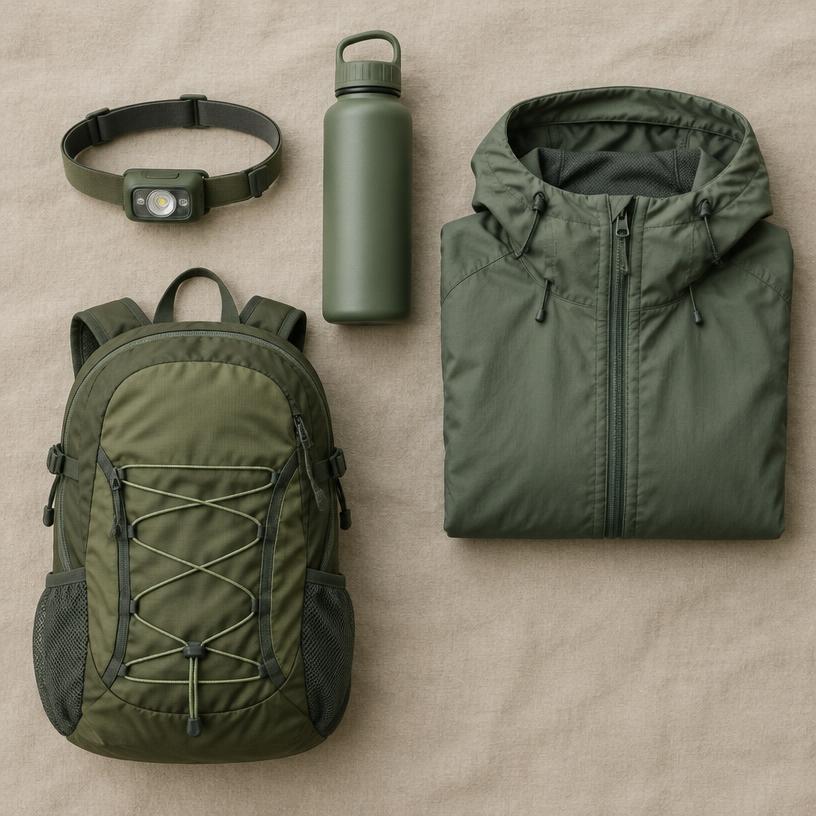
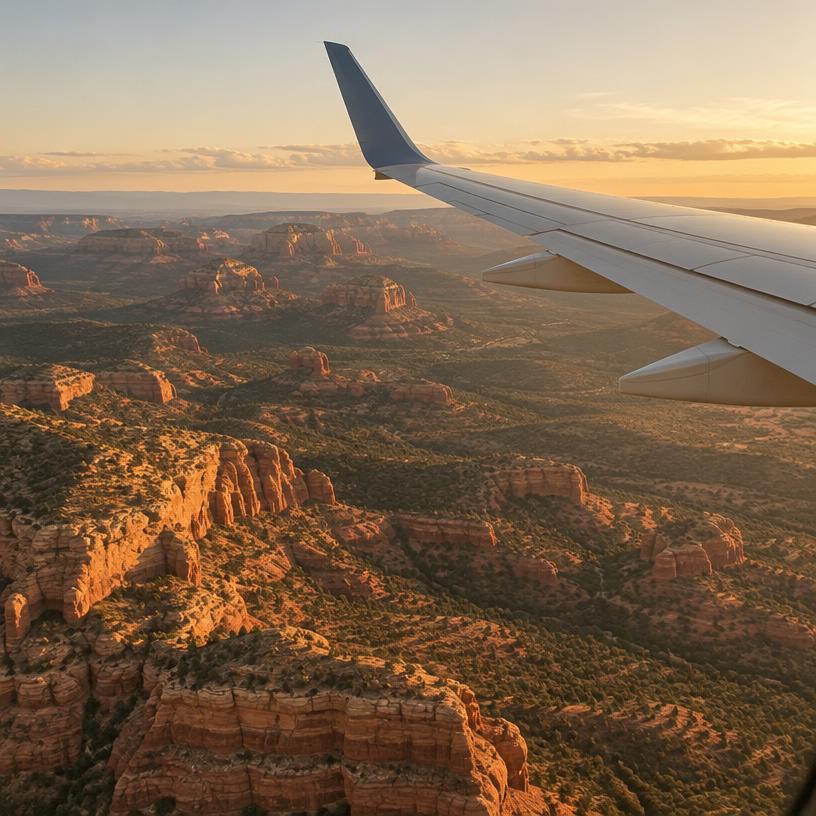
This four-day itinerary is designed to take you from the lush river valleys near Roseburg to the high alpine beauty of the Southern Oregon Cascades. You will experience the most iconic waterfalls, hike through ancient forests, and enjoy the serene waters of Diamond Lake. Starting from the Rogue Valley International-Medford Airport (MFR), this route covers approximately 93 miles and puts you right in the heart of the Umpqua's most spectacular landscapes.
Day 1: Arrival and the Gateway to the Forest
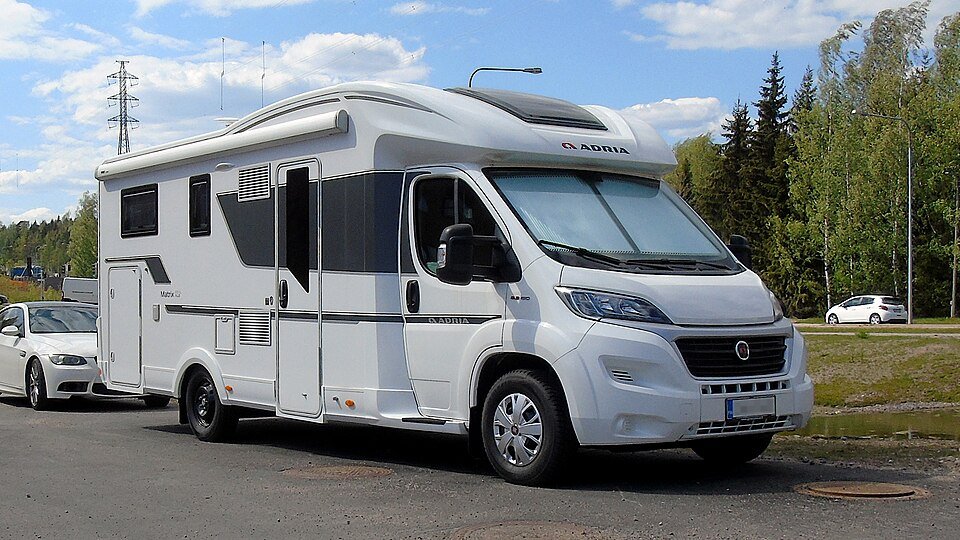
After landing at Rogue Valley International-Medford Airport, pick up your rental vehicle and head north toward the town of Glide, the traditional gateway to the Umpqua National Forest. The drive takes you through scenic valleys and rolling hills. Your first stop should be the 'Colliding Rivers' in Glide, a unique geological site where the North Umpqua and Little Rivers meet head-on. It’s a great place to stretch your legs and get your first taste of the river's power.
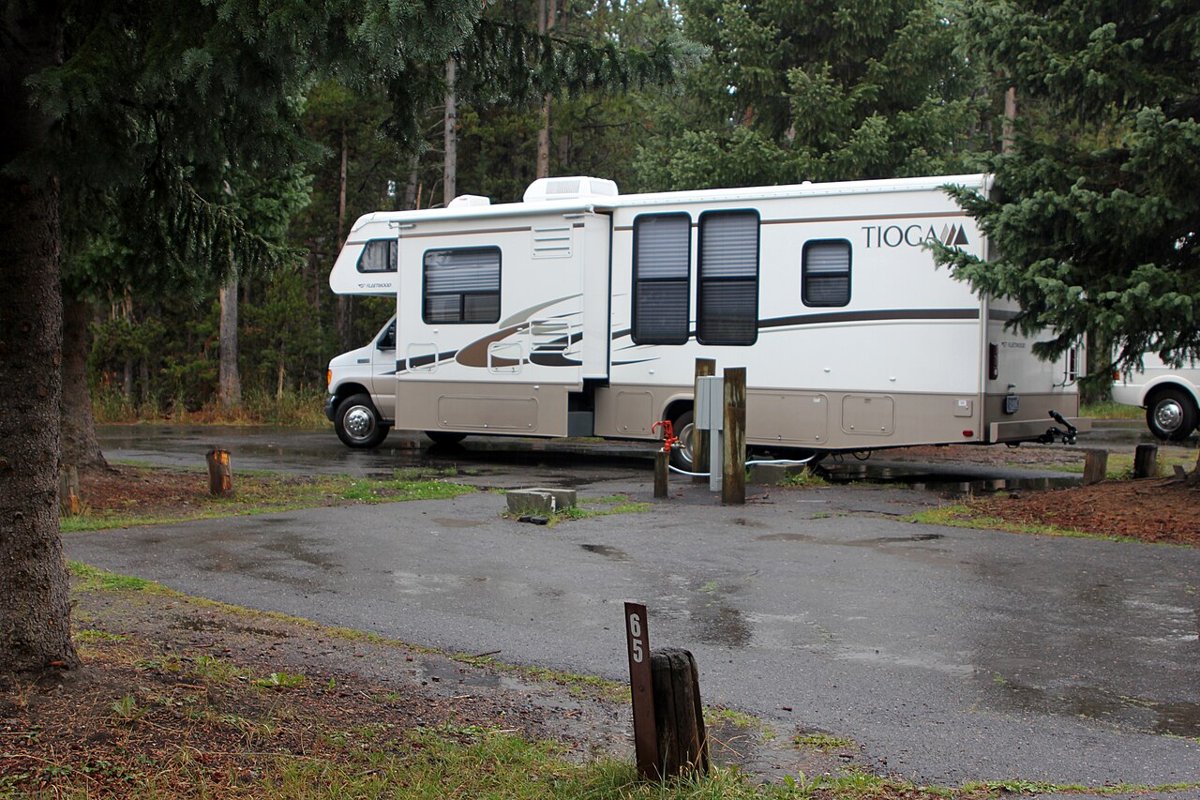
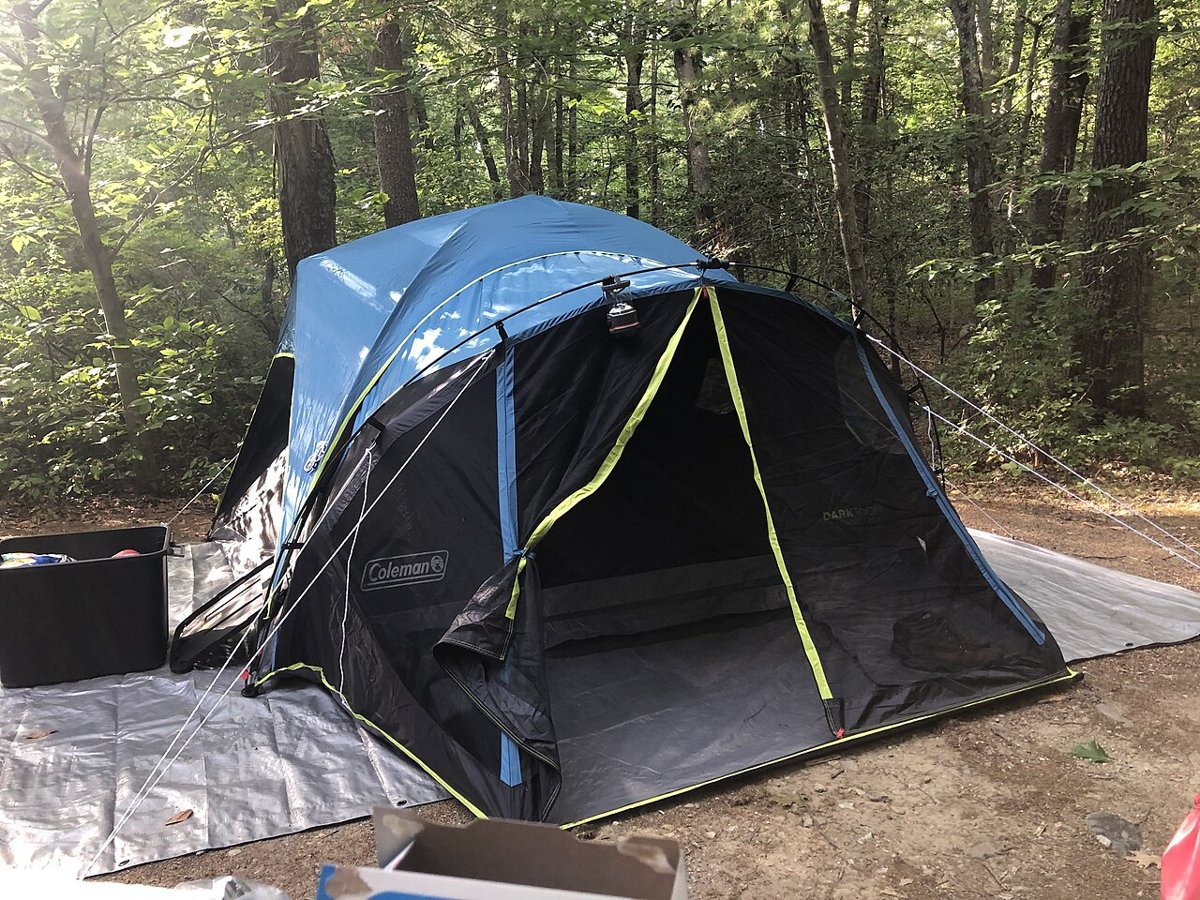
Continue east on Highway 138, also known as the Highway of Waterfalls. Check into your accommodation or set up your campsite in the lower forest area. Spend the late afternoon taking a short, easy hike to Susan Creek Falls. This 1.5-mile round-trip trail is a perfect introduction to the region's lush vegetation and well-maintained paths. End your day with a quiet dinner by the river, listening to the sounds of the water as you prepare for the bigger adventures ahead. Remember to check the official Forest Service site for any local fire restrictions before starting a campfire.
Day 2: The Iconic Waterfalls and Hidden Pools
Dedicate your second day to the stars of the Umpqua. Start early to beat the crowds at Toketee Falls. The trail is short but offers a dramatic reward: a two-tiered fall framed by hexagonal basalt columns. It is one of the most photographed spots in Oregon, and for good reason. After Toketee, drive a short distance to Watson Falls. Prepare to get a little misty as you hike up to the base of this 272-foot giant; the power of the water is palpable here.
In the afternoon, head toward Clearwater Falls. Unlike the dramatic drops you saw earlier, Clearwater is a gentle, moss-covered cascade that looks like a natural rock garden. It’s a peaceful spot for a picnic lunch. If time permits, explore the Whitehorse Falls area, another easily accessible roadside beauty. As you drive between these sites, keep an eye out for pull-outs that offer views of the North Umpqua River’s emerald pools. These spots are perfect for a quick photo or just to watch the fly-fishers testing their luck in the rapids. Return to your base for a well-deserved rest.
Day 3: High Cascades and Diamond Lake
On day three, head further east and gain elevation as you approach Diamond Lake. Situated between the peaks of Mt. Thielsen and Mt. Bailey, this high-alpine lake offers a completely different atmosphere than the river canyons. Spend your morning renting a boat or a kayak to explore the clear waters, or bring your bikes for a leisurely 11-mile ride around the paved John Dellenback Memorial Trail that circles the lake shore.
If you are feeling ambitious, the hike to the shoulder of Mt. Thielsen offers incredible views of the surrounding wilderness, though it is a steep and challenging climb. For a more relaxed afternoon, visit the South Shore area for a swim or simply to enjoy the mountain views. Diamond Lake is also a great spot for birdwatching, as ospreys and eagles are frequently seen hunting over the water. In the evening, enjoy the cooler mountain air and the brilliant starlight that comes with being far from city lights. The reflection of the peaks in the still lake water at sunset is a sight you won't soon forget.
Day 4: Deep Forest Hikes and Departure
On your final day, take the opportunity to explore the more secluded parts of the North Umpqua Trail. Choose a segment like the Hot Springs or Deer Leap section to experience the forest's interior. These trails offer a chance to see old-growth Douglas firs and western red cedars that have stood for centuries. It’s a time to reflect on the immense scale and beauty of the Oregon wilderness. After your hike, begin your slow journey back toward the gateway cities.
Stop at any viewpoints you might have missed on the drive in, or revisit your favorite waterfall for a final look. If you have extra time before your flight from Medford, stop in the town of Roseburg to grab a meal or visit a local winery in the Umpqua Valley. The drive back to the airport allows you to transition from the wild forest back to the valley, giving you plenty of time to process the incredible scenery you've experienced over the last four days. Make sure to double-check your flight times and allow for traffic as you return your rental car.
 Step 5
Pro-Tips for Your Umpqua Journey
To make the most of your Umpqua National Forest itinerary, there are a few practicalities to keep in mind. First, cell service is extremely limited once you enter the forest. Download your maps for offline use and let someone know your plans before you head out. Fuel up in Roseburg or Glide, as gas stations are sparse within the forest boundaries and prices can be higher at remote outposts.
Always carry the ten essentials, including extra water, snacks, and a first-aid kit, even on shorter hikes. The weather in the Cascades can change rapidly, so dressing in layers is the best way to stay comfortable throughout the day. Lastly, please follow 'Leave No Trace' principles by staying on marked trails and packing out all your trash. This helps preserve the pristine beauty of the Umpqua for future visitors. Check the official park or Forest Service website one last time before you depart for any last-minute alerts regarding road conditions or trail closures to ensure a safe and enjoyable trip.
Quick answers about Umpqua National Forest
How many days should a Umpqua National Forest itinerary be?
A 2–4 days itinerary covers the main sights without rushing.
Which airport should you fly into for Umpqua National Forest?
The closest airport is MFR, about 2 h 37 min away by car.
How much does a Umpqua National Forest trip cost?
Budget about $140 per person per day, excluding flights (a typical estimate; prices vary by season).
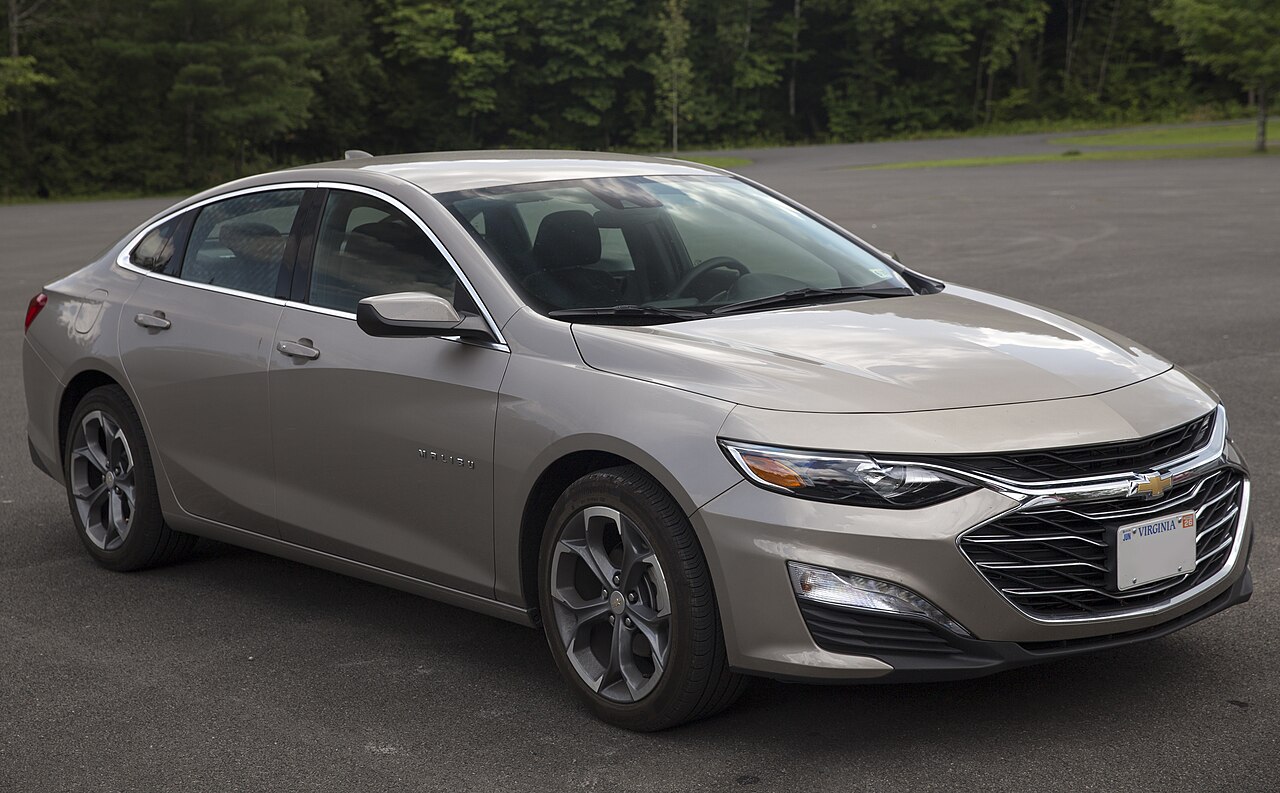
Airport car & SUV rentals
- ✓ Compare suppliers at MFR
- ✓ Free cancellation on many rates
Standard car rentals at MFR
Est. from $45/day · typical rate
Pick your dates and vehicle class.
Compare rates at MFR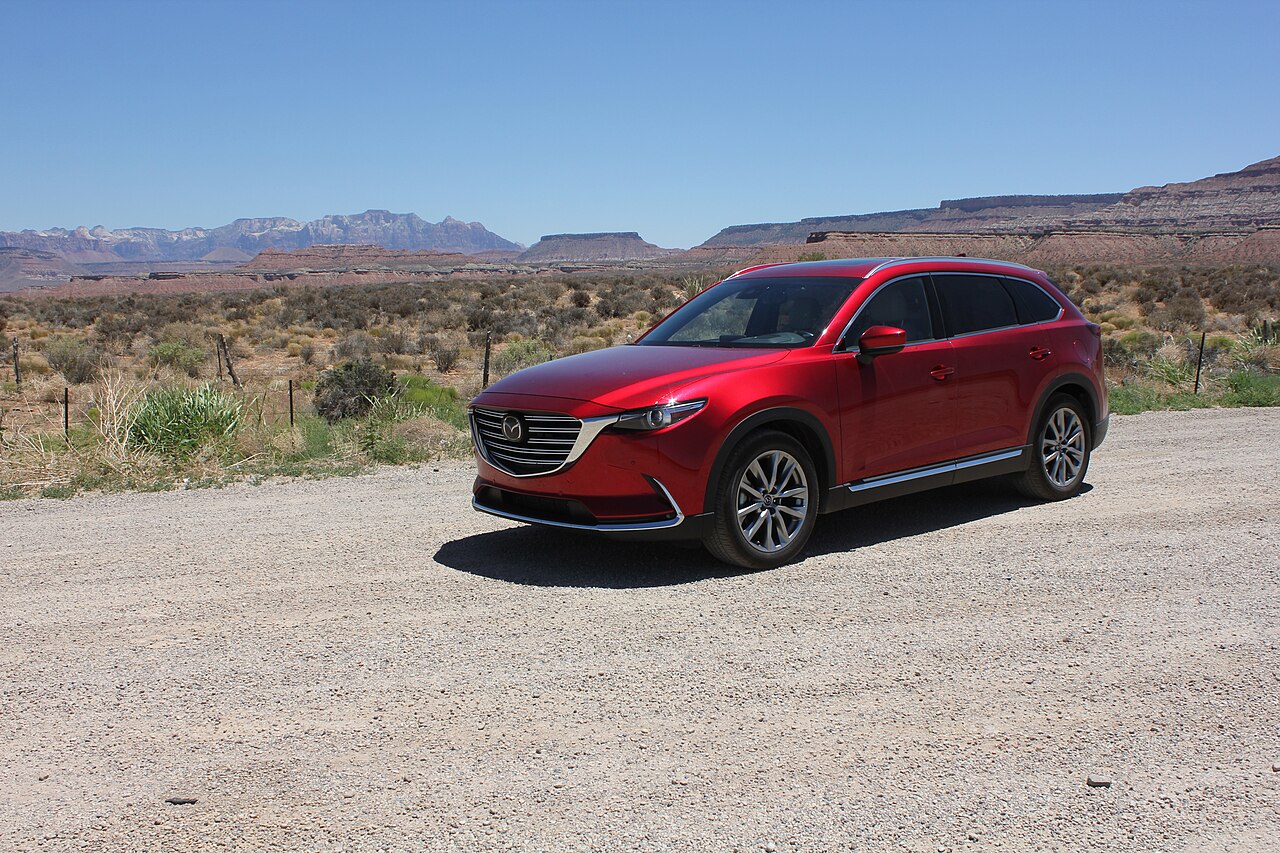
- ✓ Compare suppliers at MFR
- ✓ Free cancellation on many rates
SUV rentals at MFR
Est. from $55/day · typical rate
Pick your dates and vehicle class.
Compare rates at MFRViator
Tours & experiences near Umpqua National Forest
Explore guided activities around Umpqua National Forest. Check the meeting point, dates and availability on Viator before booking.
Open tour listings separately