 Arrival airport
 Airport drive
 Reservation demand
 Best season

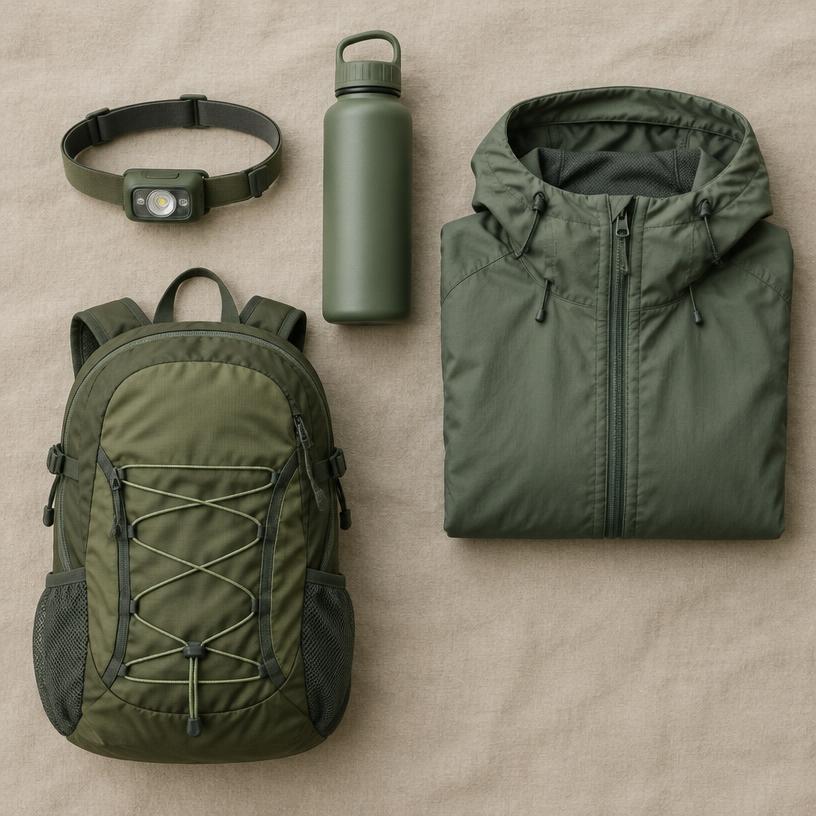
The best time to visit Cape Hatteras depends on whether you want warm ocean days, quieter campgrounds, or a flexible coastal road trip. Summer brings the most beach activity, while spring and fall offer more breathing room but less predictable weather. For a two- to four-day visit, choose your season around the experiences that matter most, then leave space for wind, rain, and changing ocean conditions.
 Spring
: Quieter Beaches and Changeable Weather
Spring suits travelers who enjoy beach walks, birdwatching, and exploring Hatteras Island without peak summer crowds. March can still feel brisk, especially when ocean winds pick up. Later spring generally brings milder afternoons, but the water may remain cold even on a sunny day. Pack layers rather than treating the trip like an early summer vacation.
Base yourself around Avon or Buxton for access to ocean beaches, the Cape Hatteras Lighthouse grounds, and soundside scenery. Pea Island National Wildlife Refuge makes a worthwhile stop on the northern approach, particularly if birds are a priority. Bring binoculars and expect exposed trails with little shelter from wind.
Spring weekends and school breaks can still draw visitors. Check campground operating seasons and reserve ahead for holiday periods. Some beach areas have seasonal wildlife protections, so confirm current access before choosing a walking route.
 Summer
: Warm Beach Days and the Busiest Calendar
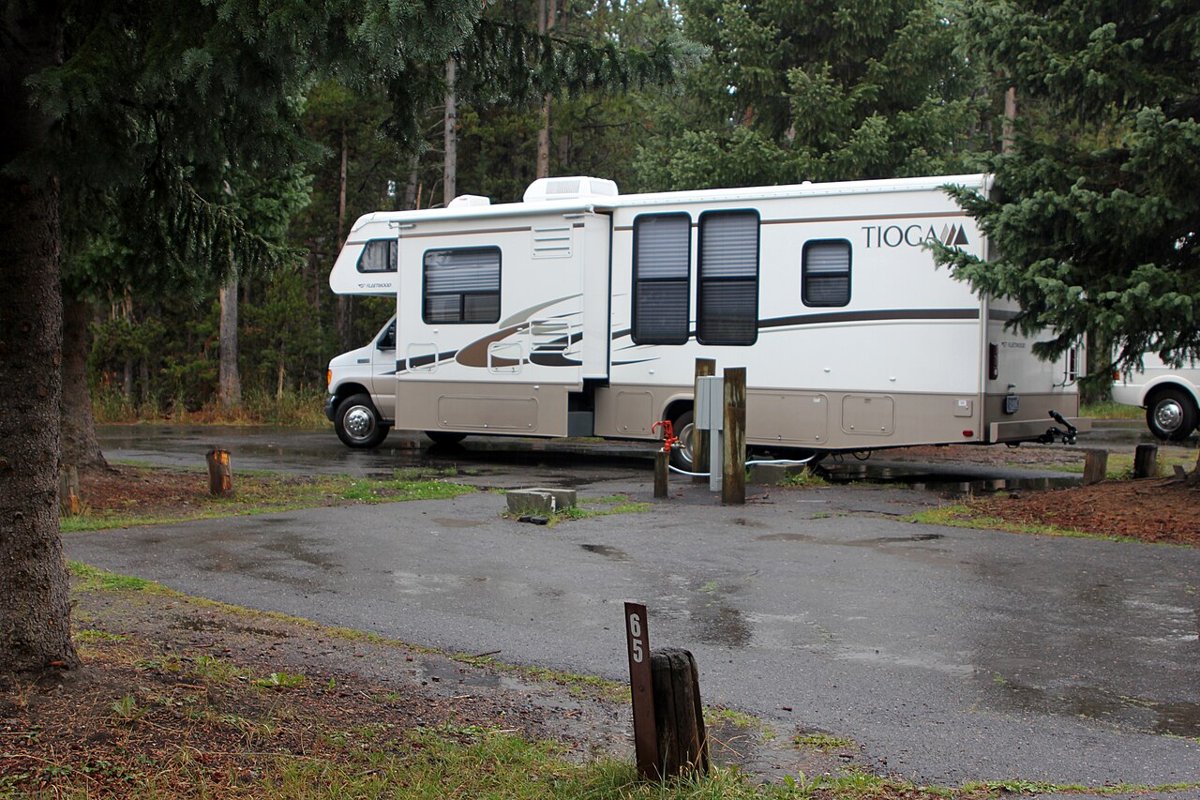
Summer is the clearest fit for a classic beach vacation: warm weather, longer days, and plenty of time for swimming, surfing lessons, and campground evenings. It is also the busiest season, especially around holidays and family vacation weeks. Popular lodging and campsites can fill well ahead, and traffic along NC Highway 12 may slow near villages and beach access points.
Plan outdoor activities early, then build in shade and an indoor break during the hottest part of the day. Sand can become uncomfortable underfoot, and exposed lighthouse grounds and parking areas offer limited relief from the sun. Carry drinking water rather than assuming every beach access has facilities.
Summer also overlaps Atlantic hurricane season. Watch forecasts before departure and during your stay, and understand cancellation policies when booking. Choose swimming locations with current information about lifeguards and conditions; neither calm-looking water nor a busy beach eliminates rip-current risk.
 Fall
Fall: Warm Early Weeks, Fewer Visitors, and Storm Flexibility
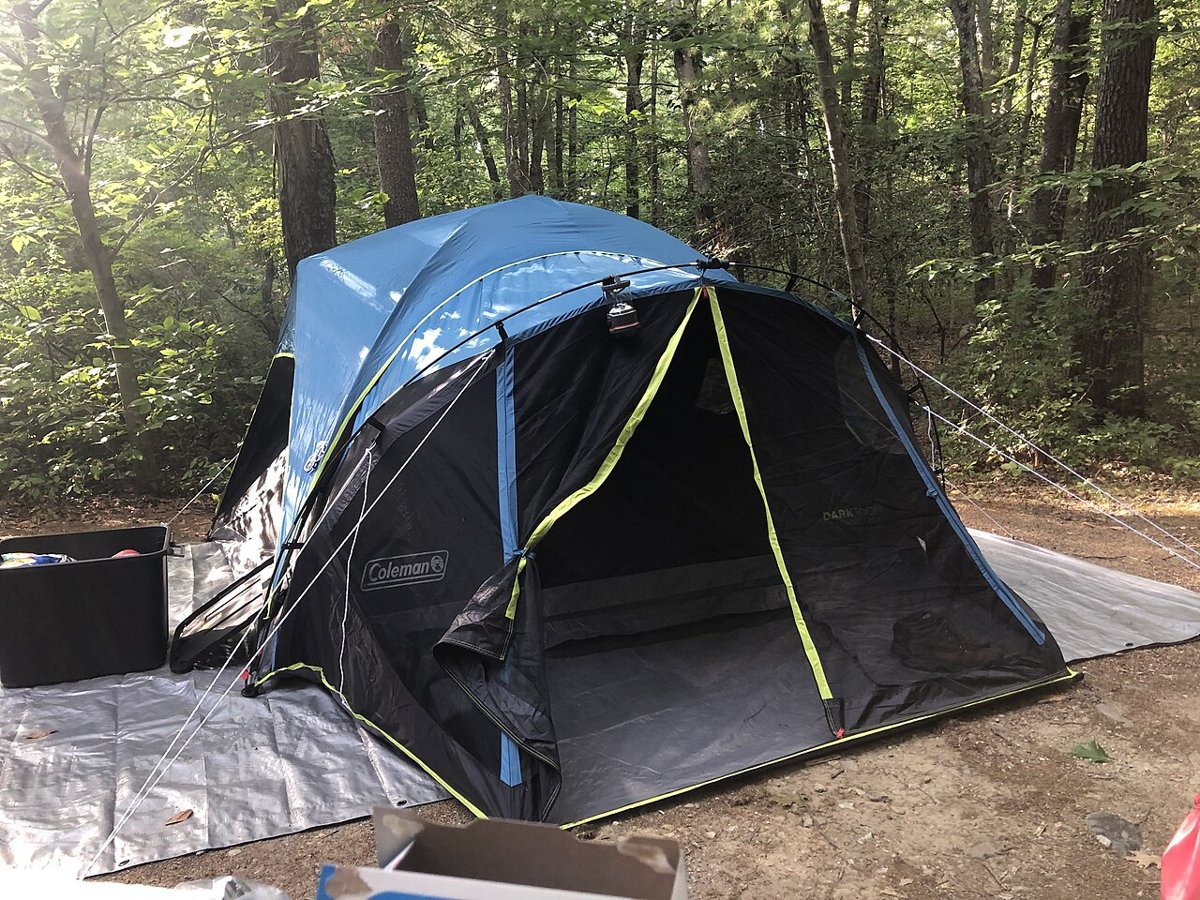
Fall often appeals to visitors who want beach time without the full summer rush. Early fall can retain warm air and ocean temperatures, while later fall becomes cooler and more variable. Surfing, fishing, photography, and long shoreline walks remain strong reasons to visit, but no particular week guarantees pleasant weather or suitable waves.
Crowds generally ease after the summer vacation period, although weekends, events, and good fishing conditions can keep certain villages busy. A base in Buxton, Frisco, or Hatteras village works well for exploring the southern part of the island. If your dates are flexible, compare midweek availability rather than assuming every fall stay costs less.
Atlantic hurricane season continues through November. Tropical systems can disrupt roads, ferries, beach access, and lodging plans even when a storm does not make a direct local landfall. Keep your itinerary adjustable and monitor official park, weather, and transportation updates.
WinterWinter: Solitude With More Limited Options
Winter is a different kind of Cape Hatteras trip, centered on open views, birdlife, and quiet village stays rather than dependable beach weather. Cold fronts and strong winds can make the shoreline feel much colder than the forecast temperature suggests. Shorter daylight also reduces the time available for a relaxed drive with multiple outdoor stops.
Pea Island and soundside viewpoints can reward patient birdwatchers, while the lighthouse grounds and broad beaches offer striking photography when conditions cooperate. Choose short outings with an easy retreat to your vehicle. Waterproof outerwear and wind-resistant layers are more useful than a beach-focused packing list.
Expect some accommodations, restaurants, and campgrounds to operate seasonally or with reduced availability. Confirm options before committing to a remote base. Winter storms can affect NC Highway 12 and ferry service, so this season works best for travelers comfortable changing plans rather than following a tightly scheduled route.
 Step 5
When to Reserve and How to Choose Your Dates
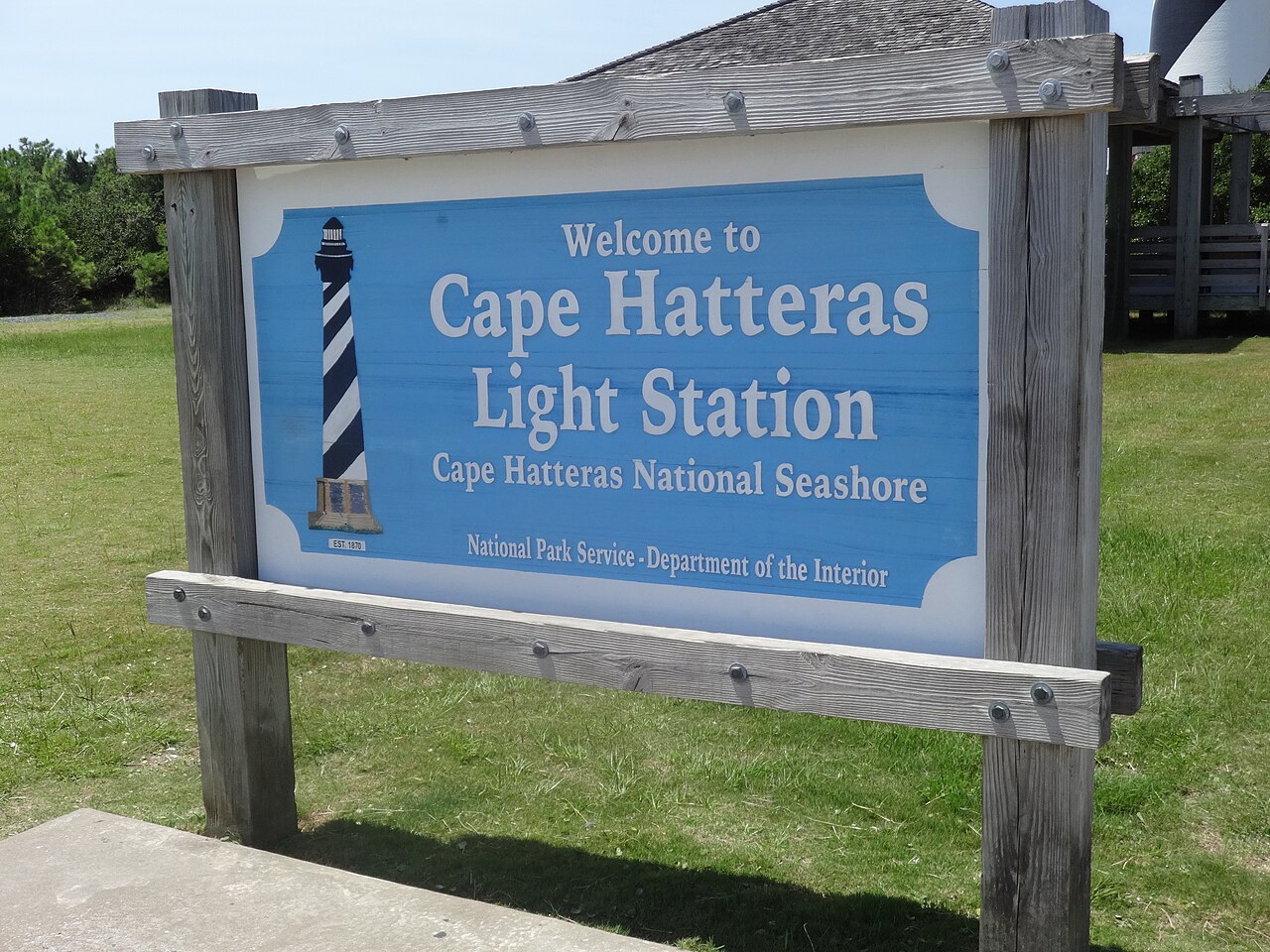
Start checking accommodations as soon as your dates are firm, particularly for summer, holiday weekends, and stays requiring specific amenities. National Park Service campgrounds and private properties use different reservation systems and booking windows. Consult the official Cape Hatteras National Seashore website for campground details, current conditions, access restrictions, and reservation links rather than relying on an older travel listing.
For a two- to four-day trip, prioritize a convenient base over trying to cover every village. Avon offers a central island location, while Buxton, Frisco, and Hatteras village suit a southern focus. Travel costs vary with season and accommodation type; treat any daily budget as a rough estimate and account for groceries, fuel, activities, and possible ferry travel.
Before leaving, review forecasts, road conditions, and ferry notices if relevant. Book flexible arrangements when practical, especially during hurricane season, and keep one weather-independent activity available for each full day.
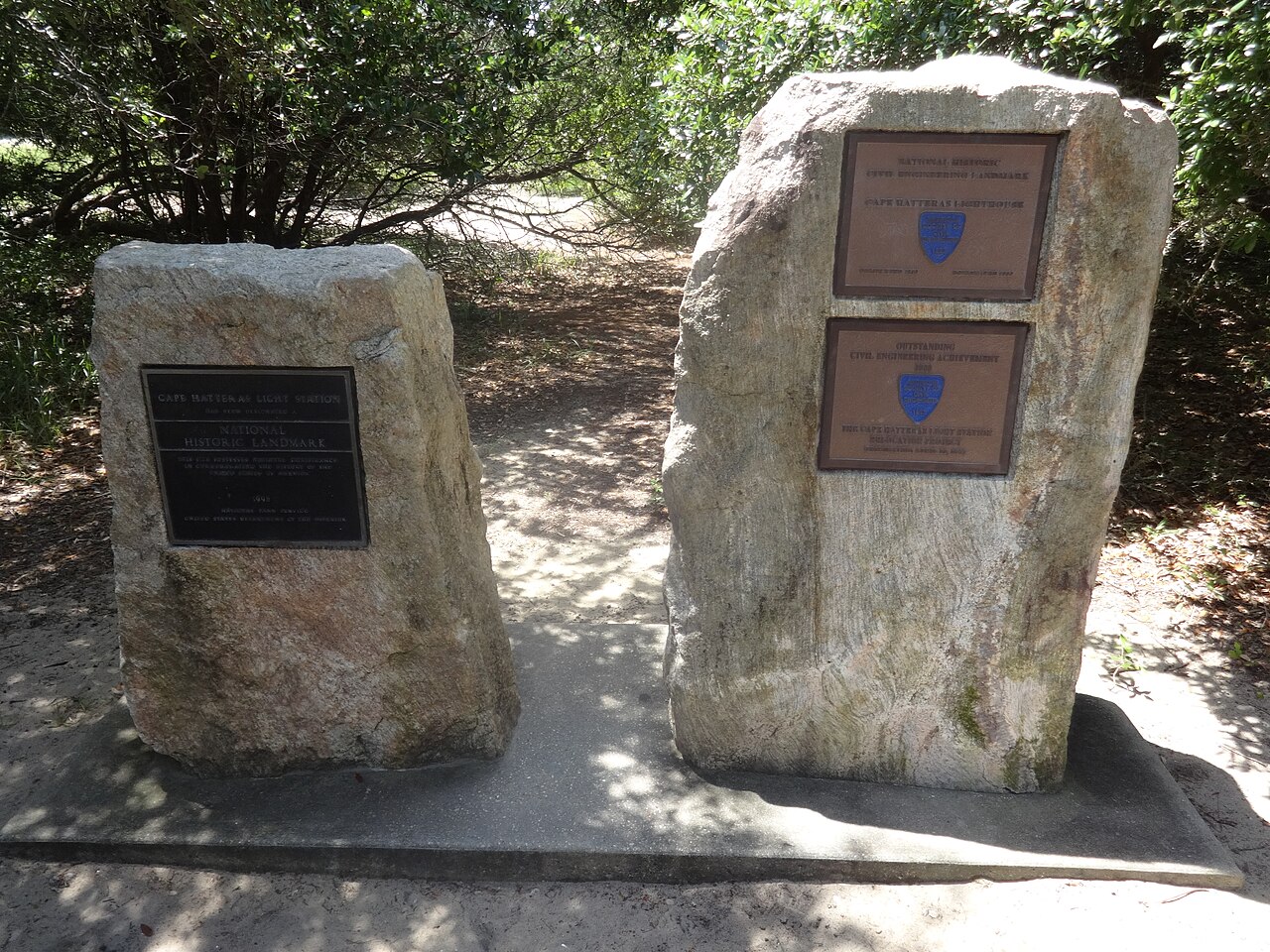
More ways to book Cape Hatteras National Seashore
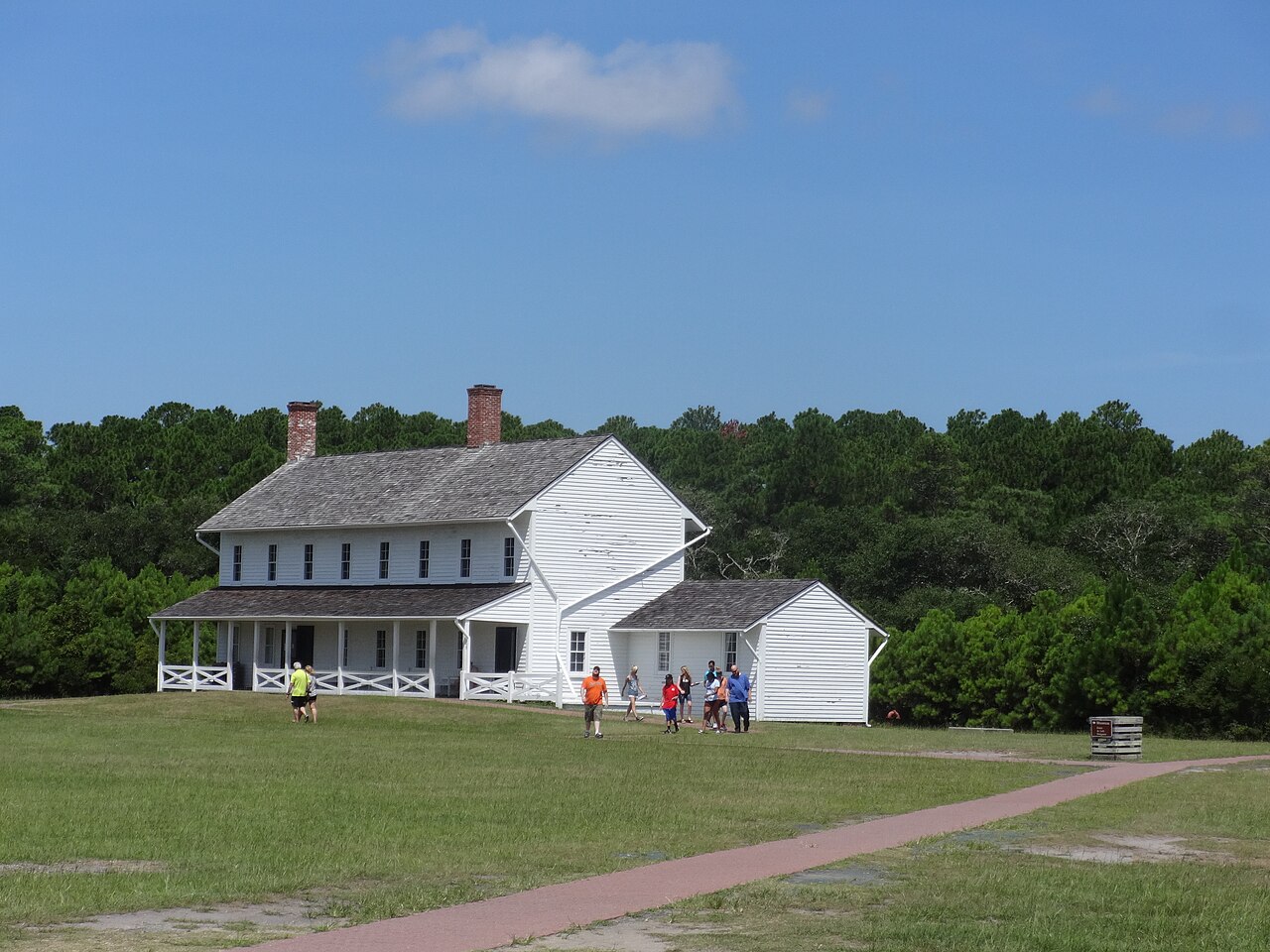
Cape Point Campground Camping
One of the classic ways to experience Cape Hatteras.
Varies (estimate)
Quick answers about Cape Hatteras National Seashore
What month is best to visit Cape Hatteras National Seashore?
Most visitors find May – June, September – October the best window for Cape Hatteras National Seashore, with the most reliable weather and access.
When should you avoid visiting Cape Hatteras National Seashore?
Outside May – June, September – October, weather and seasonal closures can limit roads, trails and services. Check current conditions before booking.
Do you need to book Cape Hatteras National Seashore in advance?
Not always, but booking ahead is recommended for Cape Hatteras National Seashore, especially in peak season.
Airport car & SUV rentals

- ✓ Compare suppliers at ORF
- ✓ Free cancellation on many rates
Standard car rentals at ORF
Est. from $45/day · typical rate
Pick your dates and vehicle class.
Compare rates at ORF
- ✓ Compare suppliers at ORF
- ✓ Free cancellation on many rates
SUV rentals at ORF
Est. from $55/day · typical rate
Pick your dates and vehicle class.
Compare rates at ORFViator
Tours & experiences near Cape Hatteras National Seashore
Explore guided activities around Cape Hatteras National Seashore. Check the meeting point, dates and availability on Viator before booking.
Open tour listings separately