 Arrival airport
 Airport drive
 Reservation demand
 Best season
The Big Island rewards travelers who choose a few contrasting landscapes instead of trying to circle the island every day. Pair time in Hawaiʻi Volcanoes National Park with a coastal base, then add waterfalls, cultural sites, or a boat outing according to your interests. Five to seven days gives you room for variety, but distances are substantial, so group nearby stops and leave space for weather-related changes along the way.
 Step 1
Explore Hawaiʻi Volcanoes National Park
Start with the park’s currently open overlooks and trails rather than an expectation of seeing flowing lava. Kīlauea is an active volcano, but visible activity varies, and access can change. The Kīlauea Iki Trail is a memorable option when open for travelers prepared for a longer walk with elevation changes and exposed terrain. Shorter overlooks can make a satisfying visit too.
Chain of Craters Road adds a dramatic drive through volcanic landscapes toward the coast. Carry water, snacks, sun protection, and a rain layer; do not rely on finding supplies along the way. Check the official NPS site for current conditions, volcanic gas advisories, closures, and any required reservations before setting your route.
 Fall
Choose a Waterfall Walk or Scenic Drive
The Hilo side offers an easy contrast to the island’s dry lava landscapes. Wailuku River State Park includes the well-known Rainbow Falls viewpoint, while ʻAkaka Falls State Park has a paved walking route with stairs through lush vegetation. Neither stop needs to become an all-day outing, making them useful anchors for a relaxed windward day.
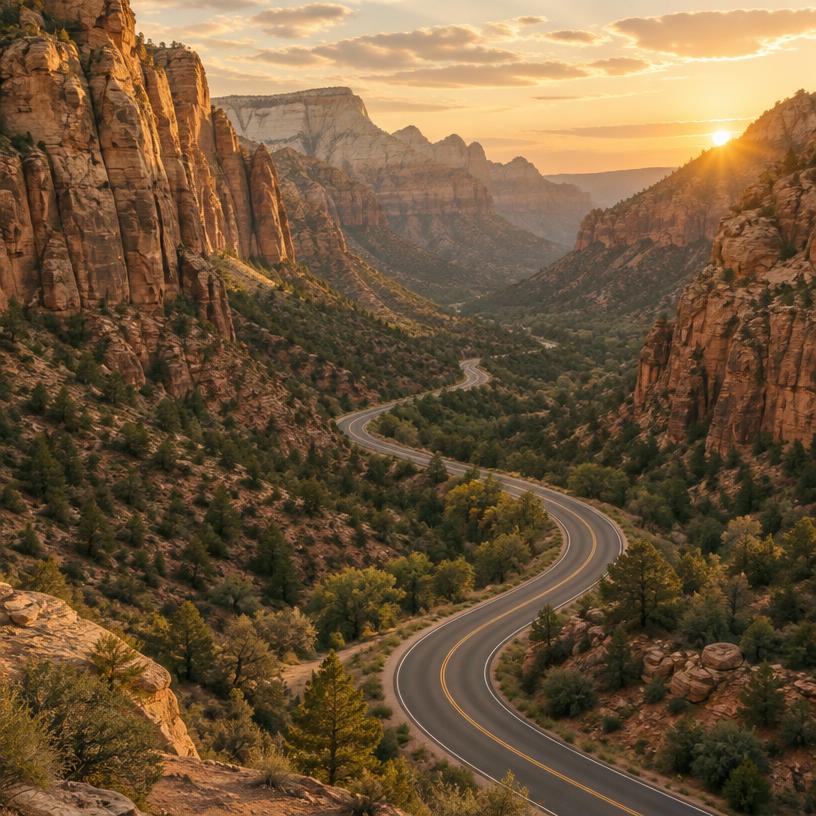
For a longer drive, follow the Hāmākua Coast toward Waimea, allowing time for changing scenery rather than collecting every possible stop. Stay on public roads and designated paths, and respect private property around roadside viewpoints. Rain can make paths slippery and affect access, so check official park information and current road conditions before leaving.
 Step 3
Spend Time on the Coast Without Rushing Wildlife
Punaluʻu is a well-known black sand beach where you may see Hawaiian green sea turtles resting on shore. Treat wildlife sightings as a bonus, keep the required distance, and never touch, feed, or block an animal’s route. Check posted guidance and official wildlife recommendations rather than using other visitors’ behavior as your cue.
On the Kona side, snorkeling and boat trips can introduce the island’s underwater landscapes when conditions allow. Choose outings suited to your swimming ability, and check surf, wind, and local advisories before entering the ocean. Nighttime manta ray excursions are another established option, but encounters are not guaranteed. Ask operators about wildlife practices, participant requirements, and weather cancellation policies.
 Step 4
Keep Family Days Short and Varied
With kids, combine one main outing with an easy afternoon instead of planning three distant highlights. In the national park, shorter walks and overlooks can be more manageable than a long crater hike. Ask about the Junior Ranger program, and confirm current availability through the park. Near Hilo, a waterfall viewpoint followed by time in a public garden creates a lighter day.
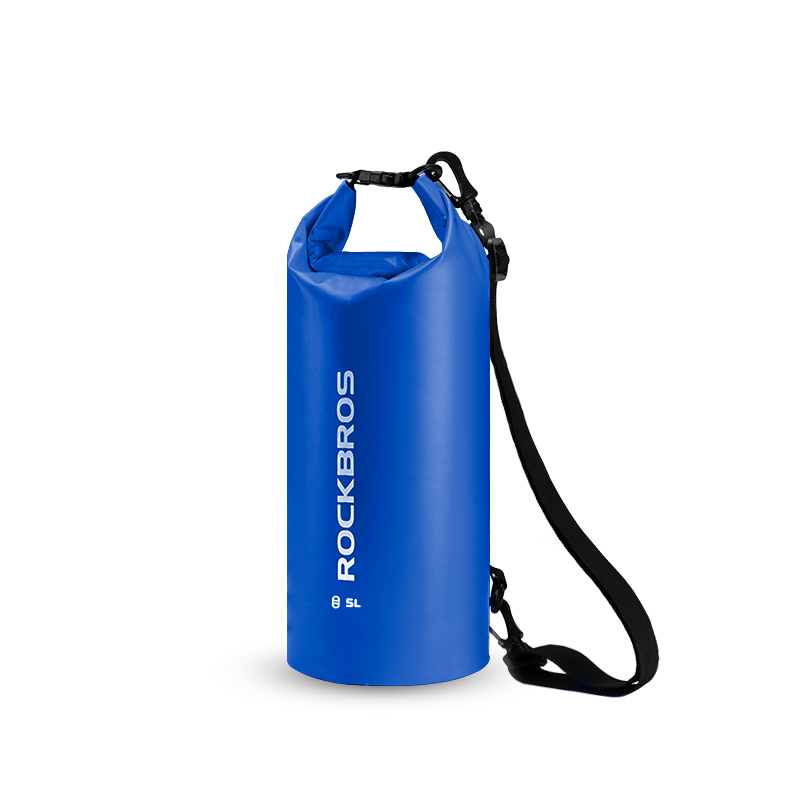
For beach outings, look for facilities that matter to your family, such as restrooms, shade, and lifeguards where available. Those features do not remove ocean hazards, so follow posted warnings and reassess conditions on arrival. Carry snacks, water, spare clothing, and a dry bag, and build in breaks before the return drive.
Step 5Make Rainy Days Useful, Not Overloaded
Hilo’s museums and cultural attractions offer alternatives when a wet forecast makes a long hike less appealing. Look for exhibits about Hawaiian history, astronomy, or the island’s natural environment, then check the venue’s own website for current visitor details. A farm or coffee tour may also work, but ask how much of the visit takes place outdoors.
Light showers and heavy rain call for different decisions. Do not treat a waterfall visit as an automatic rainy-day fallback: swollen streams, slippery paths, and road disruptions can change access. Keep a short indoor option near your lodging, and avoid a cross-island drive simply to chase a patch of blue sky. Recheck official road and park updates.
Quick answers about Big Island
What are the top things to do in Big Island?
Highlights include Explore Hawaiʻi Volcanoes National Park, Choose a Waterfall Walk or Scenic Drive, Spend Time on the Coast Without Rushing Wildlife, Keep Family Days Short and Varied.
How much time do you need to see Big Island?
Plan 5–7 days to cover the main sights at a comfortable pace.
When is the best time for activities in Big Island?
April – June, September – November usually offers the widest choice of open activities and tours.
Airport car & SUV rentals

- ✓ Compare suppliers at ITO
- ✓ Free cancellation on many rates
Standard car rentals at ITO
Est. from $45/day · typical rate
Pick your dates and vehicle class.
Compare rates at ITO
- ✓ Compare suppliers at ITO
- ✓ Free cancellation on many rates
SUV rentals at ITO
Est. from $55/day · typical rate
Pick your dates and vehicle class.
Compare rates at ITOViator
Tours & experiences near Big Island
Explore guided activities around Big Island. Check the meeting point, dates and availability on Viator before booking.
Open tour listings separately