 Arrival airport
 Airport drive
 Reservation demand
 Best season
Rocky Mountain National Park makes it easy to combine a short lakeside walk with a big mountain panorama, but its scale rewards a little restraint. Base yourself in Estes Park for eastern access, choose one main outing each day, and leave space for weather and wildlife stops. The most satisfying visit is not necessarily the one with the longest hike; it is the one that fits your group's energy and current conditions.
 Step 1
Walk the Bear Lake Area and Choose a Lake Hike
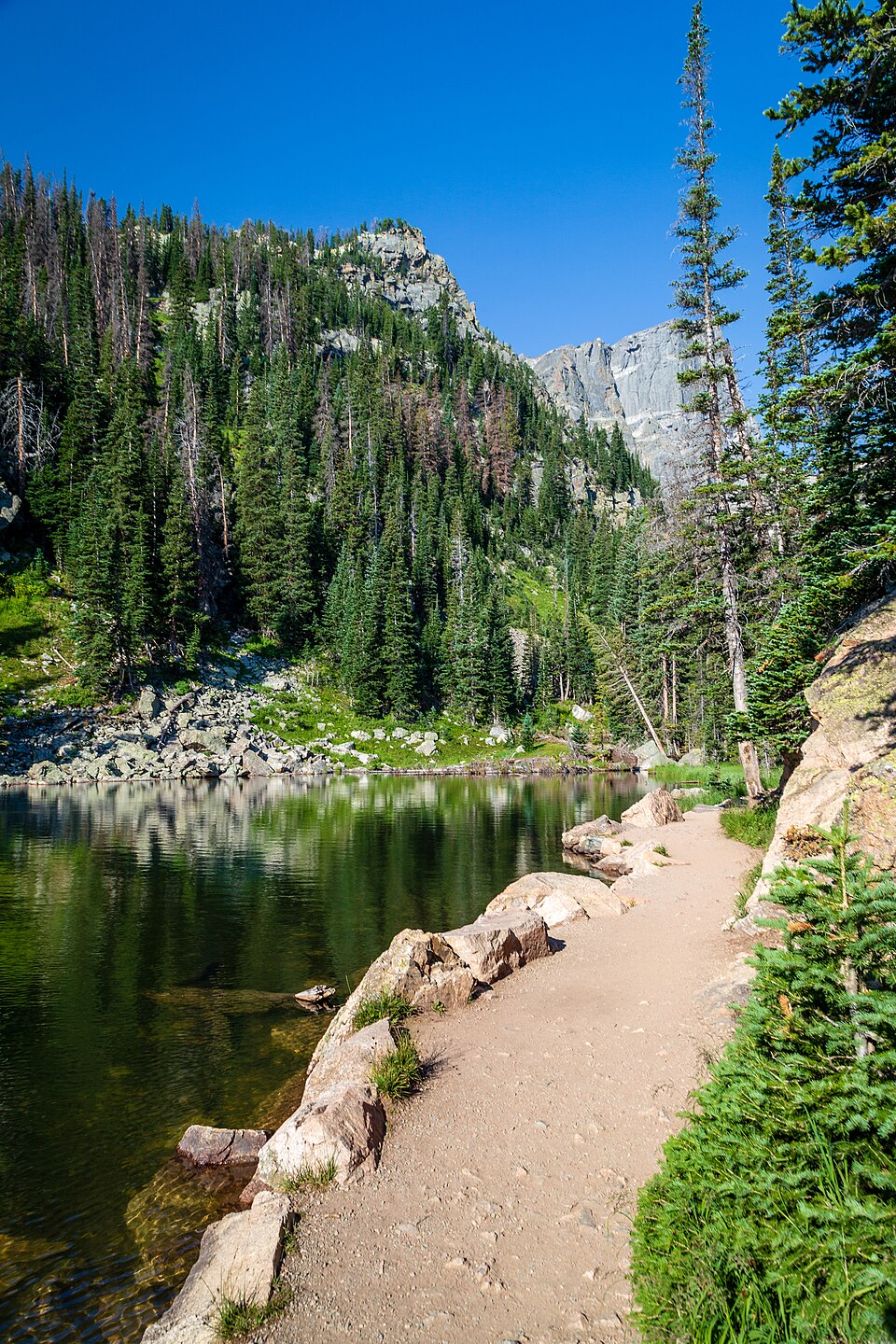
Bear Lake is a natural starting point for classic eastern-park scenery. Its short shoreline loop offers forest and mountain views, while routes toward Nymph Lake, Dream Lake, and Emerald Lake create progressively longer outings. These are popular trails rather than quiet discoveries, and snow or ice can linger well beyond winter.
Choose your turnaround point before starting, and adjust it if anyone is struggling with the elevation. A short distance here can feel harder than a comparable walk at home. Check the official NPS site for trail conditions, Bear Lake Road access requirements, and seasonal shuttle information. Bring water, snacks, layers, and sun protection even when your planned walk looks modest on the map.
 Step 2
Drive Trail Ridge Road for Alpine Views
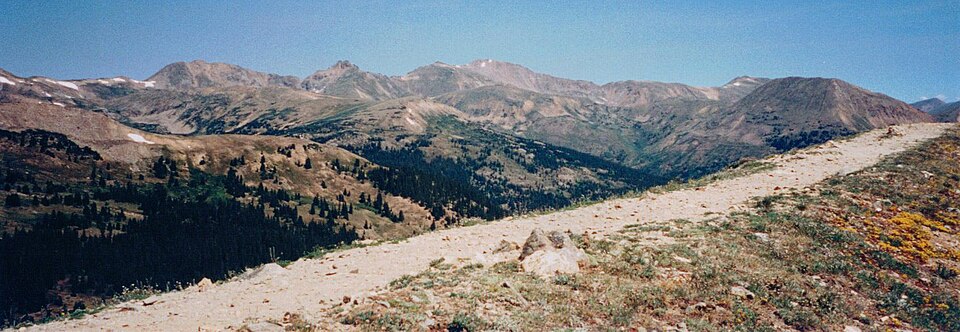
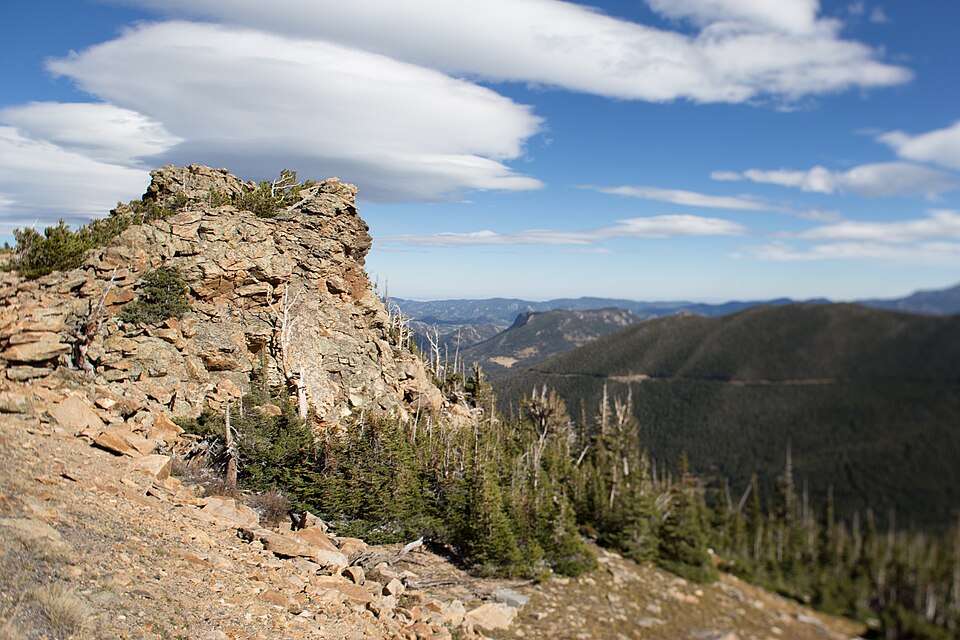
When open, Trail Ridge Road is one of the park's defining experiences. It climbs above treeline to elevations over 12,000 feet and links the Estes Park side with the Grand Lake side. The changing scenery—from forest to open tundra—is the main event, so allow time for designated overlooks rather than treating the drive as a quick transfer.
The road is seasonal and can close temporarily because of weather. Check its status before setting out and again before relying on it for your return. Bring a warm layer even on a pleasant summer day. Stay on designated paths near tundra viewpoints, use established pullouts, and skip exposed walks when thunderstorms threaten.
 Step 3
Watch Wildlife and Spend Time Beside the Water
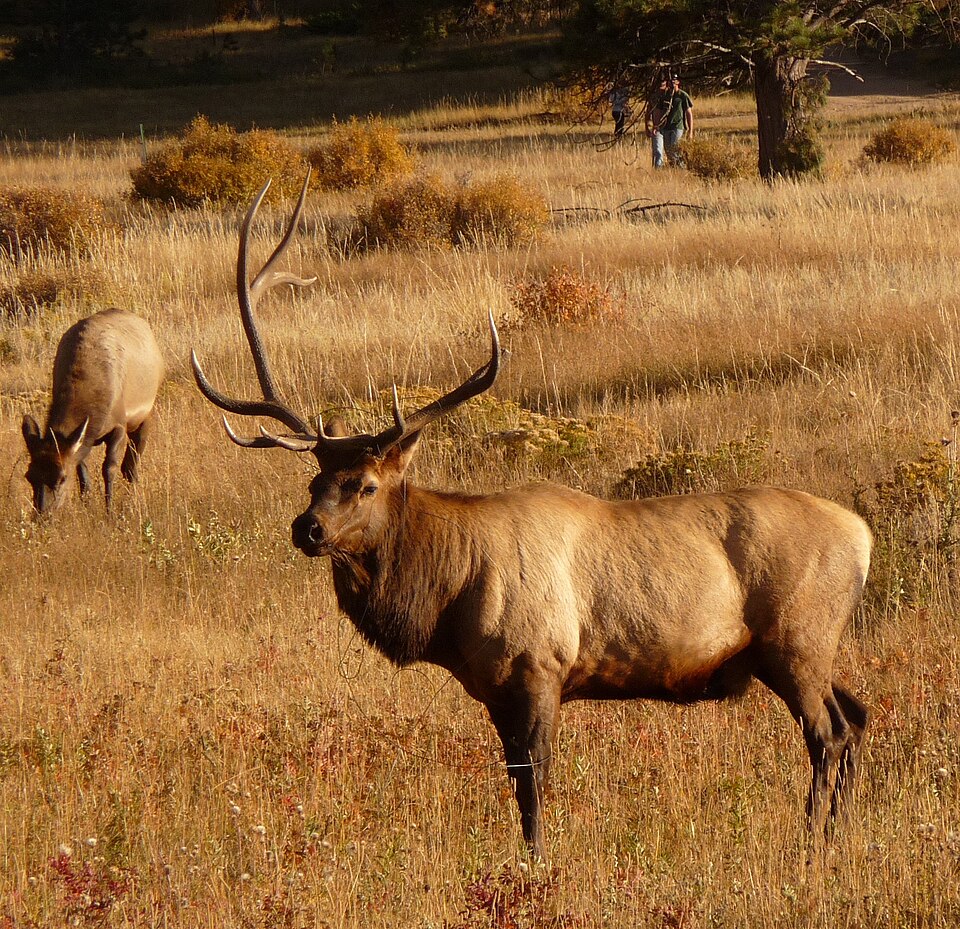
Moraine Park and Horseshoe Park are well-known places to look across open meadows for elk and other wildlife. Sightings are never guaranteed, but an unhurried stop can be rewarding. Binoculars let you enjoy animals without crowding them, and a long lens is a better choice than walking closer for a photograph.
Keep the distances required by park rules, never feed wildlife, and avoid blocking roads when animals appear. For a quieter change of pace, choose a designated lakeside or streamside spot for a picnic and listen rather than rush onward. Mountain water is cold, and banks can be slippery. Fishing requires checking current Colorado licensing requirements and park-specific regulations before bringing a rod.
 Step 4
Make It a Family Day, Not a Mileage Contest
With kids, build the day around one short outing and several small discoveries. Bear Lake can work well for a flexible walk, while Sprague Lake offers another relatively short lakeside option with mountain views. Check current surface conditions and accessibility details if you are bringing a stroller or need a route suitable for mobility equipment.
Ask at a visitor center about the Junior Ranger program and available ranger activities. Let children look for animal tracks, sketch a mountain, or compare forest and meadow habitats without collecting natural objects. Carry more snacks and layers than you expect to need. A picnic and an early finish often make a better family memory than pushing toward one more lake.
Step 5Keep a Rainy-Day and Thunderstorm Backup
A wet forecast does not have to erase the day, but thunderstorms should change plans for exposed terrain. If thunder develops, leave open overlooks and ridgelines and seek appropriate shelter, such as a substantial building or hard-topped vehicle. A lakeside walk is not an automatic substitute during lightning, even if it is short.
Use unsettled periods for visitor-center exhibits, trip planning, or an indoor break in Estes Park. Local museums, galleries, and shops can fill a slower afternoon; check their current schedules before going. If conditions improve, a brief lower-elevation outing may still fit. Check the official park website for alerts, closures, road conditions, and reservation rules before deciding where to return.
Quick answers about Rocky Mountain National Park
What are the top things to do in Rocky Mountain National Park?
Highlights include Walk the Bear Lake Area and Choose a Lake Hike, Drive Trail Ridge Road for Alpine Views, Watch Wildlife and Spend Time Beside the Water, Make It a Family Day, Not a Mileage Contest.
How much time do you need to see Rocky Mountain National Park?
Plan 4–5 days to cover the main sights at a comfortable pace.
When is the best time for activities in Rocky Mountain National Park?
June – September usually offers the widest choice of open activities and tours.
Airport car & SUV rentals

- ✓ Compare suppliers at DEN
- ✓ Free cancellation on many rates
Standard car rentals at DEN
Est. from $45/day · typical rate
Pick your dates and vehicle class.
Compare rates at DEN
- ✓ Compare suppliers at DEN
- ✓ Free cancellation on many rates
SUV rentals at DEN
Est. from $55/day · typical rate
Pick your dates and vehicle class.
Compare rates at DENViator
Tours & experiences near Rocky Mountain National Park
Explore guided activities around Rocky Mountain National Park. Check the meeting point, dates and availability on Viator before booking.
Open tour listings separately