 Arrival airport
 Airport drive
 Reservation demand
 Best season
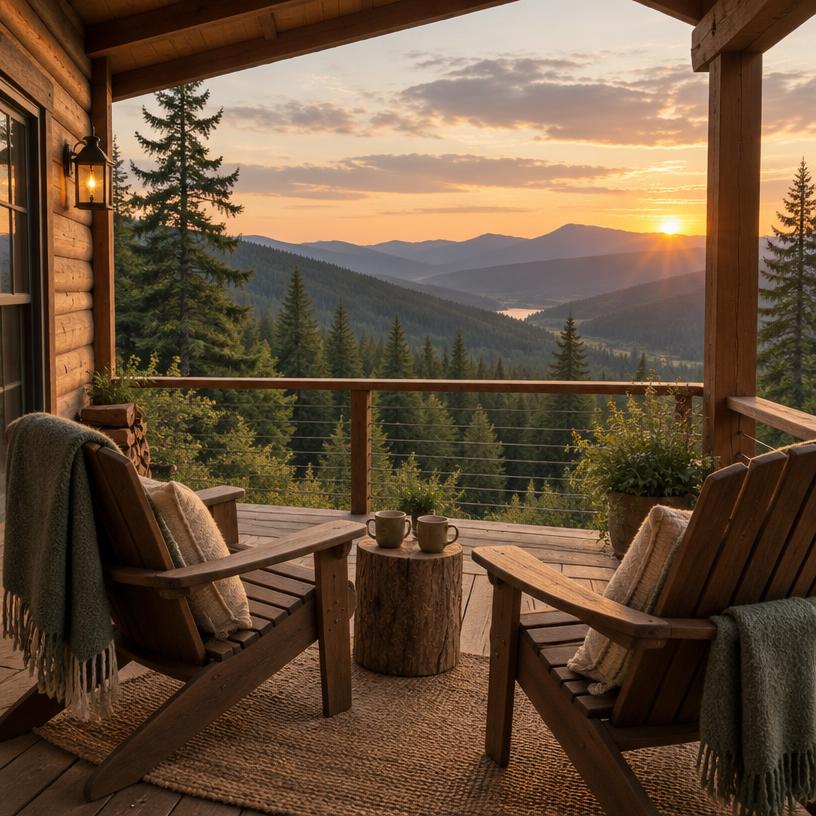
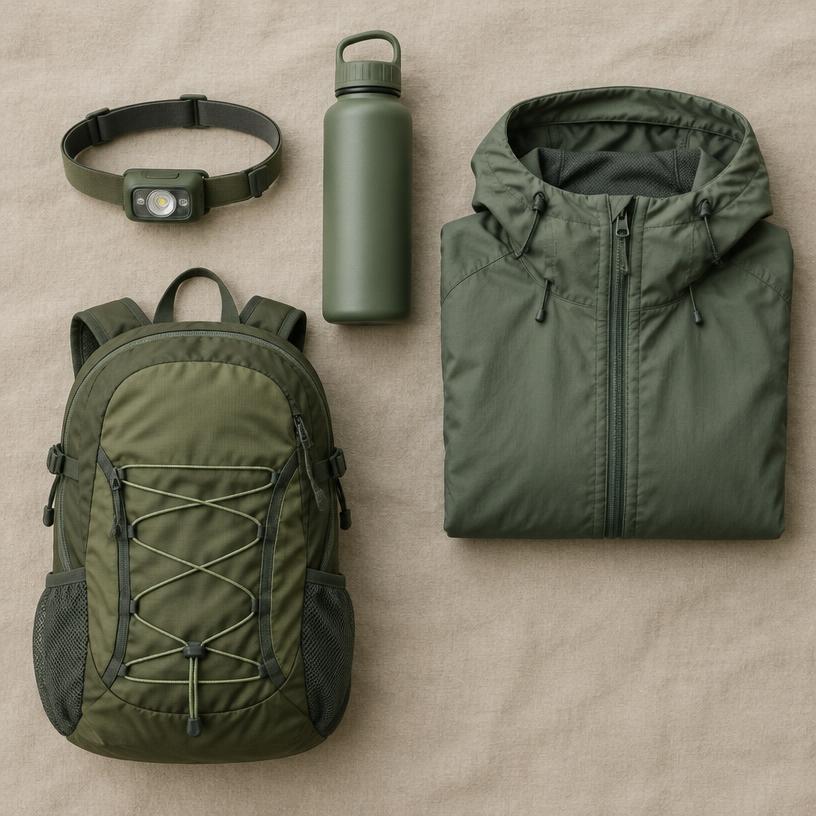
Colorado Rockies glamping can mean a furnished canvas tent, a yurt, or a small cabin that keeps mountain scenery close without requiring a full camping setup. The label does not guarantee a private bathroom, heat, or easy road access, so compare actual amenities before choosing. For a three-to-five-day trip, start with the hiking area or mountain town you want to explore, then look for a stay nearby.
 Step 1
What a Mountain Glamping Stay Looks Like
Expect more variety than the word glamping suggests. One property may provide a real bed, linens, electricity, and a nearby shared bathhouse; another may offer a basic yurt with limited lighting and a toilet a short walk away. Cabins can feel closer to a conventional rental, while canvas tents place you more directly in the rhythms of wind, rain, and nighttime temperatures.
Read the amenity list as carefully as you would a campsite description. Confirm heating, bedding, potable water, food storage, cooking equipment, bathroom access, and the distance from parking to your unit. Ask whether you need to bring towels or sleeping bags, and whether the access road is suitable for your vehicle. Mountain stays can also have limited cell service. Save arrival directions offline, plan to arrive before dark when possible, and avoid assuming that an attractive interior photograph tells you everything about the site.
 Step 2
Choose a Gateway Area Before a Property
Estes Park and surrounding communities make sense for trips centered on the east side of Rocky Mountain National Park. Grand Lake suits travelers interested in the park's west side and nearby water, but Trail Ridge Road does not provide a year-round connection between these bases. Choose the side that matches your plans rather than expecting to commute across the park regardless of season.
For Summit County hikes and Lake Dillon outings, look around the broader areas near Silverthorne, Dillon, and Frisco. The upper Arkansas Valley around Buena Vista and Salida offers another mountain base, particularly for travelers interested in river scenery and the Sawatch Range. Accommodation types vary, and not every town has every glamping style. Search the surrounding area, then verify the actual location, access road, and travel distance to your activities. A remote setting can be appealing, but it may also mean more driving for groceries and meals.
 Step 3
Match the Structure to the Season
Summer is the easiest starting point for most tent-style mountain stays, but nighttime temperatures can still call for substantial bedding and warm clothing. Afternoon storms may interrupt outdoor cooking or lounging. A covered porch is useful, yet it should not be treated as adequate shelter during lightning. Ask the host about weather procedures and where guests should go when conditions become severe.
September can bring crisp nights and fall color, with increasing chances of frost or snow at higher elevations. Verify that any advertised heater serves the sleeping space and that the property remains open for your dates. Winter glamping requires much more specific confirmation: insulation, dependable heating arrangements, winterized plumbing, snow removal, and suitable road access all matter. Some canvas accommodations close seasonally, while certain cabins and yurts operate longer. Check official park or forest conditions for nearby outings, since an open lodging property does not imply open hiking trails.
Step 4Glamping, Camping, or RV: Compare the Tradeoffs
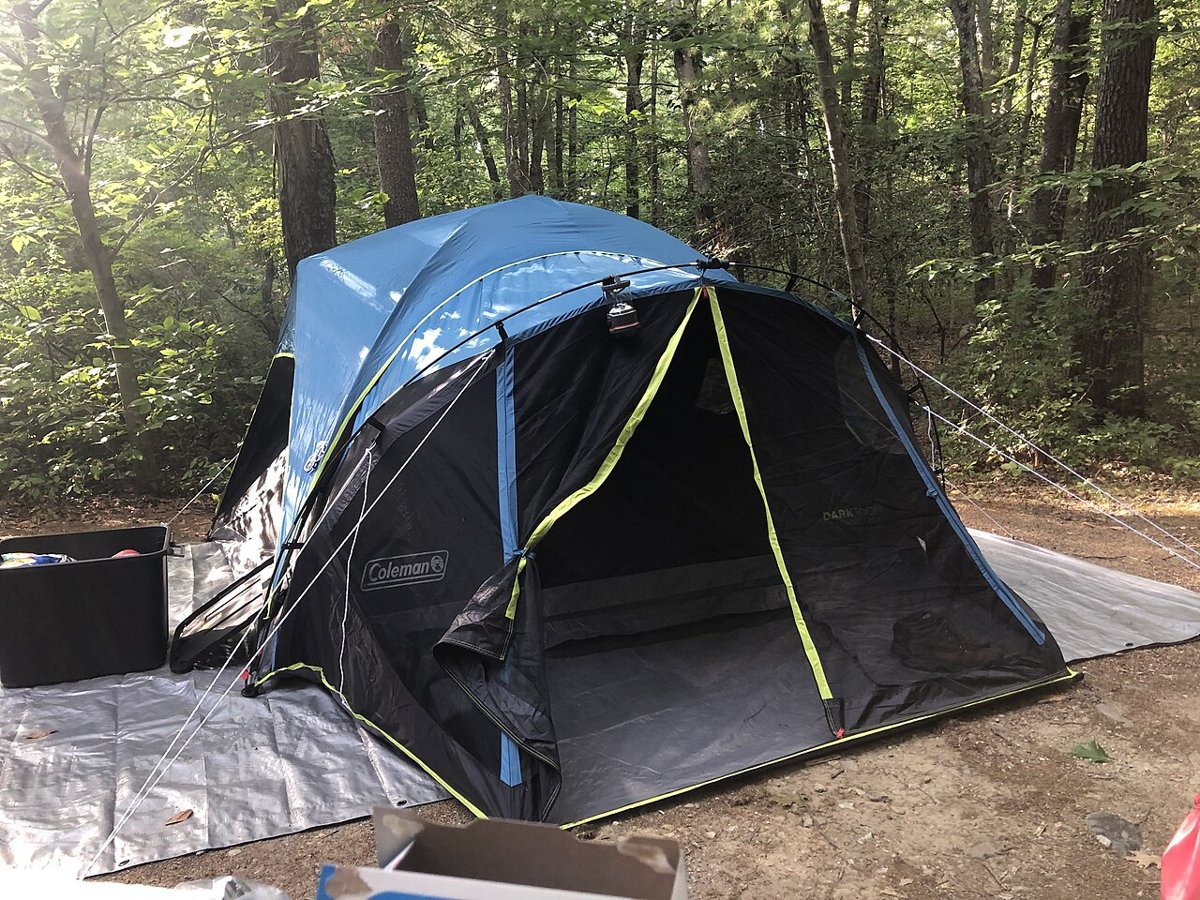
Glamping is useful when you want an outdoor setting but do not want to transport a tent, mattress, and full sleep system. You are paying partly for setup and convenience, although kitchens and bathrooms may still be shared. Traditional camping offers more control over your gear and often a simpler setting, but it requires planning for weather, food storage, cooking, and cleanup.
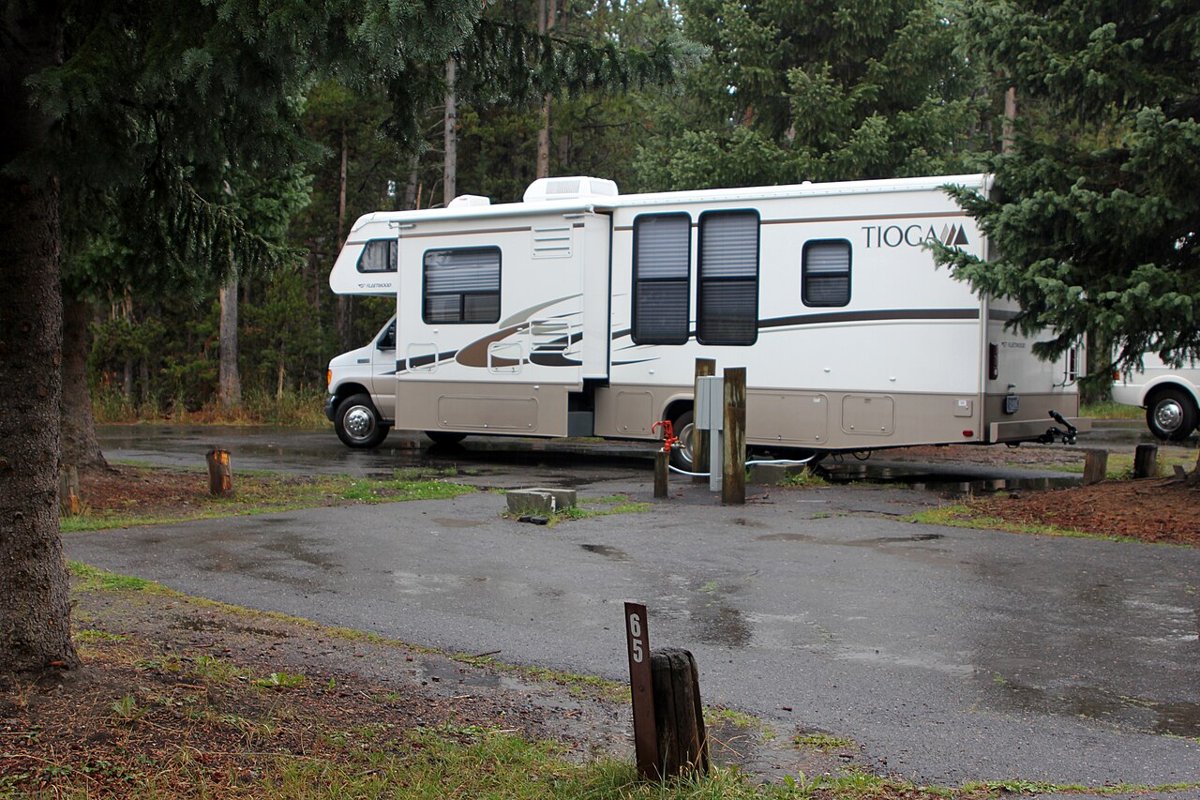
An RV provides an enclosed living space and may include its own kitchen and bathroom, yet the campsite's hookups, parking limits, and vehicle access remain important. Not every scenic mountain road or campground suits a large rig. Compare total trip needs rather than nightly rates alone: bedding fees, cleaning charges, equipment rentals, and extra driving can change the picture. Treat cost estimates as rough and date-dependent. If your group values a private bathroom or dependable indoor cooking, filter for those features first instead of choosing solely by the accommodation label.
Step 5Reserve Carefully and Follow Mountain-Site Rules
Start looking early for summer weekends and fall-color dates, especially if you need several beds or a pet-friendly unit. Before booking, review cancellation terms, minimum stays, arrival instructions, and what happens if weather affects access. Confirm whether pets can be left unattended and whether nearby trails allow them; lodging permission does not override national park or public-land restrictions.
Follow the property's food-storage instructions and keep food, trash, and scented items secured as directed. Do not assume a canvas tent is an appropriate food-storage location. Campfires may be restricted even when a site has a fire ring, so check current local fire rules and bring a permitted cooking alternative. Use designated paths and waste facilities, and respect quiet hours. Finally, reserve any required park entry or activities separately: an overnight stay outside Rocky Mountain National Park does not automatically provide park access. Check the official NPS site before arrival.
Quick answers about Colorado Rockies
When is the best time to go glamping near Colorado Rockies?
June – September for hiking; December – March for skiing offers the most comfortable glamping weather near Colorado Rockies.
How do you get to glamping near Colorado Rockies?
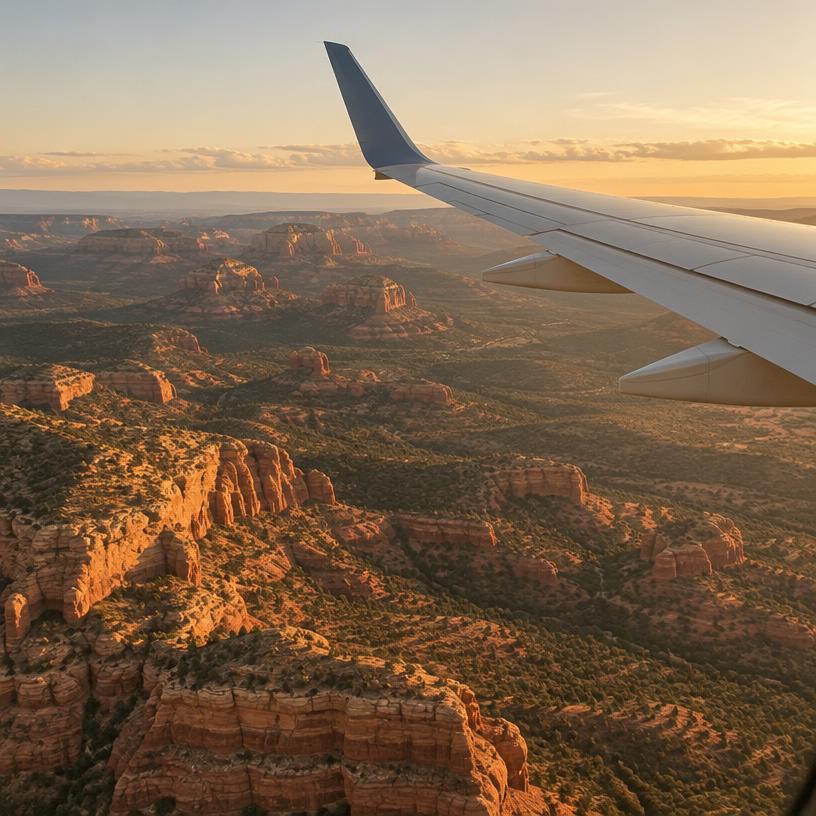
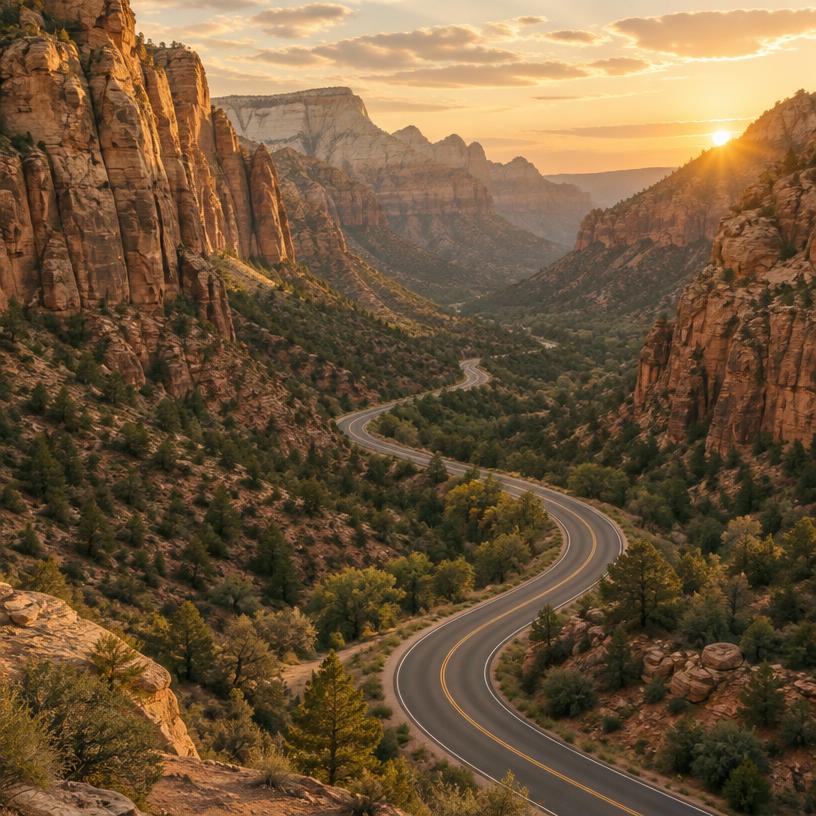
Fly into BJC, about 1 h 52 min away by car, then drive — most sites need a car.
Do glamping sites near Colorado Rockies sell out?
Yes, popular sites often book out months ahead in peak season, so reserve early.
Airport car & SUV rentals
- ✓ Compare suppliers at BJC
- ✓ Free cancellation on many rates
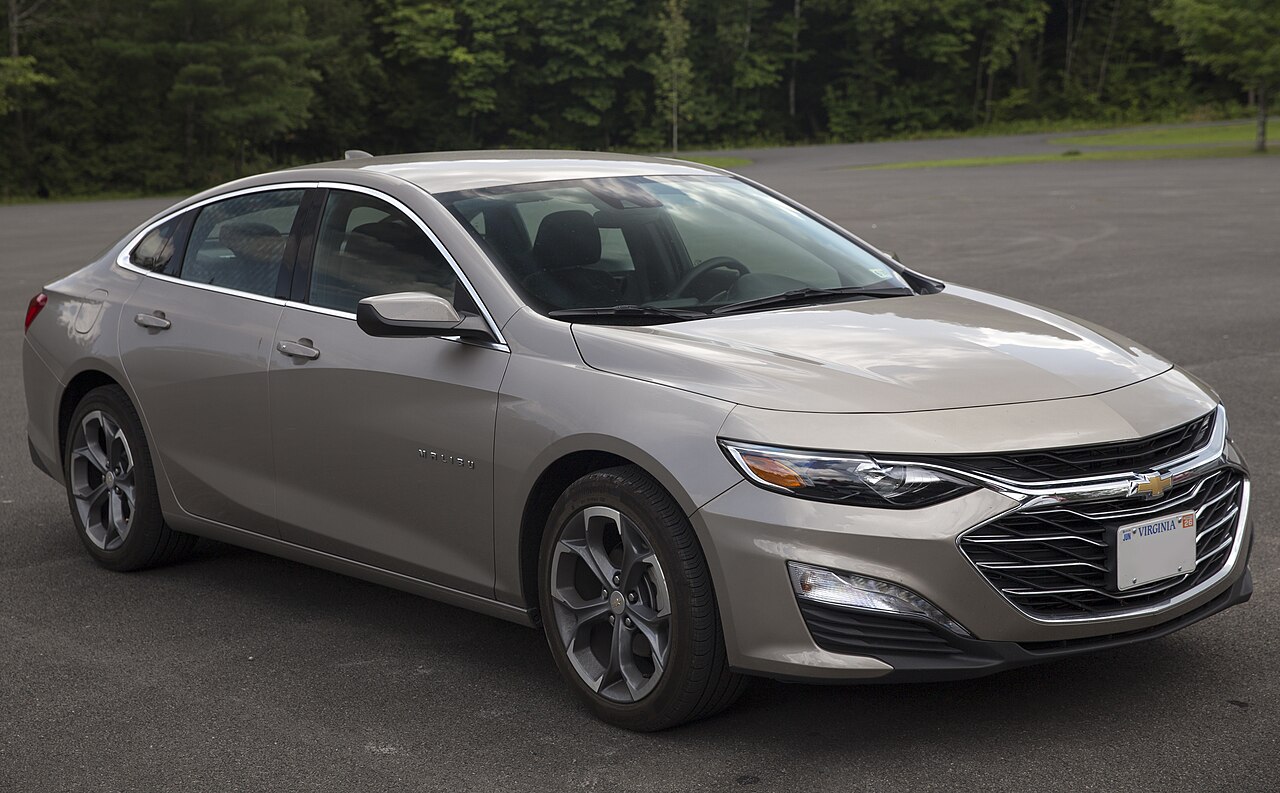
Standard car rentals at BJC
Est. from $45/day · typical rate
Pick your dates and vehicle class.
Compare rates at BJC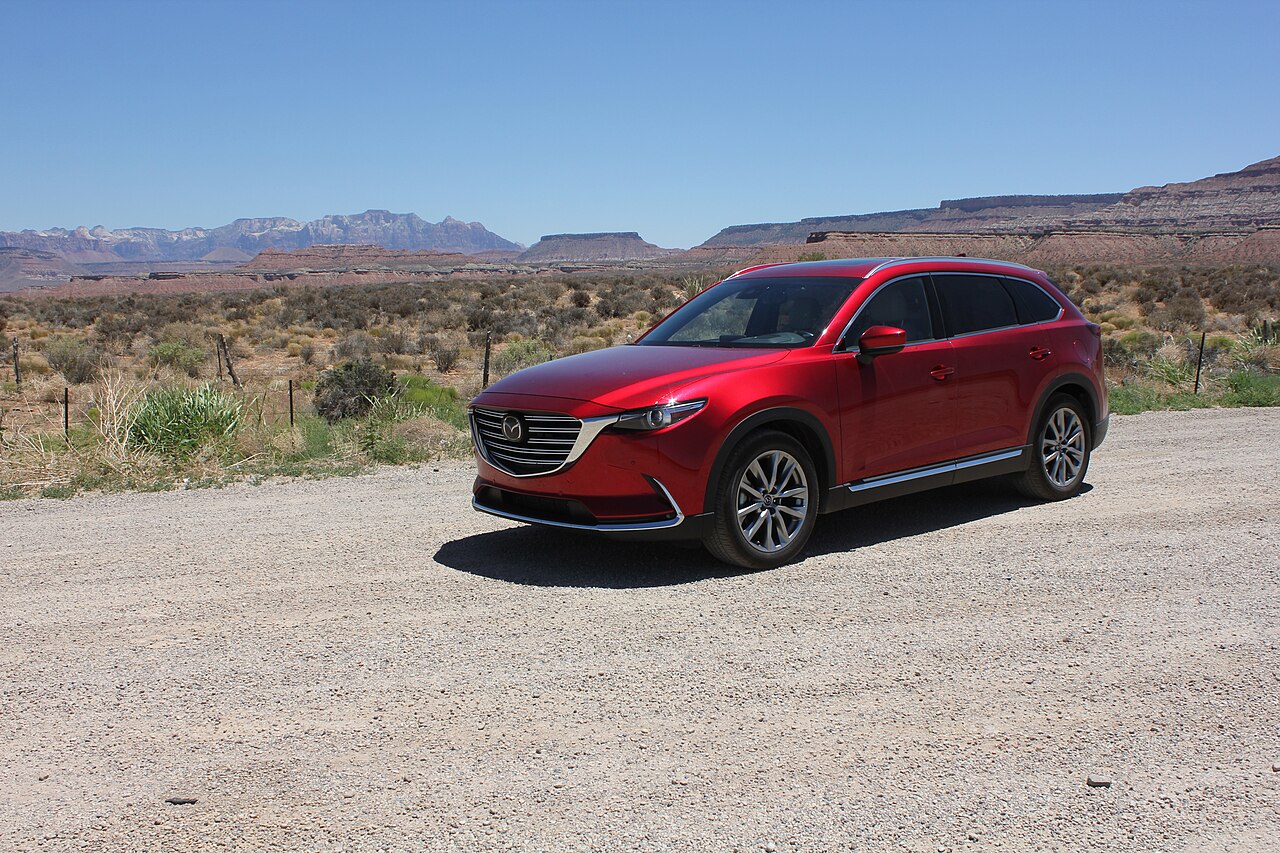
- ✓ Compare suppliers at BJC
- ✓ Free cancellation on many rates
SUV rentals at BJC
Est. from $55/day · typical rate
Pick your dates and vehicle class.
Compare rates at BJCViator
Tours & experiences near Colorado Rockies
Explore guided activities around Colorado Rockies. Check the meeting point, dates and availability on Viator before booking.
Open tour listings separately