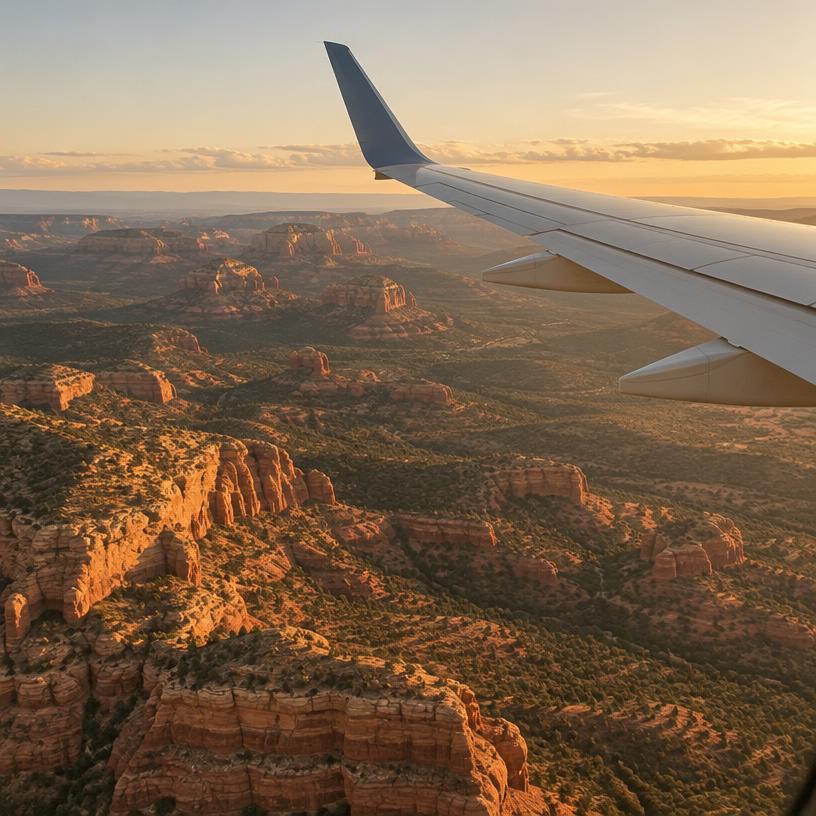
 Arrival airport
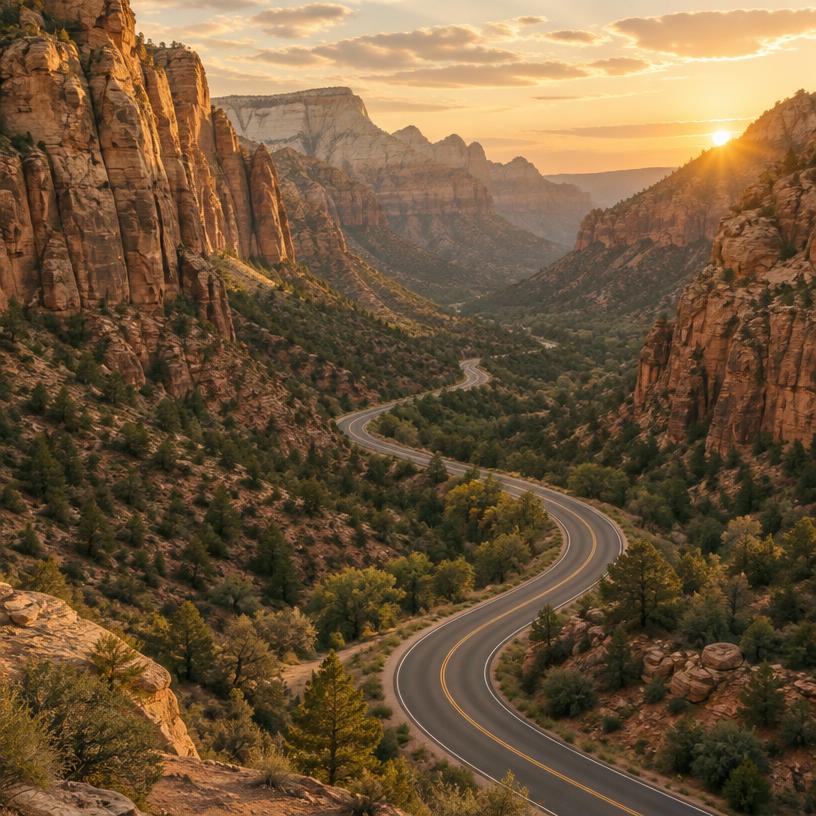 Airport drive
 Reservation demand
 Best season
This three-day Sequoia itinerary balances the famous giant trees with a mountain hike and time to enjoy the drive rather than rush it. Use Three Rivers as a convenient southern gateway, or choose an in-park stay when available to reduce repeated uphill travel. With two days, focus on Giant Forest and one additional outing; with four, add a relaxed buffer day for weather, rest, or a separate visit to neighboring Kings Canyon.
 Step 1
Arrival: Fly Into Fresno and Settle Near the Park
Fresno Yosemite International Airport, airport code FAT, is a practical arrival point. Use the supplied estimate of about 81 miles and 125 minutes as a rough planning baseline for the gateway approach, not a promised travel time to your lodging or a Giant Forest trailhead. Your actual route, traffic, stops, and mountain destination can add considerable time.
Pick up groceries and other essentials before heading deeper into the mountains. Three Rivers works well for southern access, while Visalia and Fresno offer more urban services but longer park-day drives. If your flight arrives late, keep arrival day simple. Check the official NPS website for entrance-road conditions before committing to an evening mountain drive.
Day 1: General Sherman and Giant Forest
Leave your lodging early and make Giant Forest the focus of your first full day. Start with General Sherman, allowing time for parking, the walk to the tree, and the uphill return. If everyone is comfortable with the distance and conditions, extend the outing onto the Congress Trail instead of immediately moving the car to another attraction.
After lunch at a designated picnic area, visit the Giant Forest Museum if open and consider Big Trees Trail for a shorter afternoon walk. This combination introduces both the scale of the trees and the landscape that supports them. Keep the evening light, especially if you must drive back down to Three Rivers.
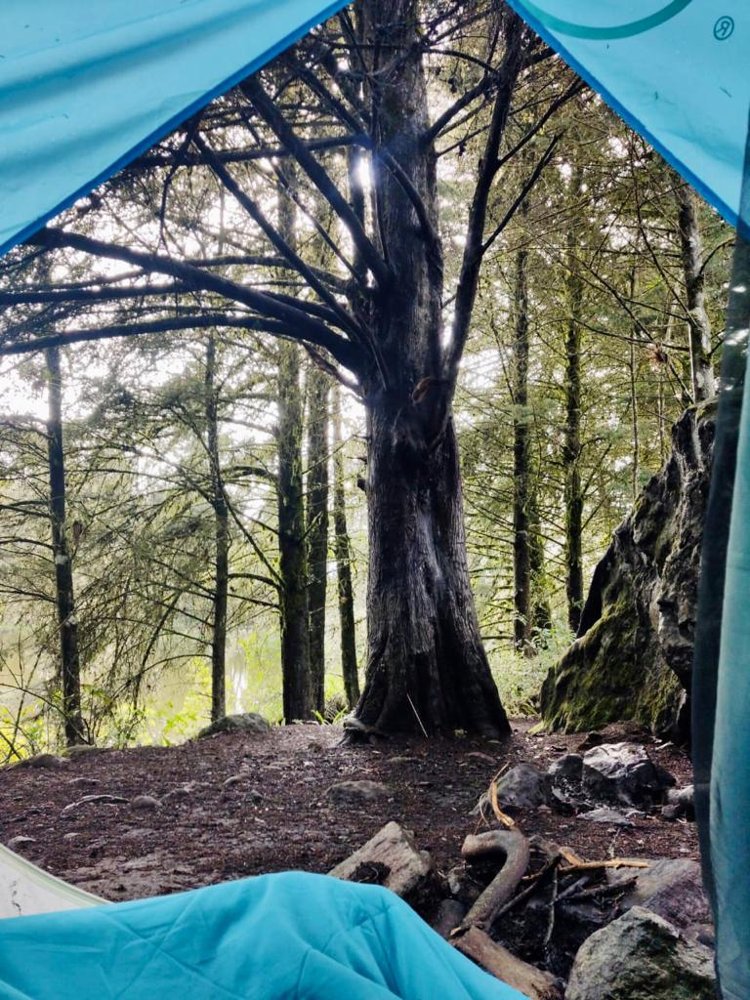
Day 2: Lodgepole and a Mountain Hike
Spend your second day around Lodgepole, choosing a hike that matches your group’s ability and current conditions. The route toward Tokopah Falls is a popular option, roughly four miles round trip, with mountain scenery along the way. The waterfall’s flow changes through the season, and early-season snow or trail damage can affect access.
Start in the morning, carry water and lunch, and turn around if conditions exceed your comfort or equipment. Keep away from swift water and wet rock edges. After the hike, enjoy a quiet picnic or a short nearby walk rather than adding another major drive. If the trail is unsuitable, substitute a shorter open forest route recommended by park staff.
Day 3: Moro Rock, Crescent Meadow, and Departure
Use your final day for the Moro Rock and Crescent Meadow area when seasonal access allows. Climb Moro Rock only if the weather, footing, and your group’s comfort with exposed stairs are suitable. Then slow down with a walk near Crescent Meadow, staying on established paths and watching for wildlife from a distance.
Confirm current vehicle access and any shuttle arrangements before setting out, since this area can have seasonal restrictions. If you are flying home the same day, choose just one outing and leave a generous return buffer. Mountain-road travel is slower than the mileage suggests. For an early flight, spend the previous night closer to Fresno rather than fitting in another park stop.
 Step 5
Planning Tips, Reservations, and Extra Days
Reserve lodging or camping well ahead for summer travel, and check official booking windows rather than assuming all sites release together. Most ordinary day hikes do not require wilderness permits, but overnight backcountry trips involve separate rules and planning. Review current entrance requirements, campground reservations, fire restrictions, and road alerts on the official park website.
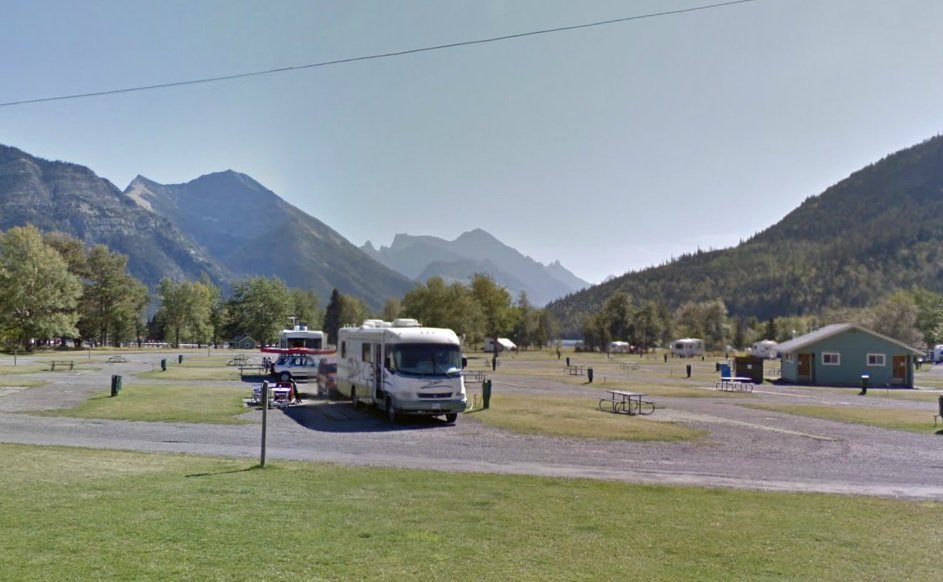
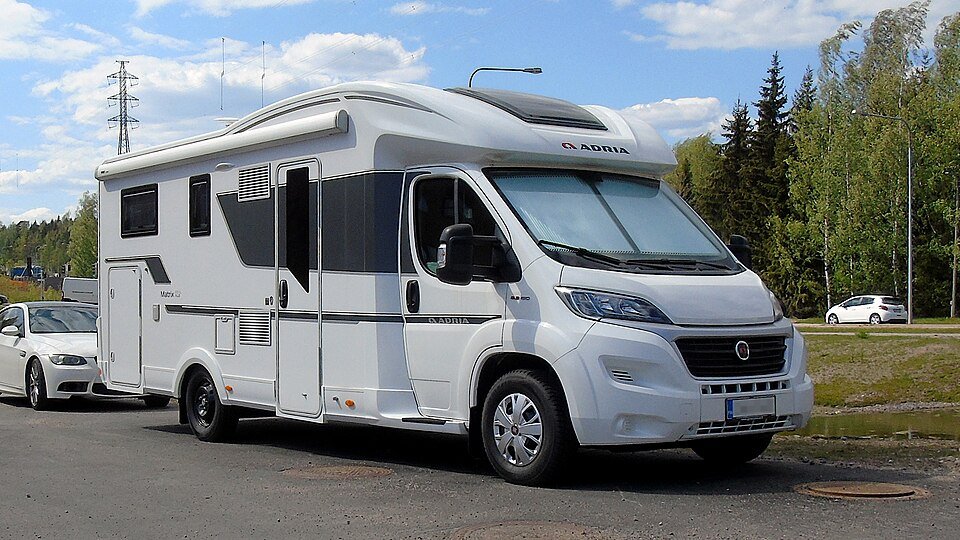
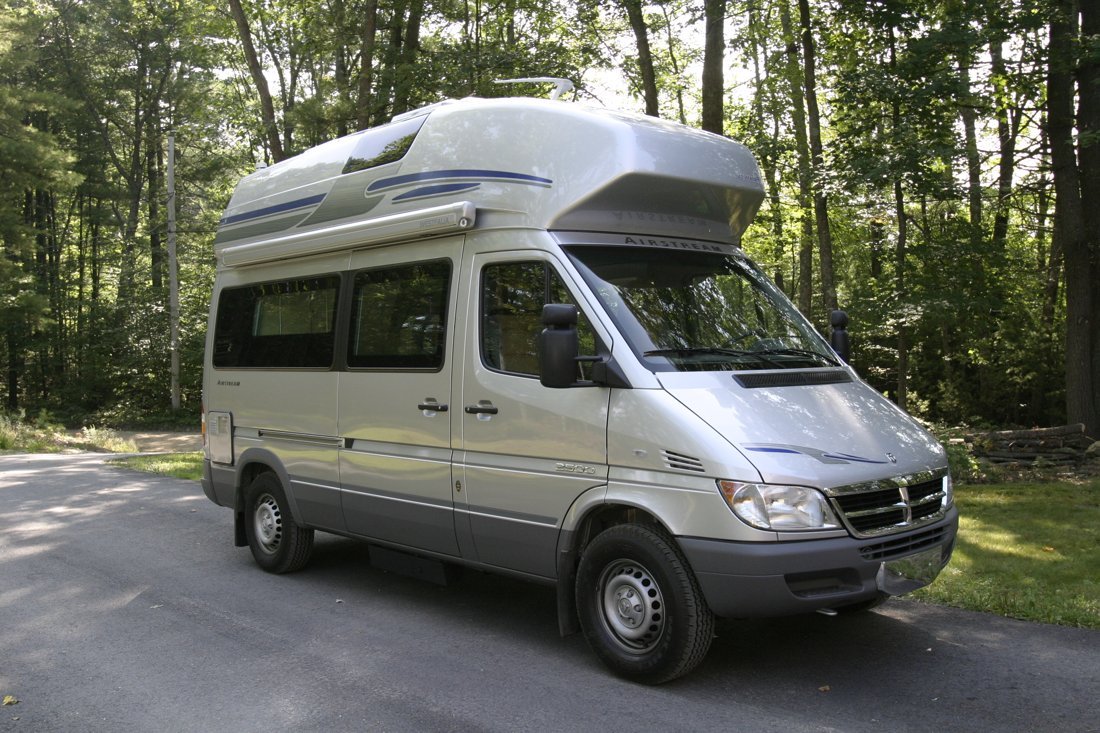
Download maps before arrival because cell service is limited. Pack lunches, layers, and enough water for your planned outings, and follow all food-storage requirements. For an RV trip, review vehicle-length advisories and campground dimensions before choosing a route. An extra day is best used as breathing room; a Kings Canyon extension deserves its own driving and sightseeing allowance.
Quick answers about Sequoia National Park
How many days should a Sequoia National Park itinerary be?
A 2–4 days itinerary covers the main sights without rushing.
Which airport should you fly into for Sequoia National Park?
The closest airport is FAT, about 2 h 5 min away by car.
How much does a Sequoia National Park trip cost?
Budget about $180 per person per day, excluding flights (a typical estimate; prices vary by season).
Airport car & SUV rentals

- ✓ Compare suppliers at FAT
- ✓ Free cancellation on many rates
Standard car rentals at FAT
Est. from $45/day · typical rate
Pick your dates and vehicle class.
Compare rates at FAT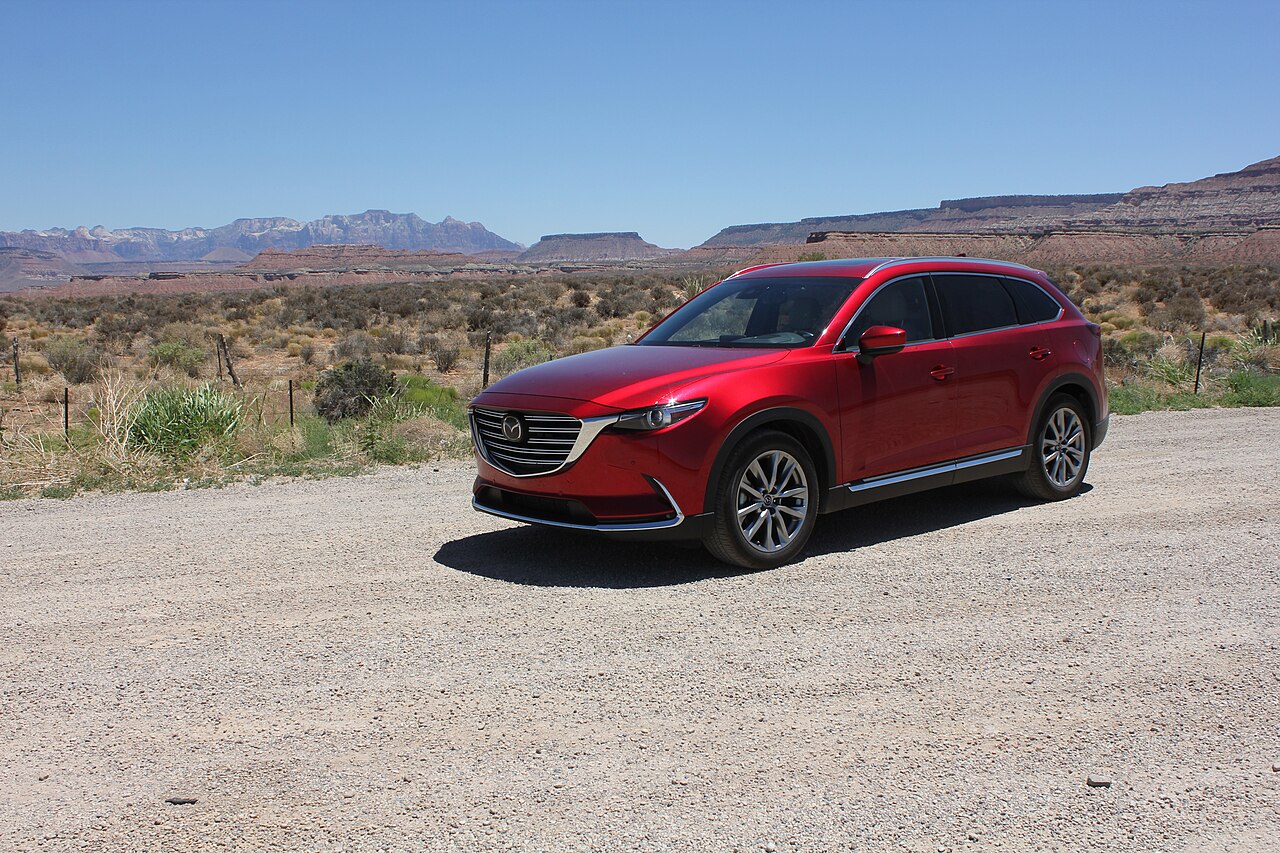
- ✓ Compare suppliers at FAT
- ✓ Free cancellation on many rates
SUV rentals at FAT
Est. from $55/day · typical rate
Pick your dates and vehicle class.
Compare rates at FATViator
Tours & experiences near Sequoia National Park
Explore guided activities around Sequoia National Park. Check the meeting point, dates and availability on Viator before booking.
Open tour listings separately