 Arrival airport
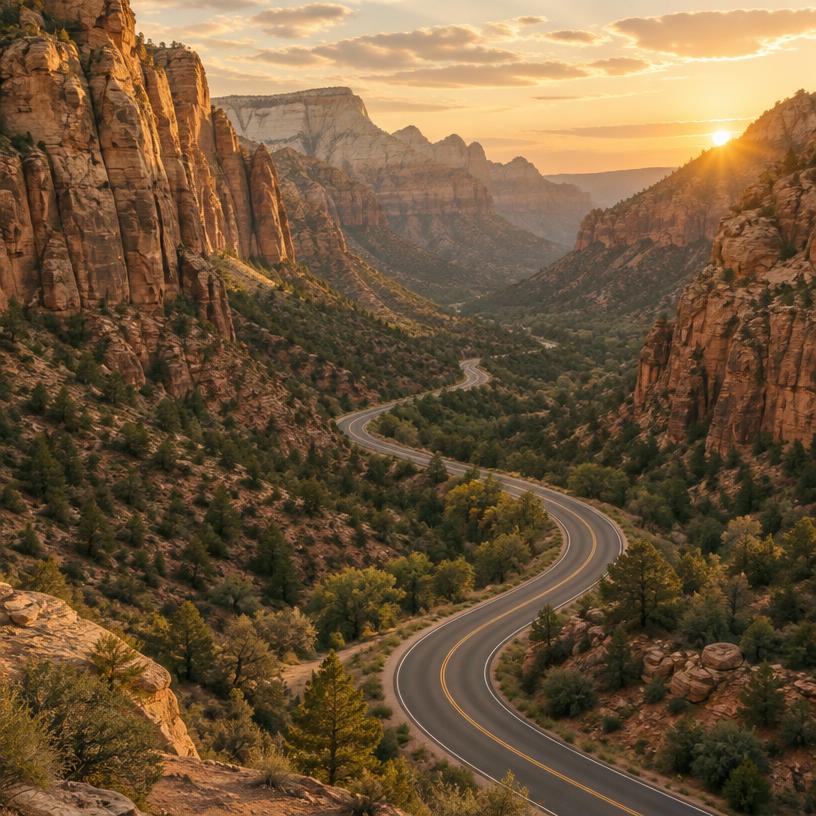 Airport drive
 Reservation demand
 Best season
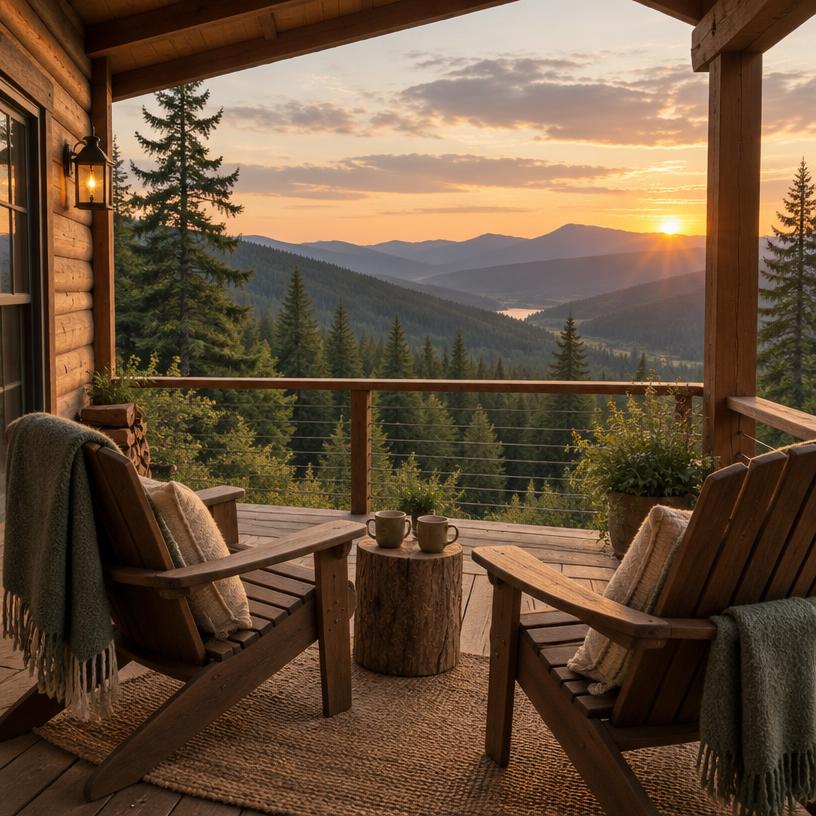
This Napa Valley itinerary is designed to help you navigate the region’s diverse highlights over three well-paced days. Starting from the gateway city of Napa and moving north through St. Helena to Calistoga, you will experience a blend of scenic drives, world-class dining, and outdoor recreation. With easy access from Buchanan Field (CCR) in Concord—just a 39-mile drive away—your Northern California adventure begins the moment you cross into the valley.
Day 1: The Gateway and River Views
Begin your journey by arriving in the city of Napa, the southern anchor of the valley. After the roughly one-hour drive from the airport, settle into your accommodation and head toward the Oxbow District. Start with a fresh lunch at the public market, where you can sample local oysters, wood-fired pizza, or artisan tacos. Spend your afternoon walking the Napa Riverfront, a revitalized area that showcases the intersection of the town's industrial past and its modern, luxury present.
As the sun begins to set, take a short drive to a nearby hilltop estate in the Carneros region to enjoy the sweeping views of the San Pablo Bay. The cool breeze from the water makes this a unique microclimate in the valley. For dinner, the downtown area offers a wide array of options ranging from casual gastropubs to high-end bistros. Walking through the historic residential neighborhoods nearby, you can admire the beautifully preserved Victorian architecture that dates back to the mid-19th century, providing a sense of the deep history of this California community.
Day 2: The Heart of the Valley
On your second day, head north along the Silverado Trail toward St. Helena. This road is less congested than Highway 29 and offers stunning views of the eastern hillsides. Your first stop should be a mid-morning walk through one of the local parks, such as Moore Creek Park, to stretch your legs before visiting a historic estate. St. Helena is often considered the 'main street' of the valley, featuring a charming downtown filled with upscale boutiques, galleries, and historic stone buildings.
For lunch, enjoy a picnic at one of the public parks or find a shaded spot at a local deli. In the afternoon, explore the 'Bale Grist Mill State Historic Park' to see a fully restored 1846 water-powered mill. This site provides a fascinating look at the early settlers' lives before the wine industry dominated the landscape. Finish your day with a drive back south as the 'golden hour' hits the vines, painting the landscape in deep ambers. The evening is perfect for a multi-course meal in one of the valley's legendary restaurants, where the focus is on seasonal, farm-to-table ingredients that reflect the local harvest.
Day 3: Northern Heights and Relaxation
For your final day, continue north to Calistoga, the valley's most northern and laid-back town. Start your morning early with a hike in Robert Louis Stevenson State Park. The trail up the slopes of Mount Saint Helena offers breathtaking panoramic views of the entire valley floor and, on clear days, the distant peaks of the Sierras. After your hike, head into the town of Calistoga to experience its famous geothermal culture.
A soak in a mineral pool or a traditional mud bath is the quintessential Calistoga experience, providing a deep sense of relaxation before your trip ends. Spend the afternoon browsing the independent bookstores and shops along Lincoln Avenue. Before heading back toward the airport, stop by a local creamery or bakery for a treat. The drive back south through the valley allows for one last look at the rolling hills and orderly rows of vines that make this region so iconic. This itinerary ensures a balance of physical activity, cultural immersion, and the world-class relaxation for which the valley is known.
 Step 4
Travel Tips and Logistics
When following this Napa Valley itinerary, transportation is a key consideration. While the valley is relatively compact, the main roads can become busy during peak hours. If you plan on visiting multiple estates, consider using a local shuttle service or a rideshare to ensure a safe and stress-free day. Many visitors also enjoy renting bicycles to traverse the Napa Valley Vine Trail, a paved path that eventually aims to connect the entire valley from Vallejo to Calistoga.
Remember to check the official National Park Service or California State Parks websites for the most current information on trail conditions, park hours, and any necessary parking permits. Reservations for most activities, including dining and tours, are highly recommended and often required. By booking your spots a few weeks in advance, you can avoid disappointment and ensure your schedule flows smoothly. Pack layers, as the temperature can swing significantly between the foggy mornings and the sun-drenched afternoons, regardless of the season.
 Step 5
Budgeting for Your Napa Adventure
Napa Valley is widely regarded as a premium destination, and your budget should reflect that. A rough daily estimate for a mid-range to luxury trip is around 450 dollars per person, covering accommodation, dining, and activity fees. While there are ways to experience the valley more affordably—such as visiting public parks, enjoying picnics, and staying in nearby towns just outside the valley proper—most visitors come to indulge in the region’s high-end offerings.
Many tasting fees can be substantial, though they are often waived with the purchase of a few bottles. For dining, lunch is often a more budget-friendly way to experience world-class kitchens than dinner. Keep in mind that prices for lodging fluctuate significantly based on the season, with the harvest months being the most expensive. Planning your trip during the shoulder seasons of spring or winter can help your budget go further while still providing a high-quality experience. Always factor in costs for transportation and gratuities to ensure a realistic view of your travel expenses before you arrive.
Quick answers about Napa Valley
How many days should a Napa Valley itinerary be?
A 2–4 days itinerary covers the main sights without rushing.
Which airport should you fly into for Napa Valley?
The closest airport is CCR, about 56 min away by car.
How much does a Napa Valley trip cost?
Budget about $450 per person per day, excluding flights (a typical estimate; prices vary by season).
Airport car & SUV rentals

- ✓ Compare suppliers at CCR
- ✓ Free cancellation on many rates
Standard car rentals at CCR
Est. from $45/day · typical rate
Pick your dates and vehicle class.
Compare rates at CCR
- ✓ Compare suppliers at CCR
- ✓ Free cancellation on many rates
SUV rentals at CCR
Est. from $55/day · typical rate
Pick your dates and vehicle class.
Compare rates at CCRViator
Tours & experiences near Napa Valley
Explore guided activities around Napa Valley. Check the meeting point, dates and availability on Viator before booking.
Open tour listings separately