 Arrival airport
 Airport drive
 Reservation demand
 Best season
This Lake Powell itinerary uses Page, Arizona, as a practical base for the reservoir’s southern end. It pairs a dedicated water day with nearby viewpoints and leaves optional time for a longer boat outing or weather backup. Because your starting airport and drive time are not specified, treat arrival day as flexible rather than assuming you can land, collect a rental car, and reach a kayak launch before afternoon winds.
Day 1: Arrive in Page and Get Oriented
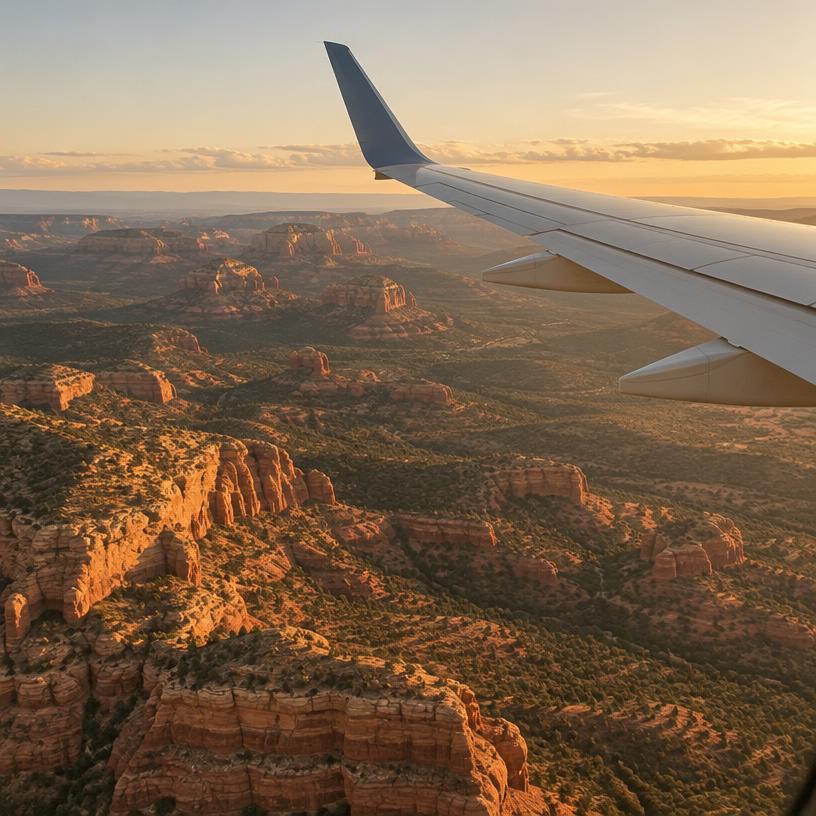
Choose your airport by comparing current flight schedules, rental-car availability, and the complete drive to Page. Las Vegas and Phoenix are major-airport options, but both require a substantial road trip rather than a quick transfer. Regional flight options may also be worth checking. Do not book a tightly timed lake activity until you have mapped the journey from your actual arrival airport.
Once in Page, check in, buy drinking water and picnic supplies, and confirm tomorrow’s launch location with your outfitter or guide. If daylight and weather allow, visit a nearby lake viewpoint or Glen Canyon Dam Overlook. Keep this first outing short after a travel day. Eat in town and organize sun protection, layers, dry storage, and footwear for the morning. Review the weather and official Glen Canyon NPS alerts before committing to the next day’s water plan.
Day 2: Make Kayaking the Main Event
Reserve the morning for a kayak outing suited to your group’s ability and the day’s forecast. Use a guided trip if you want help with unfamiliar launch logistics and route selection. Start with a clear turnaround plan, wear life jackets, and avoid turning a modest paddle into a long crossing just to reach a photogenic canyon.
If you choose the lake-accessed Antelope Canyon area, confirm exactly what the outing includes; it does not substitute for a guided land tour of Upper or Lower Antelope Canyon. After paddling, return to Page for lunch and a break from the sun. Add Horseshoe Bend later only if temperatures, daylight, and weather make the exposed walk reasonable. For a two-day trip, this creates a satisfying finish, but leave adequate travel time afterward. Do not combine a tiring water day with an unrealistically late airport transfer.
Day 3: Choose a Longer Boat Day or Canyon Tour
Use the third day for one substantial experience rather than stacking several time-sensitive reservations. A guided boat outing gives you a broader view of the reservoir without requiring you to operate a rental. If Rainbow Bridge is a priority, confirm current access, total trip length, landing arrangements, and walking requirements before booking; water levels can change the experience considerably.
Alternatively, book an authorized guided Antelope Canyon land tour on Navajo Nation land. Read the specific meeting instructions, gear rules, cancellation terms, and stated time zone. Page and nearby jurisdictions do not always handle daylight saving time the same way, so your phone clock should not be your only reference. Leave the remaining part of the day open for a meal, rest, or a brief overlook stop. If wind canceled Day 2, consider moving your paddle here instead.
Day 4: Keep a Buffer Before Departure
A fourth day is most useful as breathing room. If your main activities went ahead, spend the morning revisiting a favorite lake viewpoint in different light, taking a short walk, or enjoying an unhurried breakfast before the drive. If weather interrupted earlier plans, this is your chance to reschedule, provided equipment or tour space remains available.
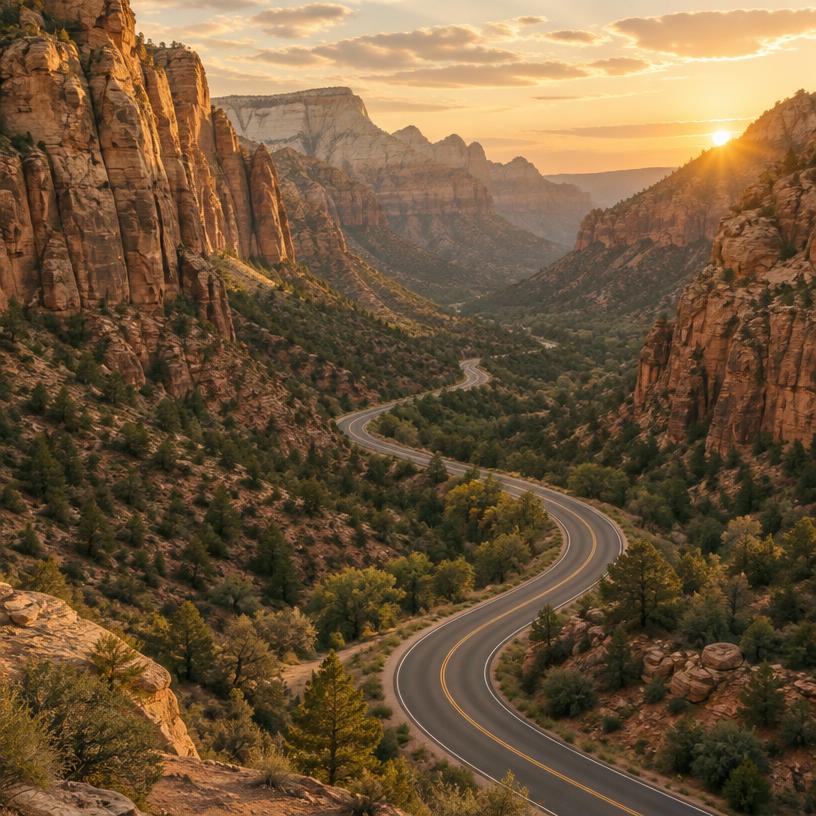
For a land-based extension, the Lees Ferry area offers Colorado River scenery downstream from the dam and a different perspective on Glen Canyon’s surroundings. Treat it as a separate drive, not a stop beside the Page waterfront, and check current access before leaving. Avoid adding a remote detour when you have a same-day flight. Work backward from your rental-car return and airport check-in requirements, allowing for fuel and meal stops. If the schedule becomes tight, drop an activity rather than compressing every part of departure.
 Step 5
Logistics, Reservations, and Rough Costs
Keep your lodging base consistent unless you deliberately want a longer regional road trip. Page offers convenient access to supplies and the southern lake area; Bullfrog, on the Utah side, serves a different part of the reservoir and is not a casual substitute for a Page-area launch. Verify the exact departure point before booking any water activity.
For budgeting, a room or developed campsite plus one guided outing usually involves fewer cost variables than a houseboat rental. Treat accommodation, equipment, meals, recreation fees, fuel, and any separate tour admission as distinct expenses; seasonal quotes are rough planning estimates until confirmed. Read deposit and cancellation terms, especially for weather-sensitive activities. Check the official Glen Canyon NPS site for current conditions, entrance information, campground reservations, and launch updates. Download directions for key locations, and allow room in the schedule for limited connectivity away from town.
Quick answers about Lake Powell
How many days should a Lake Powell itinerary be?
A 3–4 days itinerary covers the main sights without rushing.
Which airport should you fly into for Lake Powell?
The closest airport is PGA, about 15 min away by car.
How much does a Lake Powell trip cost?
Budget about $180 per person per day, excluding flights (a typical estimate; prices vary by season).
Airport car & SUV rentals

- ✓ Compare suppliers at PGA
- ✓ Free cancellation on many rates
Standard car rentals at PGA
Est. from $45/day · typical rate
Pick your dates and vehicle class.
Compare rates at PGA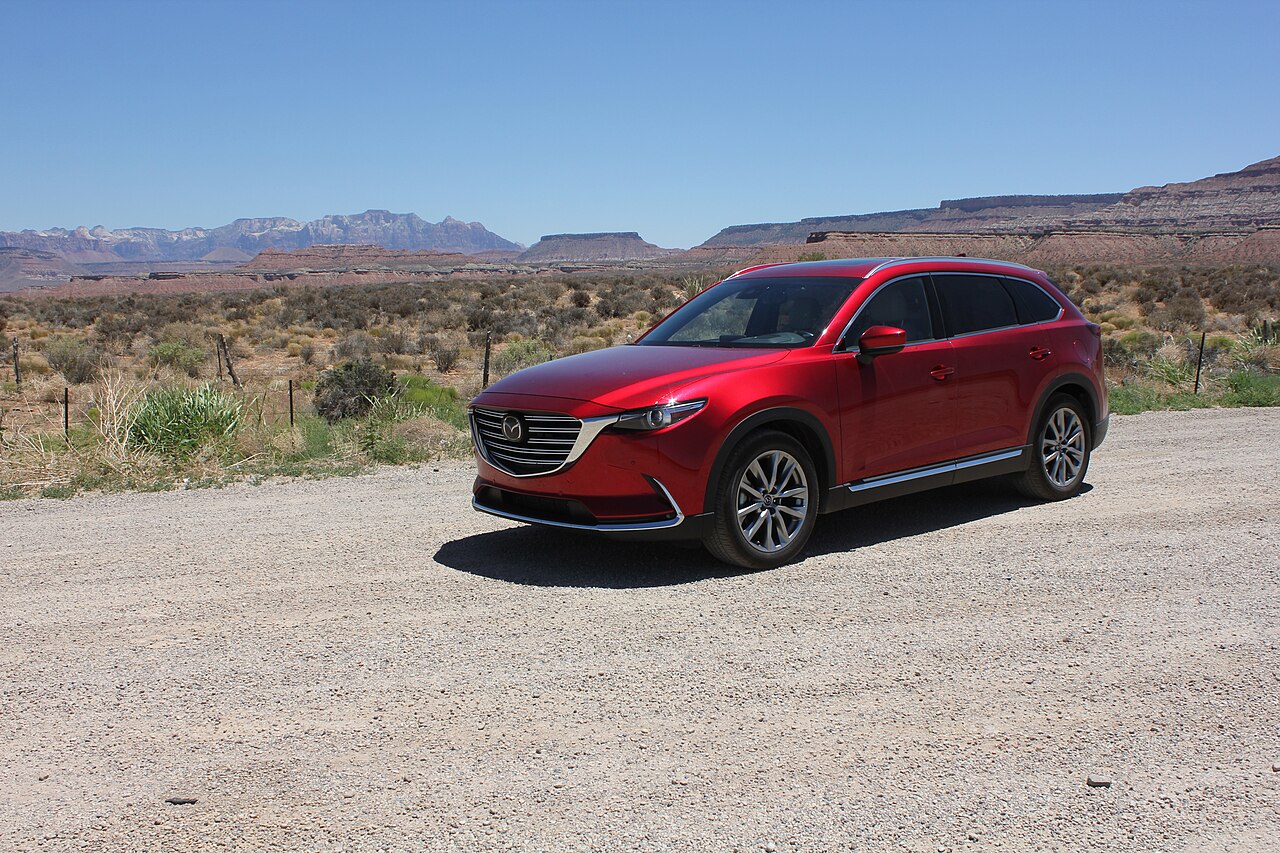
- ✓ Compare suppliers at PGA
- ✓ Free cancellation on many rates
SUV rentals at PGA
Est. from $55/day · typical rate
Pick your dates and vehicle class.
Compare rates at PGAViator
Tours & experiences near Lake Powell
Explore guided activities around Lake Powell. Check the meeting point, dates and availability on Viator before booking.
Open tour listings separately