 Arrival airport
 Airport drive
 Reservation demand
 Best season
A trip to Katmai National Park is a journey to one of the most remote places in North America. With no roads leading into the park, your adventure begins with a flight into King Salmon and a subsequent floatplane hop to Brooks Camp. This three-day itinerary balances the park's two greatest hits: the world-famous brown bears and the staggering volcanic ruins of the Valley of Ten Thousand Smokes. Prepare for an immersive experience in the Alaskan wilderness where nature dictates the schedule.
Day 1: Arrival and First Bear Encounters
Your journey begins with a flight into King Salmon Airport (AKN). From there, you will board a small floatplane for the 20-minute scenic flight to Brooks Camp. Upon landing on the waters of Naknek Lake, you will immediately head to the visitor center for 'Bear School,' a mandatory safety orientation led by park rangers. Once you have your permit and knowledge, it is time to hit the boardwalks.
Spend your first afternoon at the Lower River and Brooks Falls viewing platforms. If you are visiting in July, this is your chance to see the iconic sight of bears catching salmon. The stroll to the falls is about 1.2 miles one way through beautiful spruce forests. Even if the falls are busy, the lower river often has mothers and cubs playing in the shallows. End your day by watching the sunset over the lake before retreating to your lodge or campsite. Budget for a high daily expense here, as food and transport in this remote area are costly.
Day 2: The Valley of Ten Thousand Smokes
On your second day, trade the lush riverbanks for the desolate beauty of the Valley of Ten Thousand Smokes. You will board a rugged park bus for a 23-mile journey across three stream crossings. The drive takes about an hour and a half, but the scenery is spectacular. Once at the Robert F. Griggs Visitor Center, you will be treated to a panoramic view of the ash-filled valley.
Take the guided hike down to the valley floor to see the Ukak River falls. The trail is steep—descending about 800 feet over 1.5 miles—but walking on the compacted volcanic ash is a surreal experience. You will see how the 1912 eruption forever changed the topography of the Alaska Peninsula. Make sure to bring a sturdy lunch and plenty of water, as there are no services once you leave the camp area. The return trip in the late afternoon offers more chances to spot moose or bears along the roadside, so keep your camera ready for the journey back.
Day 3: Coastal Views and Departure
Use your final morning to revisit your favorite viewing platform or explore a new trail. The Dumpling Mountain hike offers a challenging climb but rewards you with a bird's-eye view of Naknek Lake and the Brooks River. On a clear day, you can see the steam rising from distant volcanic peaks. If you prefer a more relaxing morning, spend time at the Cultural Museum learning about the Savonoski people and their history in the region.
After a final lunch at the lodge, you will board your floatplane back to King Salmon. If you have extra time in King Salmon before your flight to Anchorage, you can explore the small town or visit the park's main headquarters nearby. Remember that flights in Alaska are always subject to weather; it is wise to have a flexible mindset. As you fly over the sprawling tundra, you will appreciate the vastness of the park that you just experienced. Check the official NPS site for any last-minute travel alerts before you start your trip back to the gateway cities.
 Step 4
Essential Packing and Gear Tips
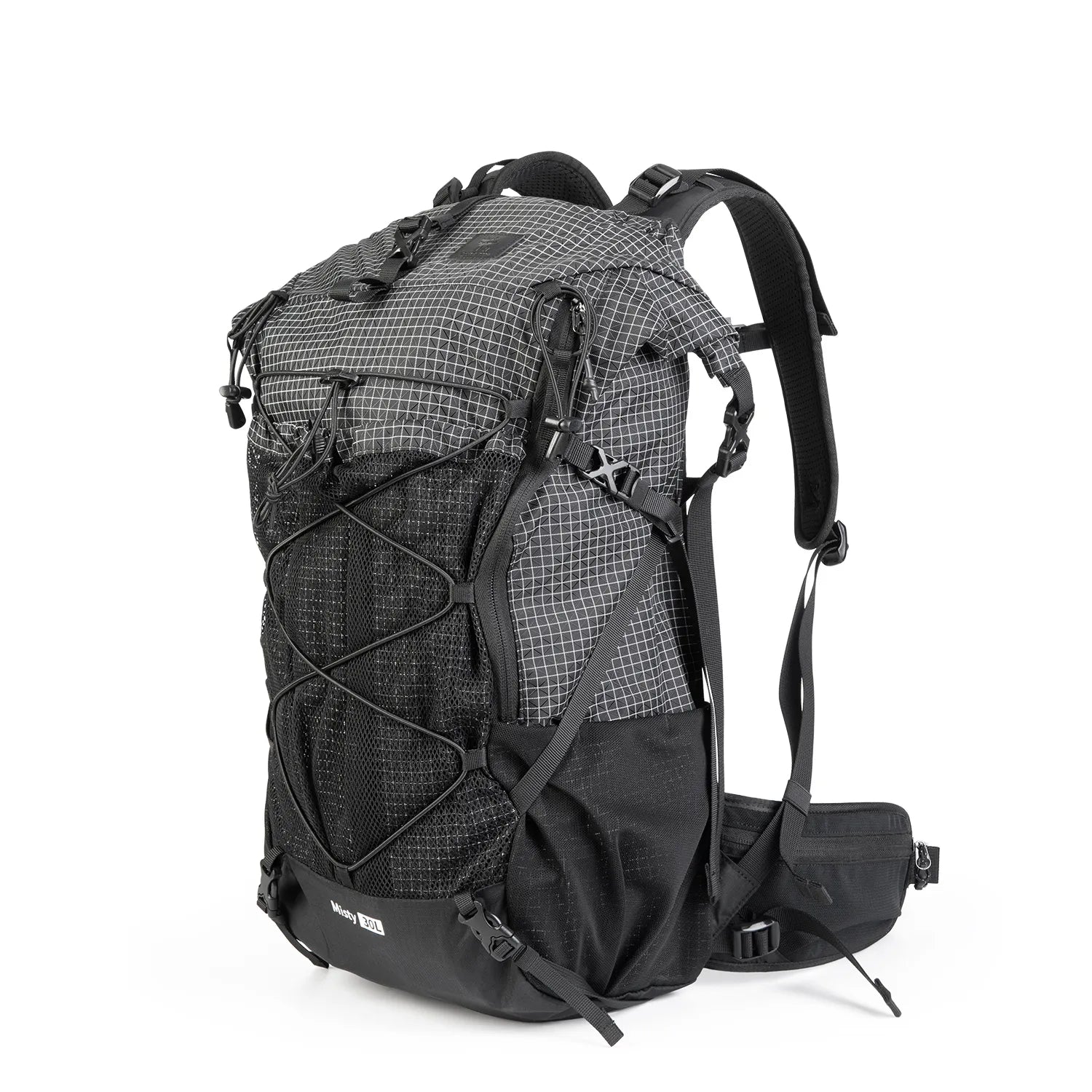
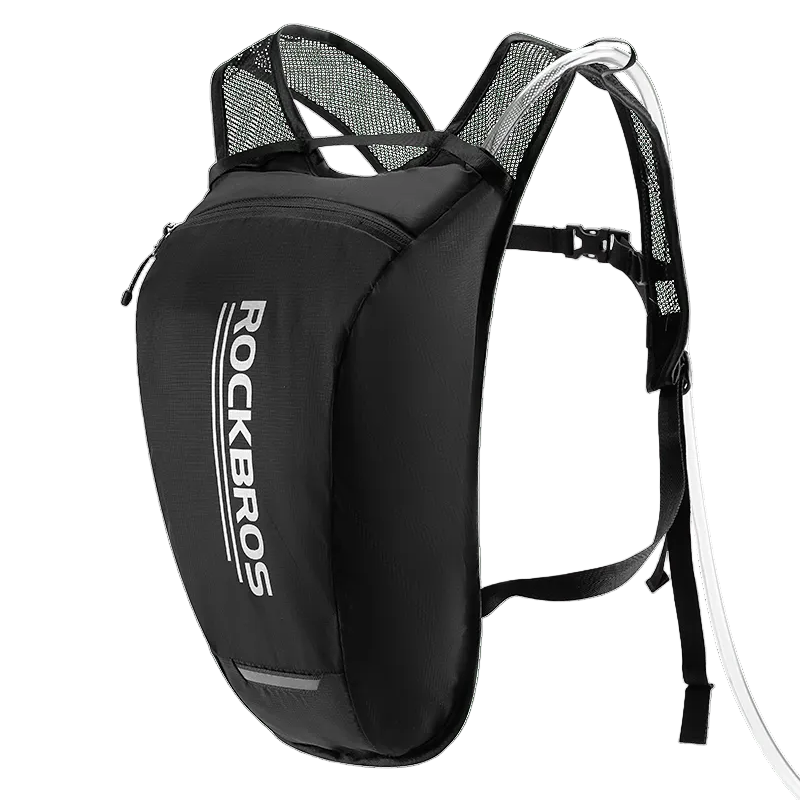
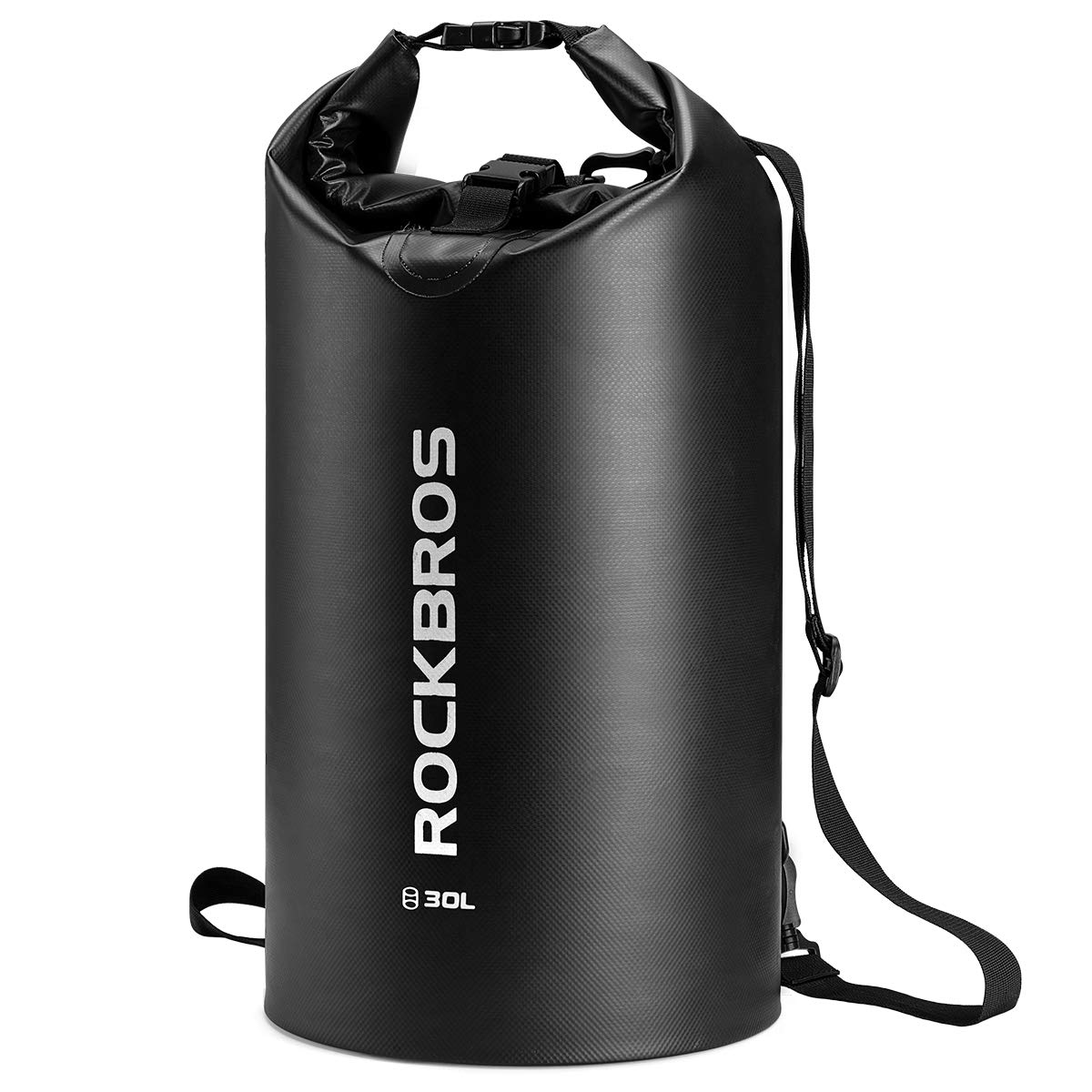
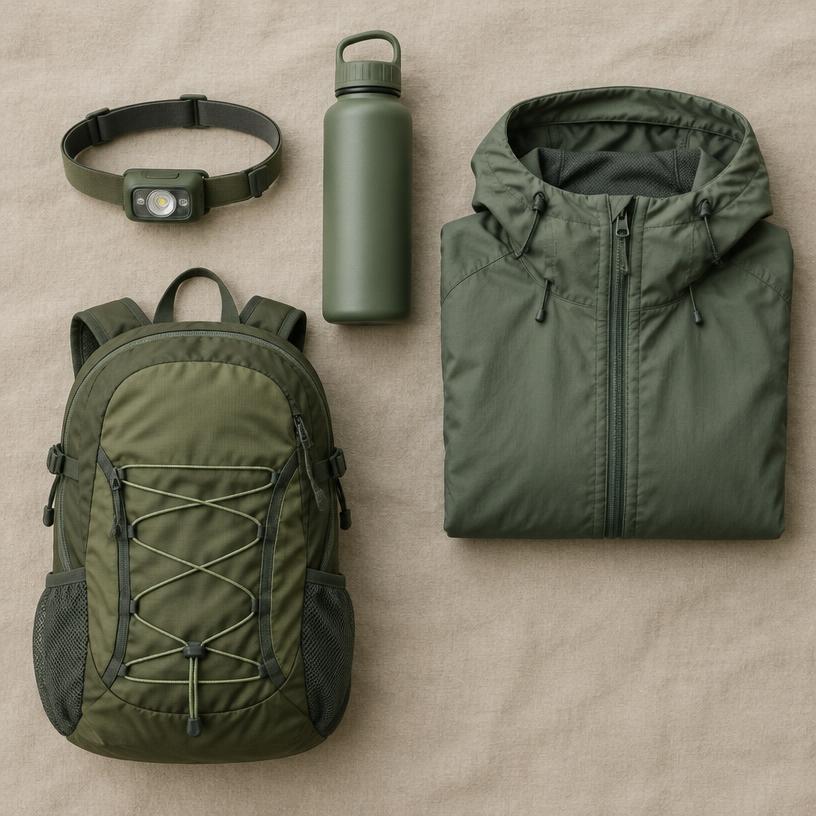
Packing for Katmai requires a focus on utility and layers. Even in the height of summer, temperatures can drop significantly, and rain is a constant possibility. Bring high-quality waterproof boots, a breathable rain shell, and layers of wool or synthetic fleece. Avoid cotton, as it stays wet and cold. Because you will be on your feet most of the day, comfortable hiking socks are a must.
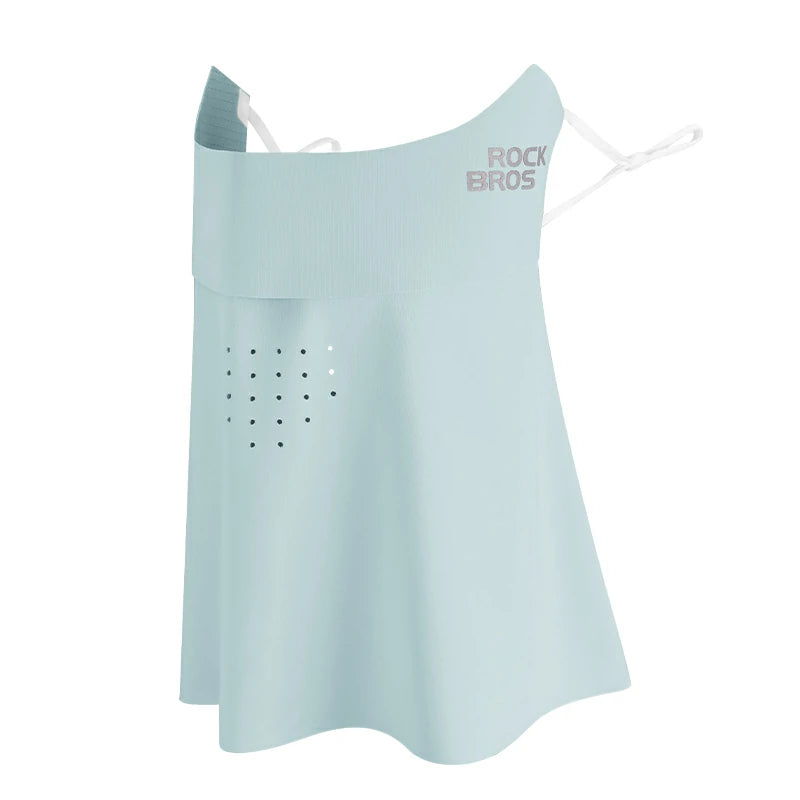
Don't forget your camera gear, but keep it manageable. A telephoto lens is excellent for wildlife, but remember that you will be carrying all your equipment on the trails. Insect repellent and a head net are highly recommended, as the Alaskan mosquitoes and 'no-see-ums' can be intense during the summer months. Finally, ensure all your food is stored in bear-resistant containers or the lockers provided by the park. Staying organized and prepared allows you to focus on the incredible scenery rather than physical discomfort. Always check the official NPS site for the most current list of recommended gear and prohibited items.
 Step 5
Navigating the Logistics and Costs
A trip to Katmai is a significant investment in both time and money. The average daily budget of $450 covers the essentials like bush plane transfers and basic lodging, but costs can vary based on how far in advance you book. There are no roads into the park, so every calorie and gallon of fuel must be flown in, which is reflected in the prices of meals and services.
To make the most of your budget, consider booking your air taxis as early as possible. If the lodge at Brooks Camp is full, many visitors stay in King Salmon and take daily flights into the park. While this adds to the flight time, it offers more flexibility for last-minute trips. Be sure to check the official NPS site for information on permit levels and any closures that might affect your itinerary. Whether you are a solo photographer or a family on an Alaskan adventure, the logistical effort is rewarded by the experience of standing in one of the world's last truly wild places.
Quick answers about Katmai National Park
How many days should a Katmai National Park itinerary be?
A 2–4 days itinerary covers the main sights without rushing.
Which airport should you fly into for Katmai National Park?
The closest airport is AKN, about 50 min away by car.
How much does a Katmai National Park trip cost?
Budget about $450 per person per day, excluding flights (a typical estimate; prices vary by season).
Airport car & SUV rentals

- ✓ Compare suppliers at AKN
- ✓ Free cancellation on many rates
Standard car rentals at AKN
Est. from $45/day · typical rate
Pick your dates and vehicle class.
Compare rates at AKN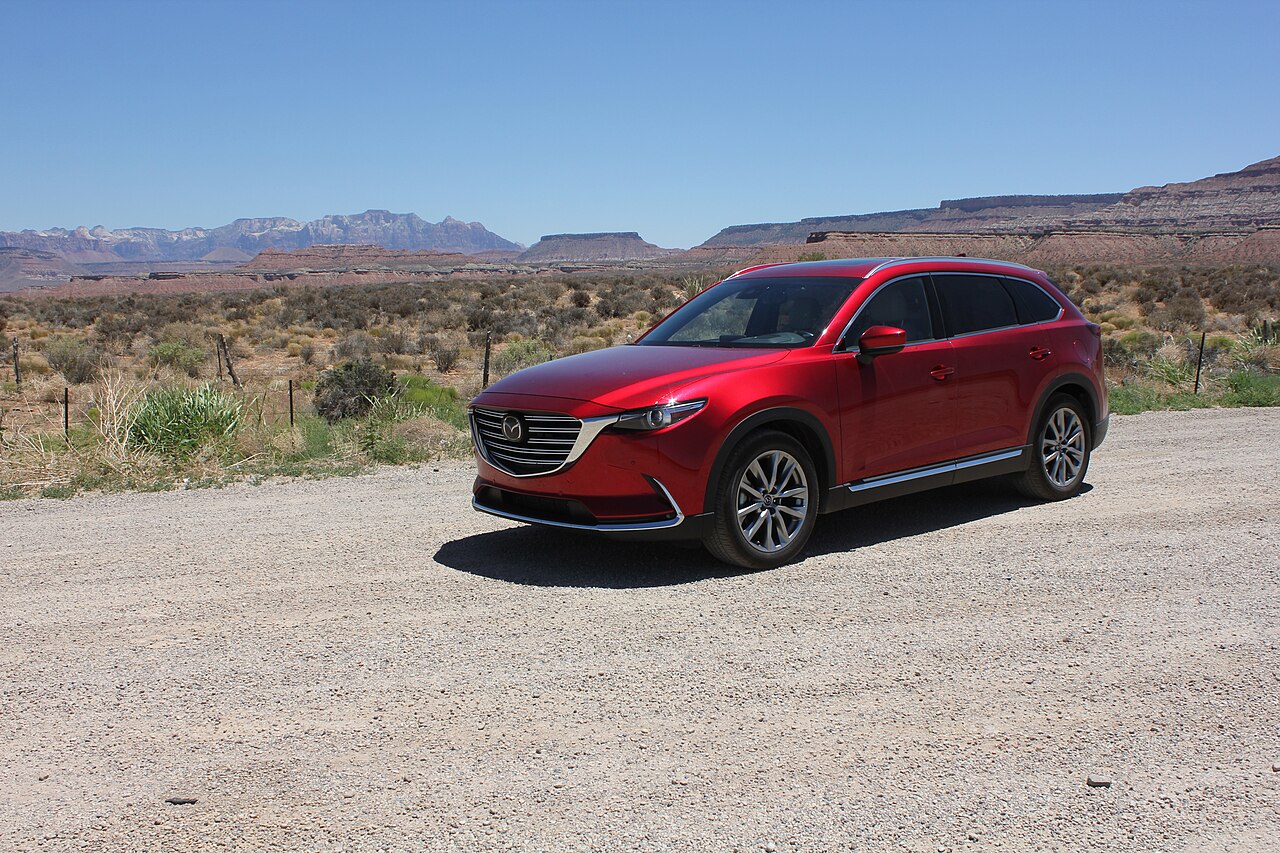
- ✓ Compare suppliers at AKN
- ✓ Free cancellation on many rates
SUV rentals at AKN
Est. from $55/day · typical rate
Pick your dates and vehicle class.
Compare rates at AKNViator
Tours & experiences near Katmai National Park
Explore guided activities around Katmai National Park. Check the meeting point, dates and availability on Viator before booking.
Open tour listings separately